


Listen to the article
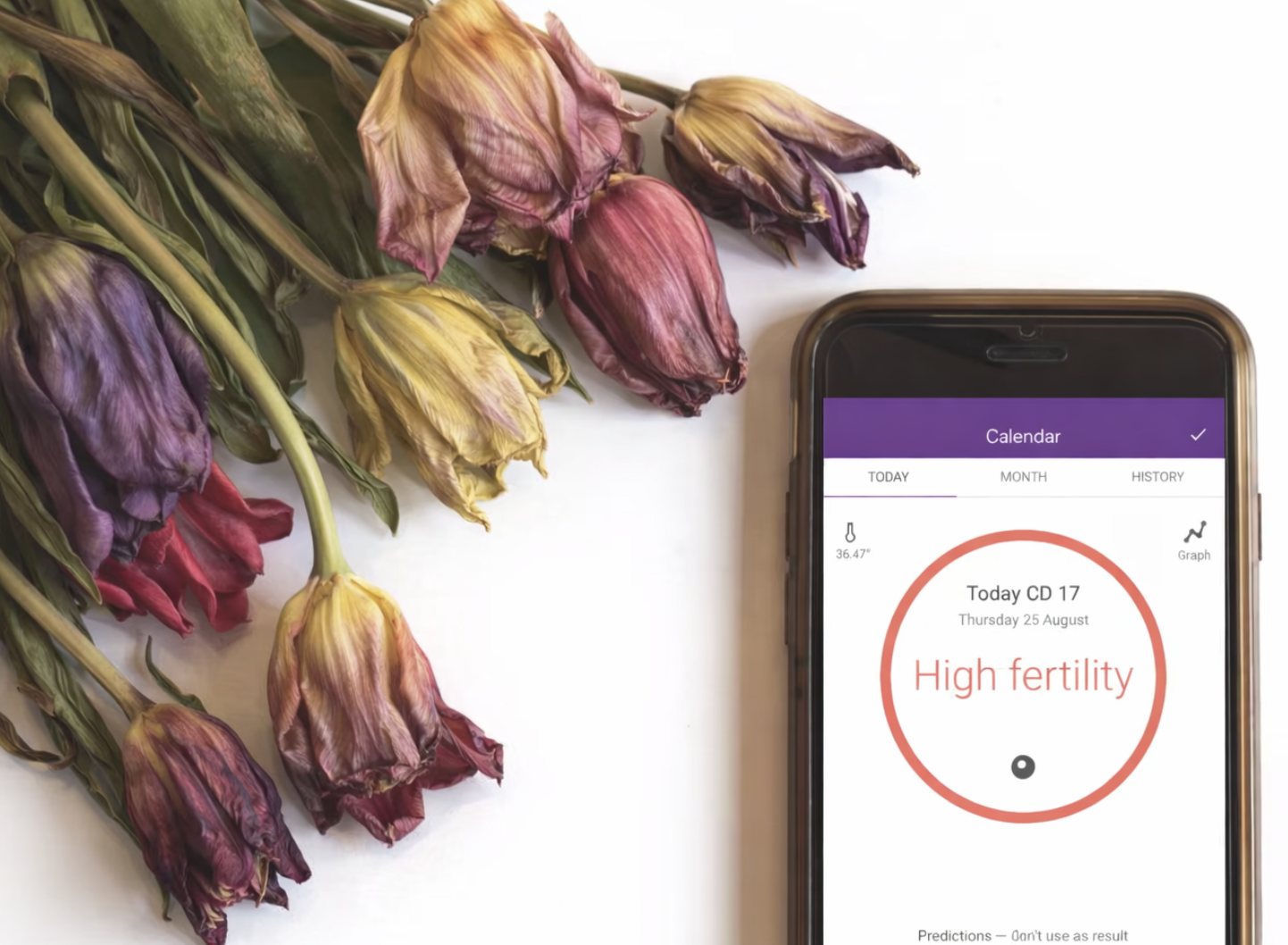
Over the past year, a concerning trend has emerged on social media platforms where wellness influencers promote “cycle tracking” – encouraging women to align their nutrition and workout routines with different phases of their menstrual cycle. This practice, which has gained significant traction among younger women, is increasingly being scrutinized by health professionals for spreading potentially harmful misinformation.
Influencers commonly advocate for modifying exercise intensity based on menstrual phases, suggesting lighter activities like pilates during the luteal phase and more intensive strength training during ovulation. These recommendations, however, have been largely debunked by scientific research. A recent study published in Science Daily concluded that there is insufficient evidence to support the need for such drastic lifestyle modifications based on cycle phases.
Public health experts worry that this trend reinforces the problematic notion that women’s bodies are somehow limiting or that menstruation should dictate life choices, potentially undermining decades of progress in women’s health education.
Of particular concern is the app “28,” which has received substantial funding from tech billionaire Peter Thiel. The application markets itself as offering cycle-based nutrition and workout plans specifically targeting women who wish to discontinue hormonal birth control. More alarmingly, it promotes the questionable premise that accurately tracking menstrual cycles can serve as effective natural contraception.
Dr. Sarah Langford, an OB-GYN at Northwestern Memorial Hospital who was not quoted in the original content, has spoken out about similar apps in recent interviews: “Natural family planning methods can be effective when used perfectly, but they require extraordinary discipline and understanding. Marketing them as simple alternatives to proven contraceptive methods is deeply irresponsible.”
The involvement of Thiel, a prominent tech investor known for data-centric ventures, raises significant privacy concerns. Critics point out the troubling implications of an application that collects intimate health data from women, particularly in states with restrictive abortion laws. The potential for such sensitive information to be commercialized, shared with third parties, or even subpoenaed in legal proceedings presents a genuine risk in the post-Roe landscape.
Digital privacy experts have repeatedly warned about the vulnerability of health data collected through unregulated wellness apps. Unlike information gathered by healthcare providers, which is protected under HIPAA regulations, data collected by lifestyle applications often falls into regulatory gray areas with minimal privacy protections.
Women’s health advocates express particular concern about the app’s marketing toward those discontinuing birth control. By encouraging users to abandon proven contraceptive methods in favor of cycle tracking, the app could potentially lead to unintended pregnancies. If users subsequently seek abortion care, the very data they’ve provided could theoretically be used against them in states with strict anti-abortion legislation.
This trend represents a broader pattern of health misinformation proliferating through social media channels, where medical advice often comes from influencers rather than healthcare professionals. The American College of Obstetricians and Gynecologists has emphasized the importance of consulting medical providers before making significant changes to contraceptive approaches.
As cycle tracking continues to gain popularity, health educators are working to counterbalance misinformation with evidence-based resources. They stress that while understanding one’s menstrual cycle can be empowering, it should not replace proven health practices or medical advice from qualified professionals.
Fact Checker
Verify the accuracy of this article using The Disinformation Commission analysis and real-time sources.

8 Comments
The app ’28’ and wellness influencers promoting these unproven ‘natural’ pregnancy prevention methods are worrying. Women deserve access to comprehensive, evidence-based reproductive health information, not potentially harmful fads.
Absolutely. Spreading misinformation about women’s health can have serious consequences. Health professionals should be the trusted voices on these sensitive topics, not social media influencers.
This is a concerning development. While individual choice is important, promoting unproven methods as alternatives to proven contraception could put women’s health at risk. Responsible public health education is crucial.
I agree. Spreading misinformation about reproductive health can have serious consequences, especially for younger women who may be more vulnerable to unsubstantiated claims on social media.
This trend of ‘cycle tracking’ seems concerning. While women’s bodies are complex, recommending major lifestyle changes based on menstrual phases lacks solid scientific evidence. Public health experts are right to worry about the potential harms of spreading this misinformation.
Agreed. Reinforcing the idea that women’s bodies are somehow limiting is deeply problematic and could undermine hard-won progress in women’s health education.
I’m curious to learn more about the specific findings from the recent study published in Science Daily. What were the key conclusions about the lack of evidence for drastic lifestyle changes based on menstrual cycle phases?
The problematic notion that women’s bodies are somehow limiting or that menstruation should dictate life choices is deeply troubling. We must remain vigilant against the spread of harmful misinformation that could undermine women’s health and autonomy.