


Listen to the article
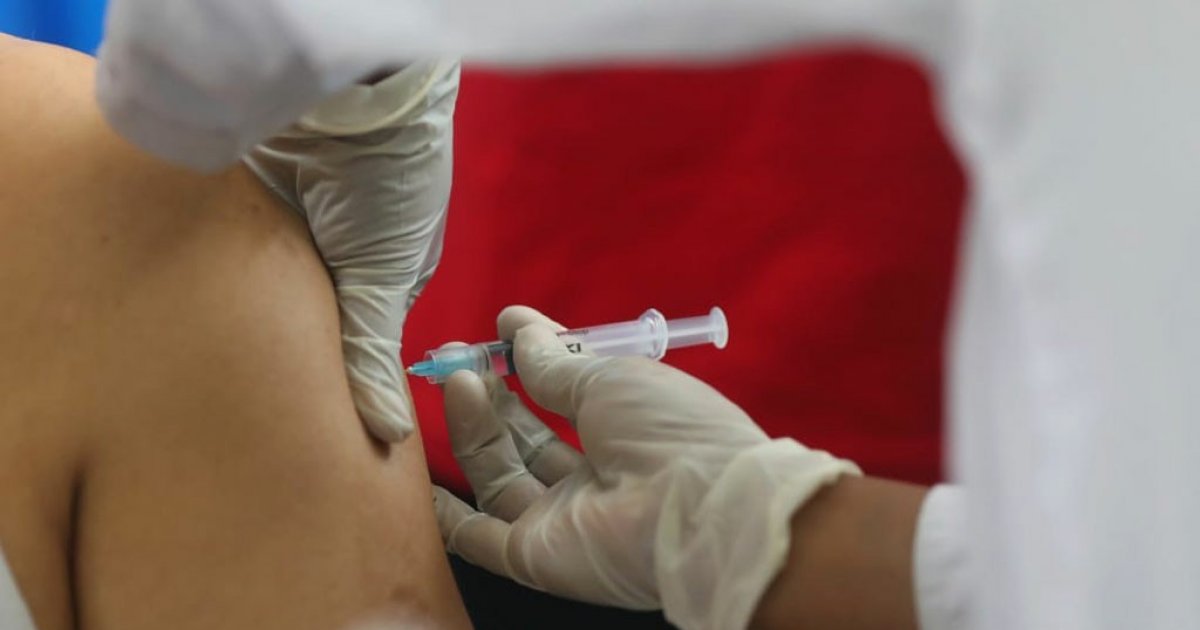
Bangladesh’s typhoid vaccination campaign faces an uphill battle against growing vaccine hesitancy, public health officials report. The nationwide initiative, considered one of the country’s most beneficial public health programs in recent years, now confronts skepticism fueled by misinformation that first gained traction during the COVID-19 pandemic.
Health authorities have expressed concern that the life-saving typhoid vaccination program could be undermined by parents’ reluctance to vaccinate their children, potentially leaving thousands vulnerable to this often deadly bacterial infection.
“What we’re seeing is the spillover effect of pandemic-era misinformation,” said Dr. Mahmuda Rahman, a public health specialist with Bangladesh’s Directorate General of Health Services. “Parents who were once confident in vaccinations are now questioning their safety and efficacy, which puts our children at serious risk.”
Typhoid fever, caused by Salmonella Typhi bacteria, remains endemic in Bangladesh, where contaminated water and poor sanitation contribute to its spread. The disease can cause high fever, fatigue, headache, and in severe cases, intestinal perforation and death. Children are particularly vulnerable.
The current vaccination campaign has received backing from several international health organizations, including the World Health Organization and Gavi, the Vaccine Alliance. These partnerships have helped ensure the quality and safety of vaccines being administered throughout the country, officials emphasize.
Bangladesh has historically achieved remarkable success in immunization programs. The country was declared polio-free in 2014 following extensive vaccination campaigns and has made significant progress in reducing measles, tetanus, and other preventable diseases. Health officials worry that growing vaccine hesitancy could reverse these hard-won public health victories.
“We cannot allow misinformation to derail our progress,” said Health Minister Zahid Maleque at a recent press briefing in Dhaka. “These vaccines save lives, and we have decades of evidence proving their safety and effectiveness.”
Local health workers report encountering increasing resistance in communities where social media has amplified false claims about vaccine ingredients and side effects. In response, health authorities have launched educational initiatives targeting parents and community leaders.
These awareness campaigns focus on communicating the proven benefits of vaccination while addressing common misconceptions. Health workers are being deployed to communities across the country to speak directly with families and answer questions about the typhoid vaccine.
“We’ve found that personal connections make a difference,” explained Fatima Begum, a community health worker in Chittagong District. “When parents can ask questions and get honest answers from someone they trust, they’re more likely to choose vaccination for their children.”
Public health experts suggest that combating vaccine hesitancy requires a multi-faceted approach. Beyond education, they recommend enlisting religious and community leaders to advocate for vaccination and creating more transparent communication about the vaccine development and testing process.
The stakes are particularly high in densely populated urban areas and rural communities with limited access to clean water, where typhoid outbreaks can spread rapidly. Health economists estimate that each dollar invested in typhoid vaccination saves approximately fifteen dollars in treatment costs and productivity losses.
“This isn’t just about individual health choices—it’s about protecting our entire society,” noted Dr. Rahman. “When vaccination rates fall below a certain threshold, we lose the community protection that keeps even unvaccinated individuals safer.”
As the campaign continues, health officials remain cautiously optimistic that with persistent education efforts and community engagement, they can overcome the barriers of misinformation and ensure that Bangladesh’s children receive protection against this preventable disease.
“The future health of our country depends on our ability to maintain high vaccination rates,” said Minister Maleque. “We cannot allow fear and misinformation to undermine decades of progress in public health.”
Fact Checker
Verify the accuracy of this article using The Disinformation Commission analysis and real-time sources.

13 Comments
It’s unfortunate that vaccine misinformation is undermining important public health initiatives like the typhoid vaccination campaign in Bangladesh. Science and facts should guide these decisions, not unfounded fears.
The potential impact of vaccine hesitancy on life-saving public health programs like the typhoid vaccination campaign in Bangladesh is very concerning. It’s crucial that public health decisions are guided by science and facts, not misinformation.
Agreed. Restoring confidence in these critical vaccination initiatives will require a concerted effort to combat misinformation and educate the public on the proven safety and efficacy of these vaccines.
Typhoid fever is a serious and deadly disease, so it’s concerning to hear about growing vaccine hesitancy in Bangladesh. Vaccination campaigns are crucial to protecting children and public health.
You’re right, the spillover of pandemic misinformation is worrying. Public health authorities will need to work hard to restore confidence in these vital vaccination programs.
Vaccine hesitancy is a concerning trend, and it’s worrying to hear about its impact on life-saving programs like the typhoid vaccination campaign in Bangladesh. We must rely on science to guide public health decisions.
Vaccine hesitancy is a complex issue, but when it comes to protecting children from deadly diseases like typhoid fever, the benefits of vaccination clearly outweigh any unfounded concerns. I hope the authorities in Bangladesh can find effective ways to address this challenge.
Maintaining high vaccination rates is so important, especially in areas where diseases like typhoid fever remain endemic. I hope the authorities in Bangladesh can effectively address the concerns driving this vaccine hesitancy.
Yes, the potential risks of not vaccinating children against typhoid far outweigh any unsubstantiated fears. Public education will be key to combating misinformation and restoring confidence.
While vaccine hesitancy is understandable, we must rely on science and facts to guide public health decisions. The benefits of life-saving vaccines far outweigh the risks, especially for vulnerable populations like children in Bangladesh.
Absolutely. Misinformation can be very harmful, especially when it comes to critical public health programs. Education and open dialogue are key to addressing vaccine hesitancy.
It’s really unfortunate to see vaccine hesitancy undermining critical public health initiatives, like the typhoid vaccination program in Bangladesh. Combating misinformation and restoring confidence in these proven, safe vaccines should be a top priority.
Absolutely. Vaccination campaigns are essential to protecting vulnerable populations, especially children, from deadly diseases. Public health authorities will need to work hard to address the concerns driving this hesitancy.