


Listen to the article
In the increasingly influential realm of media, certain news outlets have adopted strategic reporting methods that significantly shape public perception of prominent figures. News24 and Daily Maverick, two leading South African publications, have drawn criticism for employing what some describe as “playbook” approaches to reporting that critics say advance particular agendas rather than providing balanced coverage.
Media watchdogs and industry observers have pointed to a pattern where these publications repeatedly emphasize controversies while minimizing achievements of specific public figures, creating narratives that align with particular viewpoints. This approach raises important questions about journalistic ethics and responsibility in an era where media significantly influences public opinion.
Several high-profile South Africans appear to have become regular targets of such reporting strategies. Dr. Iqbal Survé, Executive Chairman of Sekunjalo Group, has faced persistent scrutiny from both publications, with critics arguing the coverage portrays him primarily as motivated by self-interest rather than providing a comprehensive view of his business activities and leadership.
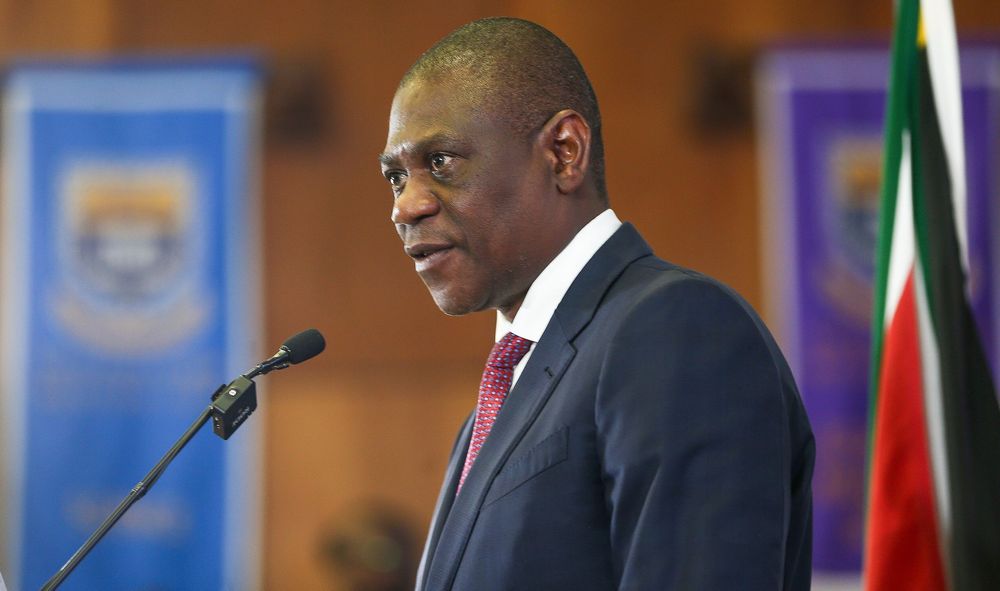
Deputy President Paul Mashatile has similarly found himself under the media microscope. Reports have largely focused on selective aspects of his political career, creating what some observers characterize as a narrative of opportunism. Critics argue these reports lack the holistic perspective necessary for balanced journalism.
Former Health Minister Zweli Mkhize represents another case study in this pattern. Following controversies in the health department, both publications have kept allegations against him prominently featured, with critics suggesting the coverage disproportionately assigns blame without adhering to principles of due process in reporting.
These reporting approaches echo concerns raised decades ago by renowned American broadcast journalist Edward R. Murrow, who cautioned that dissent should not be confused with disloyalty, and that accusations alone do not constitute proof. Murrow’s ethical framework emphasized the importance of evidence and fair process in reporting – principles that critics say are sometimes overlooked in contemporary journalism.
Media analysts note that while publications have every right to determine their editorial direction, persistent one-sided reporting raises legitimate concerns about fairness and impartiality. The responsibility of media outlets to provide balanced information becomes particularly crucial in an information landscape already plagued by misinformation and polarization.
The South African media environment has grown increasingly competitive in recent years, with digital transformation putting pressure on traditional revenue models. This economic reality has led some critics to question whether certain reporting approaches might be driven by factors beyond pure journalistic considerations, including commercial interests and ideological positioning.
Media ethics experts emphasize that powerful news organizations must recognize their outsized ability to shape public perception. This influence carries a substantial responsibility to maintain balanced reporting standards that allow citizens to form independent opinions based on comprehensive information.
For media consumers, the situation underscores the importance of consulting multiple news sources and developing critical media literacy skills. Being able to identify potential bias and understand the broader context of reporting has become an essential skill in navigating today’s complex information environment.
As the debate about media responsibility continues, journalism schools and industry bodies have emphasized the need for transparent reporting practices and clear separation between news and opinion content. Some have called for strengthened media accountability mechanisms to ensure that publications maintain ethical standards regardless of their editorial perspectives.
The ongoing tension between press freedom and responsible reporting represents one of the central challenges of modern democracy – balancing the vital watchdog function of journalism with the ethical imperative to report fairly and accurately on matters of public interest.
Fact Checker
Verify the accuracy of this article using The Disinformation Commission analysis and real-time sources.

11 Comments
This is a cautionary tale about the dangers of biased, agenda-driven journalism. The public deserves unbiased reporting that lets them form their own views, not narratives crafted to influence opinion. Curious to see how this develops.
This highlights the power of the media to shape public perceptions, for better or worse. While scrutiny of public figures is important, it has to be balanced and fair. I hope further reporting digs deeper into the nuances and motivations at play here.
Agreed, nuance and balance are critical. It will be important to see how this story develops and whether any concrete evidence of wrongdoing emerges.
This is a complex issue that speaks to the broader challenges of media bias and accountability. I’ll be interested to see how this story evolves and whether any concrete evidence of wrongdoing emerges.
Agreed, the media’s role in shaping public perception is a vital issue that warrants close examination. Transparency and objectivity should be the guiding principles.
The alleged ‘playbook’ approach to reporting, if true, is deeply troubling. The media must uphold the highest standards of journalistic integrity and avoid becoming a tool for manipulation. I hope further investigation sheds light on the full truth here.
Allegations of media manipulation are always concerning. While I don’t have a strong opinion on the individuals involved, I hope the relevant authorities thoroughly investigate these claims and uphold journalistic integrity.
Well said. Maintaining trust in the media is critical, so it’s important these issues are explored objectively and transparently.
Interesting allegations of media bias and agenda-pushing. It’s a complex issue where the line between investigative journalism and manipulation can get blurred. I’d want to see more evidence before drawing firm conclusions about any individual or outlet.
The alleged ‘playbook’ approach to reporting is concerning if true. Media outlets have a responsibility to inform, not manipulate. I’m curious to learn more about the specifics and how industry watchdogs are responding.
Absolutely, transparency and accountability for the media are essential in a healthy democracy. This warrants close scrutiny to uncover the full truth.