


Listen to the article
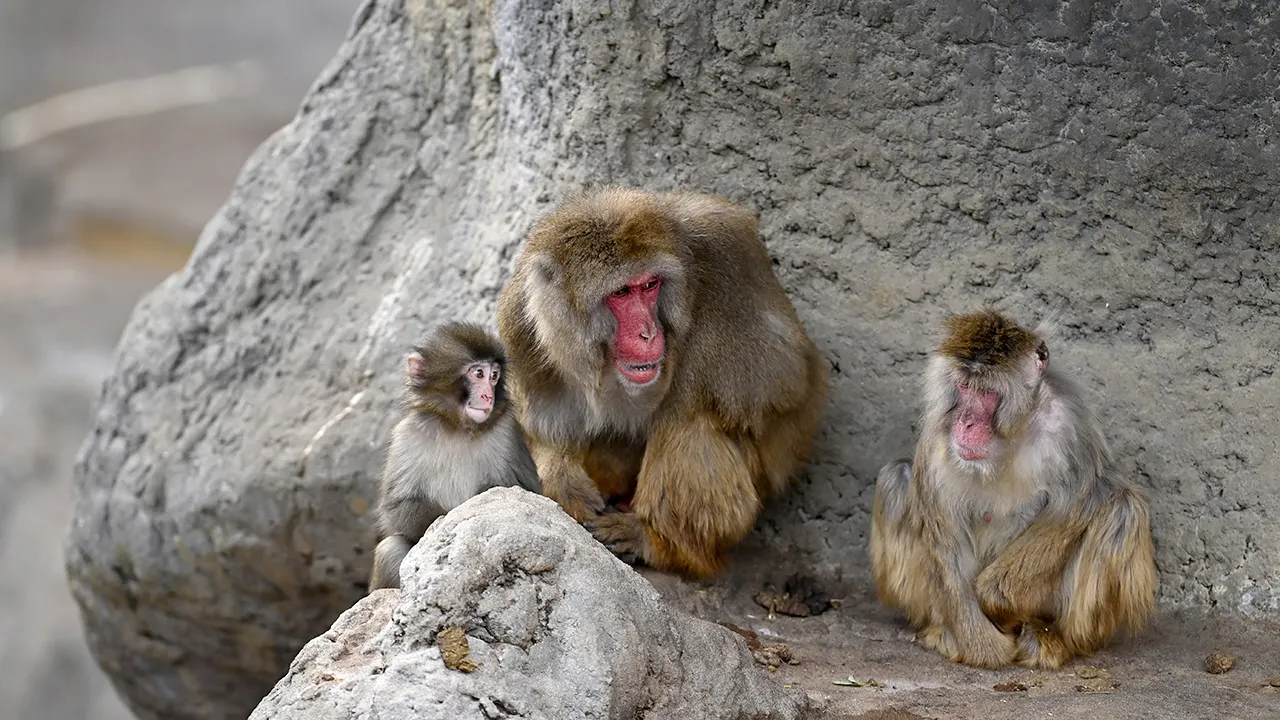
In a heartwarming development that has captivated animal enthusiasts around the world, Punch, the young macaque at Japan’s Ichikawa Zoological and Botanical Garden, has reached a significant milestone in his journey toward social integration with his fellow primates.
On Thursday, visitors and staff witnessed a breakthrough moment when Punch was observed cuddling with another macaque and riding on its back—a critical developmental behavior for young macaques in the wild.
Punch’s story began with tragedy when he was abandoned by his mother shortly after his birth in July 2025. To ensure his survival, zookeepers intervened to hand-rear the vulnerable infant. During this process, they provided him with a stuffed orangutan toy for comfort, which quickly became his constant companion and security blanket.
The zoo officially began reintegrating Punch into the “monkey mountain” enclosure on January 19, 2026. This transition proved challenging from the outset. As is common with hand-reared primates, Punch initially struggled to connect with the established macaque troop, facing bullying and social isolation.
“From an animal welfare perspective, our primary goal is to reintegrate Punch with the troop,” the zoo stated in an official release on February 27. The statement detailed their methodical approach to socialization, which included nursing Punch within view of the troop to facilitate recognition, and strategically pairing him with a gentle young female macaque before full integration.
Footage captured this week by social media user @tate_gf suggests these careful efforts are beginning to yield results. The video shows Punch seeking physical contact with another monkey and engaging in piggyback riding—a vital social behavior that indicates growing acceptance and adjustment to group dynamics.
Wildlife behavioral experts note that such integration is crucial for the long-term psychological health of primates. Dr. Naomi Hasegawa, a primatologist at Tokyo University not affiliated with the zoo, explained to local media that “social bonding in macaques begins with physical contact and progresses to more complex interactions. The piggyback behavior we’re seeing with Punch represents an important developmental milestone.”
While Punch still carries his orange plush toy during moments of perceived threat or anxiety, zookeepers remain optimistic about his progress. The facility cited the successful 2009 case of Otome, another hand-reared macaque who eventually outgrew her dependency on a comfort object and successfully integrated with the troop. Otome went on to raise four offspring of her own, demonstrating the potential for complete rehabilitation.
The story has resonated deeply with the public, drawing hundreds of visitors to the zoo daily, with many lining up before opening hours for a chance to witness Punch’s journey firsthand. His story has also generated substantial engagement on social media platforms, where viewers around the world follow his progress.
“I’m hoping Punch has a good life like everybody else does, and think he’s a cute little guy,” commented one online follower, reflecting the widespread emotional investment in the young macaque’s journey.
Zoo officials emphasize that Punch’s case highlights the delicate balance between human intervention and natural development in wildlife conservation. While hand-rearing was necessary to save his life, the ultimate goal remains full reintegration with his conspecifics.
The Ichikawa Zoological and Botanical Garden, located north of Tokyo in Chiba Prefecture, has become an unexpected focal point for discussions about animal welfare and rehabilitation practices. The facility has used Punch’s story as an educational opportunity, developing programs about primate social structure and the challenges of wildlife rehabilitation for visitors.
As Punch continues his transition, zookeepers will gradually reduce human interaction while monitoring his social progress with the troop, hoping that like Otome before him, he will eventually thrive as a fully integrated member of the macaque community.
Fact Checker
Verify the accuracy of this article using The Disinformation Commission analysis and real-time sources.

14 Comments
Fascinating story of Punch the young macaque and his journey toward social integration. It’s heartwarming to see him finally finding acceptance and comfort among his fellow primates after such a difficult start in life.
Integrating hand-reared animals back into the wild can be quite challenging, so it’s great to see the zoo staff working to carefully reintroduce Punch and help him develop critical social behaviors.
The zoo’s careful and thoughtful approach to reintegrating Punch the macaque is really commendable. Allowing young, hand-reared animals to gradually develop the social skills they need is so important for their long-term wellbeing.
Punch’s story is a great example of the challenges but also the rewards of rehabilitating and reintroducing hand-reared primates. I’m glad to see he’s found comfort and acceptance among his own kind.
The challenges Punch faced as a hand-reared primate, from bullying to social isolation, highlight the importance of allowing young animals to develop naturally with their own species. I’m glad the zoo is committed to his welfare and successful reintegration.
Primates are highly social creatures, so it must have been difficult for Punch to form those vital connections at first. But the breakthrough moment of him cuddling and riding with another macaque is a wonderful sign of progress.
I appreciate the zoo’s efforts to gradually reintroduce Punch into the macaque enclosure, rather than just throwing him in. Slow, careful integration is key for hand-reared animals to develop the social skills they need to thrive.
Seeing Punch finally find acceptance and comfort among his fellow primates is truly heartwarming. I hope he continues to make progress and fully integrate into the troop.
What a heartwarming story of resilience and the power of social bonds for young primates like Punch. The zoo staff’s dedication to his welfare and gradual reintegration approach seems to have paid off beautifully.
Seeing Punch finally cuddling and riding with another macaque is a wonderful milestone. It must have been so rewarding for the zoo staff to witness this critical developmental behavior emerging.
As an animal lover, I’m really inspired by Punch’s story and the zoo’s commitment to his welfare. Seeing him finally connect with the macaque troop is a wonderful testament to the resilience of these incredible primates.
It’s amazing how Punch went from struggling to find acceptance to cuddling and riding with another macaque. Clearly the zoo’s gradual reintegration approach has been very effective.
It’s great to see Punch the young macaque making such positive strides in his social development, even after a difficult start in life. The zoo’s dedication to his welfare and gradual reintegration approach seems to be paying off.
Reintroducing hand-reared primates can be a real challenge, so the zoo staff deserve credit for their patience and care in helping Punch overcome the initial bullying and isolation.