


Listen to the article
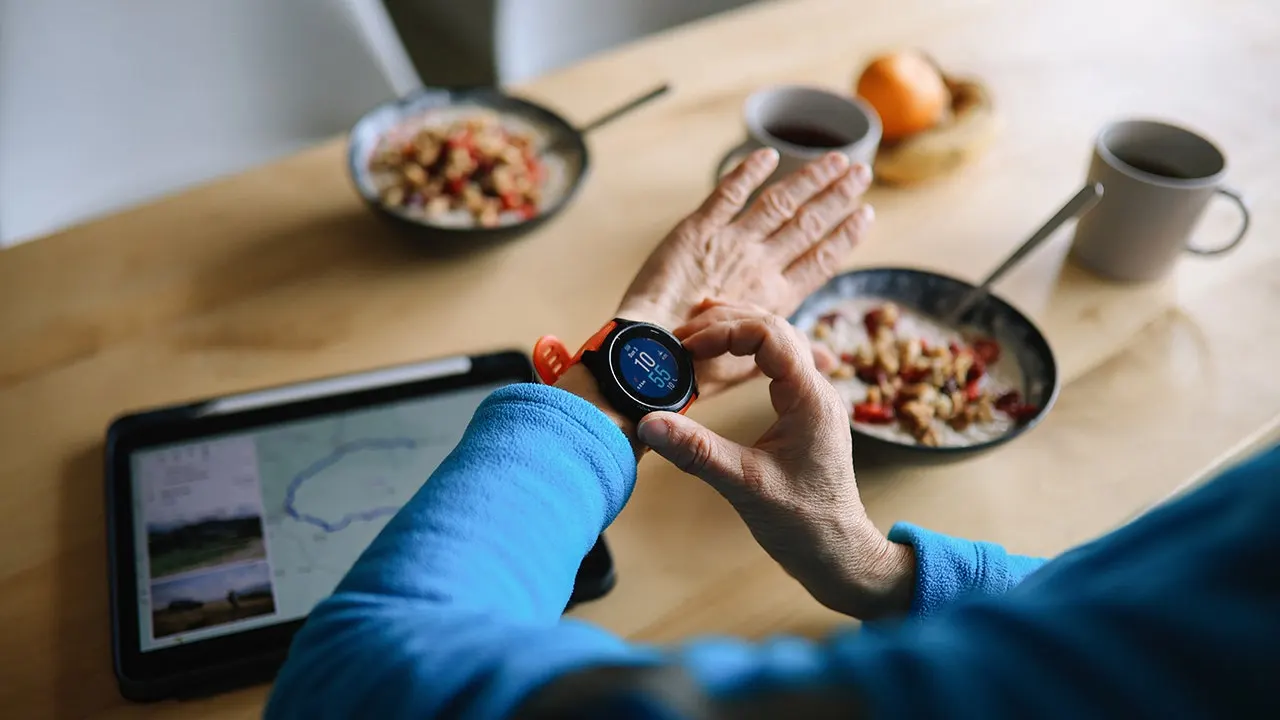
From sleep tracking to real-time health monitoring, wearable technology is revolutionizing how individuals track their wellness metrics. These devices, which include smartwatches and rings, have grown beyond simple step counters to become sophisticated health management tools that monitor everything from heart rhythms to stress levels.
Fox News’ Brian Kilmeade recently demonstrated the capabilities of an Oura ring on “Fox & Friends,” providing viewers with a real-world example of how these devices function throughout a demanding workday. Despite getting only four hours of sleep, Kilmeade reported feeling surprisingly alert, noting that his device showed he had achieved 14% REM sleep and over 20% deep sleep.
“Feeling pretty good, I feel pretty fresh,” Kilmeade remarked during his early morning broadcast, sharing the sleep statistics directly from his wearable device.
Throughout his workday, the ring continued to gather physiological data, documenting how his body responded to various activities and environments. The device registered subtle changes in stress levels during his live television broadcast and tracked his activity as he moved between commitments.
“You see the stress level spike just a little bit,” Kilmeade noted as he observed the data in real time. “As I make my way over to radio, my activity is going to pick up.”
By day’s end, after a trip to West Point and several hours of travel, the wearable provided a comprehensive summary of Kilmeade’s physiological responses, activity levels, and heart rate patterns.
Dr. Craig Basman, a New Jersey cardiologist, joined the program to analyze Kilmeade’s data and discuss the broader implications of wearable health technology. His first observation addressed the obvious: “I don’t think you have to be a cardiologist to diagnose him with suboptimal sleep,” he said, highlighting the device’s ability to quantify what many might already subjectively know about their sleep habits.
More significantly, Dr. Basman emphasized how these devices are transforming preventative healthcare. “These wearable devices are changing the landscape of cardiology,” he explained. “The future is bright, not just for preventative care but also screening and detection of actual cardiovascular pathology.”
The medical value of wearables extends beyond mere convenience. According to Basman, there is “robust data” supporting the accuracy of metrics like resting heart rate and heart rate variability. Some devices can even detect serious cardiac conditions such as atrial fibrillation – a common heart rhythm disorder affecting millions of Americans that often remains undiagnosed during routine physical examinations.
The market for these devices continues to expand as consumers increasingly prioritize proactive health management. The wearable health technology industry has seen dramatic growth over the past five years, with companies like Oura, Apple, Garmin, and Fitbit competing to offer the most comprehensive health monitoring features.
For younger users, these tools serve as “great primary prevention” resources, according to Dr. Basman. He noted that arterial plaque development can begin as early as one’s twenties or thirties, making early awareness of cardiovascular health metrics potentially valuable.
For older populations, wearable technology functions more as a “screening tool for actual existing cardiac pathology,” offering continuous monitoring that traditional medical appointments cannot provide.
However, Dr. Basman emphasized that gathering data is only valuable when it drives positive behavior change. He cautioned that he wouldn’t recommend these detection tools unless users are “going to do something about it” – suggesting that the metrics should serve as catalysts for healthier lifestyle choices.
While wearable technology offers promising capabilities for health monitoring, medical professionals stress that these devices should complement rather than replace professional healthcare. Anyone concerned about data from their wearable device should consult with their physician for proper medical guidance and interpretation.
As the technology continues to advance, the integration of artificial intelligence and increasingly sophisticated sensors promises to further expand the role these devices play in preventative healthcare and chronic disease management.
Fact Checker
Verify the accuracy of this article using The Disinformation Commission analysis and real-time sources.

11 Comments
Impressive that the wearable was able to track Kilmeade’s sleep quality and stress levels throughout his busy day. It will be interesting to see how doctors and patients utilize this type of data to optimize health and well-being.
I agree, the real-time health monitoring capabilities of these devices are quite remarkable. It opens up new avenues for proactive healthcare.
The ability of wearables to detect subtle physiological changes is really promising for early diagnosis of heart problems and other conditions. This technology could have a significant impact on preventative healthcare.
The sleep tracking capabilities of these wearables are quite impressive. Monitoring REM and deep sleep stages could help people better understand and optimize their sleep patterns.
Yes, the sleep data provides a valuable window into overall health and wellness. Leveraging this information could lead to significant improvements in sleep quality and daytime functioning.
Wearable health tech is an intriguing field with a lot of potential. I’m eager to see how doctors and researchers continue to explore the applications of this data to drive advancements in preventative care.
While wearables show a lot of promise, I’m curious about the accuracy and reliability of the data they collect. It will be important for doctors to carefully evaluate the evidence as this technology continues to evolve.
While the potential of wearables is exciting, I wonder about the privacy and data security implications. Ensuring the proper safeguards are in place will be critical as this technology becomes more widespread.
Wearable health tech is really fascinating. I’m curious to see how these devices continue to evolve and provide earlier detection of potential health issues. Seems like they could be a valuable tool for preventative care.
Interesting to see how wearables are being used to monitor health in real-world situations like a demanding workday. This kind of data could provide valuable insights for both individuals and healthcare providers.
Absolutely, the ability to track physiological responses to different environments and activities is really fascinating. It opens up new possibilities for personalized healthcare.