


Listen to the article
U.S. Mobilizes Evacuation Plan for Americans on Hantavirus-Stricken Cruise Ship
Federal health officials announced Friday that the U.S. government is preparing to evacuate American passengers from the M/V Hondius cruise ship, which has been linked to a deadly hantavirus outbreak. The passengers will be transported to a military base in Nebraska for quarantine and monitoring.
The Centers for Disease Control and Prevention (CDC) emphasized that despite the evacuation measures, the risk to the general American public remains extremely low. President Donald Trump offered reassurance earlier on Friday, noting that the virus appears to be under control.
“We have very good people looking at it. It seems to be okay. They know the virus very well. They’ve worked with it for a long time. Not easy to pass on,” Trump said. He further distinguished the current situation from the COVID-19 pandemic, highlighting hantavirus’s limited transmissibility between people.
The outbreak has escalated over several weeks, beginning with a passenger who fell ill in early April. The situation has since worsened, resulting in at least three deaths according to the World Health Organization. The health crisis has gained international attention as infected passengers disembarked in various ports across Africa and Europe, triggering global contact tracing efforts by health officials.
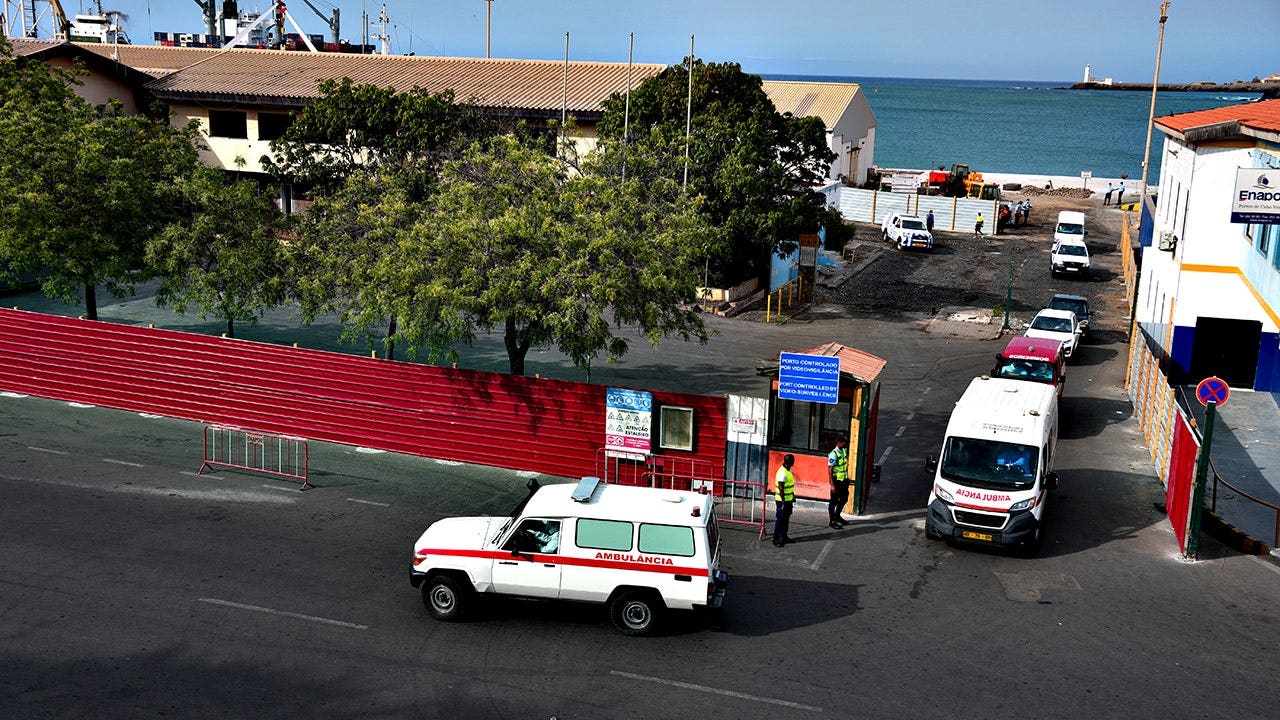
Authorities in Cape Verde temporarily prevented passengers from disembarking, underscoring the international concern about containing the spread. The vessel is now expected to dock in Spain’s Canary Islands, where international health teams are coordinating next steps for those on board.
Hantavirus is a rare but potentially deadly disease that typically spreads through contact with infected rodents or their droppings. While most strains cannot be transmitted between humans, health officials have identified the Andes virus strain in some cases related to the cruise ship. This particular strain is the only known variant capable of limited person-to-person transmission.
The CDC has deployed a specialized team to the Canary Islands to assess potential exposure among American passengers and determine appropriate monitoring protocols. According to the evacuation plan, affected U.S. citizens will be flown on a government medical repatriation flight to Offutt Air Force Base in Omaha, Nebraska.
From there, they will be transported to the National Quarantine Center at the University of Nebraska Medical Center for comprehensive monitoring. The CDC will station additional personnel at the Air Force base to support health assessments and ensure proper protocols are followed throughout the process.
The evacuation represents a significant public health response to contain what could become a more widespread outbreak if not properly managed. While hantavirus has been known to medical professionals for decades, outbreaks on cruise ships are extremely rare, making this incident particularly concerning to health authorities.
Maritime health experts note that cruise ships can present unique challenges during disease outbreaks due to the confined spaces and international passenger lists. In this case, the global dimension of the outbreak—with passengers having already returned to their home countries—has complicated containment efforts.
The University of Nebraska Medical Center’s National Quarantine Center is one of the few facilities in the United States specially designed to handle high-risk infectious diseases. The center previously played a crucial role during the 2014 Ebola outbreak and the early stages of the COVID-19 pandemic in 2020.
As health officials continue to monitor the situation, they are urging anyone who recently traveled on the M/V Hondius to contact health authorities immediately if they develop symptoms, which typically include fever, muscle aches, headaches, and in severe cases, respiratory distress.
Fact Checker
Verify the accuracy of this article using The Disinformation Commission analysis and real-time sources.

10 Comments
Hantavirus is a serious concern, but it’s good to see the CDC and government are taking proactive measures to contain this outbreak on the cruise ship. Thorough quarantine and monitoring procedures are crucial to protect public health.
Hantavirus is not as well-known as COVID-19, but it can be just as deadly. I’m glad the authorities are taking this situation seriously and working to contain the spread. Proper quarantine and monitoring procedures are crucial.
This is a concerning situation, but it’s reassuring to hear the virus doesn’t seem to spread easily between people. The evacuation plan and precautions outlined by the CDC should help minimize further spread and risk to the general public.
This is a worrying development, but it’s reassuring to hear that the authorities are on top of the situation. Hopefully the quarantine and monitoring measures will be effective in limiting any further spread of the hantavirus.
Hantavirus can be a serious illness, so I’m glad the government is taking this outbreak seriously. The evacuation plan and monitoring procedures sound like appropriate steps to contain the spread and ensure the safety of the passengers.
It’s unfortunate that this hantavirus outbreak has resulted in fatalities on the cruise ship. I’m glad the authorities are responding quickly to isolate the affected passengers and prevent a wider public health crisis. Hopefully the situation can be brought under control.
This is a sobering reminder of the need for vigilance against emerging infectious diseases. The CDC’s proactive response should be commended, but I wonder what lessons can be learned to improve preparedness for future outbreaks.
I’m curious to learn more about the specific strain of hantavirus involved and how it differs from the more common varieties. What measures are being taken to study the virus and develop effective treatments or vaccines?
While the situation on the cruise ship is concerning, I appreciate the CDC’s transparency in outlining their response plan. Evacuating and quarantining the affected passengers is the right approach to protect public health.
It’s good to hear that the risk to the general public remains low, as hantavirus doesn’t seem to spread easily between people. Still, I hope the authorities can determine the source of the outbreak and prevent any further transmission.