


Listen to the article
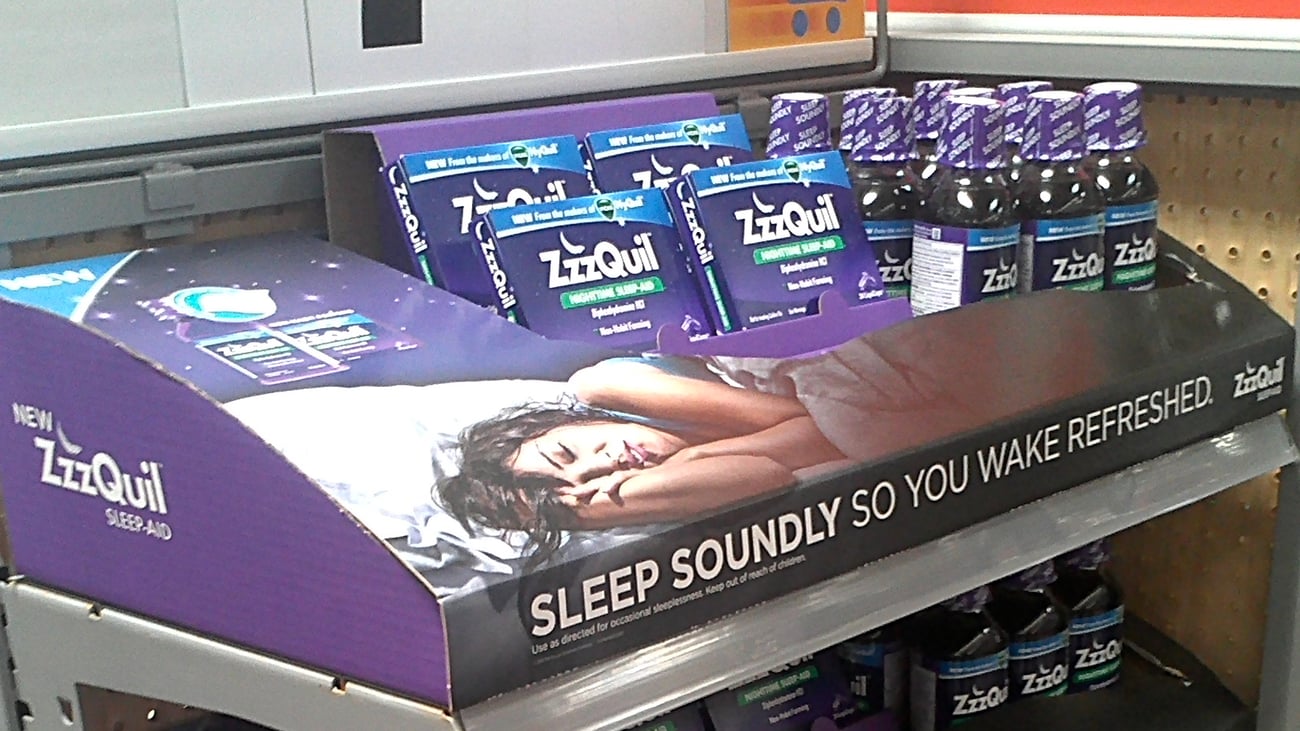
A federal judge in San Diego has allowed a consumer class action lawsuit against Procter & Gamble to move forward, challenging the company’s claims that its sleep aid gummies help users “fall asleep naturally.”
U.S. District Judge Todd Robinson ruled that portions of the lawsuit, which alleges misleading labeling on “ZzzQuil Pure Zzzs” gummies, can proceed. The case centers on consumer confusion about what “naturally” implies when it appears on product packaging containing synthetic ingredients.
Lead plaintiff Valerie Perkins filed the lawsuit claiming that the product labels were false and misleading because they would lead reasonable consumers to believe the sleep aids contained natural, not synthetic, ingredients.
The judge, a Trump appointee, found it plausible that consumers could interpret the term “naturally” to suggest the product does not contain synthetic ingredients. “The court finds the products’ front labels are — for purposes of the pleading stage — ambiguous because reasonable consumers would necessarily require more information before they could reasonably conclude whether the Products contain ‘natural’ instead of synthetic melatonin,” Robinson wrote in his decision.
At the heart of the dispute is the melatonin used in the gummies. While melatonin is a hormone naturally produced by humans, most supplements, including those in ZzzQuil’s product, contain synthetic melatonin created in laboratories. According to the University of California Davis Health, the vast majority of melatonin supplements on the market use this synthetic version.
Procter & Gamble defended its labeling by arguing that reasonable consumers would understand that melatonin in supplements isn’t extracted from humans or animals and must therefore be artificially produced. However, Judge Robinson was unconvinced by this reasoning.
The plaintiffs pointed out that plant-based phytomelatonin, which is extracted from natural sources rather than synthesized in a laboratory, is available in consumer products. While P&G argued that even plant-based hormones aren’t extracted in a truly natural way, Robinson distinguished between the processes.
“The primary distinction between these processes is that the former involves extracting already-made melatonin from a natural source (e.g., a plant or plant derivative), whereas the latter involves combining materials to create melatonin,” the judge explained. “In extraction, melatonin is both a starting material and the end product. But in chemical synthesis, melatonin is only the end product.”
Procter & Gamble also attempted to argue that consumers use the significant price difference between synthetic melatonin and phytomelatonin products to distinguish between them. The judge rejected this argument as well.
“If defendant does not understand the distinction between the extraction of melatonin from plants and the chemical synthesis of melatonin, the court is not persuaded that a reasonable consumer would understand that distinction, either,” Robinson wrote.
While the consumer deception claims will move forward, the judge did dismiss a portion of the lawsuit seeking injunctive relief that would have required additional disclosures about the products. Robinson reasoned that since the plaintiff is now aware of the synthetic nature of the melatonin and the intended meaning of “helps you fall asleep naturally,” she could not be misled in the same way in the future.
The case highlights ongoing scrutiny of “natural” claims in consumer products, a term that remains largely unregulated by the FDA in many contexts. Consumer advocacy groups have long called for stricter standards regarding natural labeling, particularly as demand for natural products continues to grow in health, beauty, and supplement markets.
This lawsuit joins numerous other class actions targeting major companies for potentially misleading “natural” claims, reflecting increasing consumer sensitivity about ingredient transparency and growing expectations for clarity in product marketing.
Fact Checker
Verify the accuracy of this article using The Disinformation Commission analysis and real-time sources.

8 Comments
Interesting to see the claims around ZzzQuil’s melatonin gummies. Consumers should be able to trust that labeling is accurate, especially for sleep aids. Curious to see how this lawsuit plays out and if it leads to more transparency around synthetic vs. natural ingredients.
I agree, transparency is key for consumer confidence. Looking forward to seeing if this case prompts changes in labeling requirements for sleep supplements.
Kudos to the judge for recognizing the potential for consumer confusion around the term “naturally” on these ZzzQuil gummies. Accurate labeling is crucial, especially for products that may impact people’s health and wellbeing.
I share your appreciation for the judge’s reasoned decision. Consumers should be able to trust that product claims align with the actual ingredients. This case seems like an important step towards clearer, more honest marketing.
This lawsuit is a good example of the need for tighter regulations and oversight around supplement labeling. Consumers deserve transparency, especially for products that could impact their sleep and health. Curious to see if this leads to industry-wide changes.
It’s concerning to see another instance of a major brand potentially misleading consumers through ambiguous labeling. Accurate information is critical, especially for products related to health and wellness. Glad to see the judge recognizing the potential for deception here.
This lawsuit highlights the importance of clear and honest labeling, especially for health products. Consumers deserve to know what they’re buying, whether it’s natural or synthetic ingredients. Glad to see the judge found the labeling potentially misleading.
Absolutely. Misleading claims on product packaging can be very deceptive. Hopefully this case leads to improved regulations and more truthful marketing in the sleep supplement industry.