


Listen to the article
In a significant legal challenge to the cannabis industry, three Chicago-based cannabis companies now face a class-action lawsuit over allegations they marketed their products with misleading wellness claims. The lawsuit, which comes at a pivotal moment for the cannabis industry, accuses the companies of making unsubstantiated health benefit claims to boost sales.
The legal action highlights growing concerns about how cannabis products are marketed to consumers in states where marijuana has been legalized for recreational or medical use. According to the lawsuit, the companies allegedly misrepresented the health and wellness benefits of their products without adequate scientific evidence to support such claims.
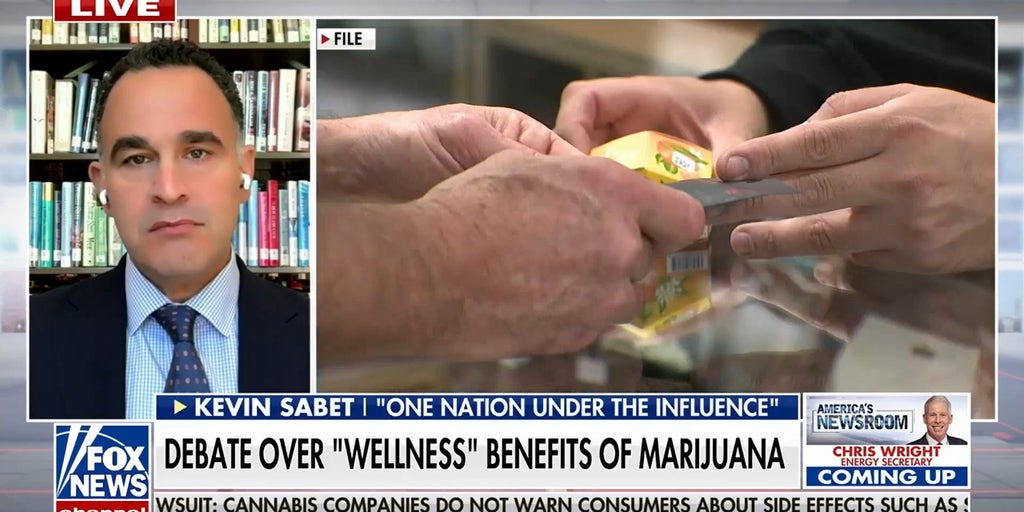
Kevin Sabet, CEO of Smart Approaches to Marijuana (SAM), a non-profit organization that opposes marijuana legalization, emphasized the importance of consumer protection when discussing the lawsuit. “Consumers have the right to know exactly what they’re purchasing,” Sabet stated. “Many of these products make claims that simply haven’t been validated by proper scientific research.”
Sabet particularly stressed concerns about high-potency THC products, which he claims can be associated with serious mental health risks. “The public deserves to understand the potential side effects of consuming high-potency THC, which some research has linked to conditions like psychosis and schizophrenia in vulnerable individuals,” he explained.
The lawsuit emerges against the backdrop of the Trump administration’s recent reclassification of marijuana from a Schedule 1 to a Schedule 3 substance under the Controlled Substances Act. This significant policy shift acknowledges marijuana’s potential medical applications while maintaining federal restrictions. Schedule 3 substances are considered to have a moderate to low potential for physical and psychological dependence, compared to Schedule 1 drugs, which are classified as having no medical use and high abuse potential.
The rescheduling marks a substantial change in federal policy, though it doesn’t fully legalize cannabis nationwide. Instead, it creates a complex regulatory landscape where cannabis businesses must navigate state-level legalization alongside continuing federal oversight.
Illinois legalized recreational cannabis in 2020, creating one of the largest marijuana markets in the Midwest. The state’s cannabis industry generated over $1.5 billion in sales last year alone, highlighting the significant economic impact of the sector. Chicago has become a hub for cannabis businesses in the region, with dozens of dispensaries operating throughout the metropolitan area.
Legal experts note that this lawsuit could have far-reaching implications for cannabis marketing nationwide. “This case may establish important precedents about what claims cannabis companies can legally make,” said Jane Reynolds, a consumer protection attorney not involved in the case. “The industry has operated with relatively little marketing oversight compared to pharmaceuticals or alcohol.”
The cannabis industry has increasingly positioned certain products as wellness aids, with claims ranging from stress relief to sleep improvement and pain management. However, the FDA has approved only a limited number of cannabis-derived medications for specific conditions, leaving many wellness claims in a regulatory gray area.
Industry analysts suggest this lawsuit reflects growing pains in a rapidly evolving market. “As cannabis becomes more mainstream, it faces the same regulatory scrutiny as other consumer products,” explained market analyst Michael Torres. “Companies that built their marketing around unverified health claims may need to reconsider their approach.”
Consumer advocates welcome the lawsuit as a necessary step toward greater transparency. “People deserve accurate information about what they’re consuming, especially when health claims are involved,” said consumer rights advocate Sarah Johnson. “This lawsuit could help establish clearer boundaries for responsible marketing in the cannabis industry.”
The case continues to develop as the companies prepare their legal defense. If successful, the lawsuit could force significant changes in how cannabis products are marketed and advertised across the United States, potentially requiring more rigorous evidence for health-related claims.
Fact Checker
Verify the accuracy of this article using The Disinformation Commission analysis and real-time sources.

11 Comments
This lawsuit highlights the need for greater transparency and accountability in the cannabis industry. Consumers deserve accurate and substantiated information about the products they purchase, especially when it comes to health and wellness claims.
I agree. Misleading marketing tactics that prey on consumers’ desires for natural remedies are unethical and undermine trust in the industry.
While I understand the industry’s desire to promote the benefits of cannabis, making unsupported health claims goes too far. Regulators need to ensure proper evidence-based standards are in place to protect consumers.
Absolutely. Rigorous scientific research should be the foundation for any wellness claims, not just anecdotal evidence or marketing hype.
This lawsuit raises important questions about the balance between innovation, consumer choice, and public health. Careful regulation is needed to foster a responsible and transparent cannabis industry.
The cannabis industry should take this lawsuit as a wake-up call. Maintaining public trust requires putting consumer welfare before profit motives through honest, evidence-based marketing.
While I support the legalization of cannabis, I’m concerned about the potential for deceptive practices that take advantage of consumers. This lawsuit seems like a step in the right direction for accountability.
I agree. Responsible regulation and ethical business practices are essential for the cannabis industry to thrive in a sustainable way.
I’m curious to see how this case unfolds and whether it leads to broader changes in how cannabis products are marketed. Consumers need reliable information to make informed decisions.
Good point. This lawsuit could set an important precedent for the industry and encourage more diligent self-regulation to avoid legal challenges.
This lawsuit highlights the need for clear guidelines and robust oversight to ensure cannabis companies make accurate, science-backed claims about the health benefits of their products.