


Listen to the article
U.S. State Department Launches Sweeping Passport Revocation Program for Child Support Debtors
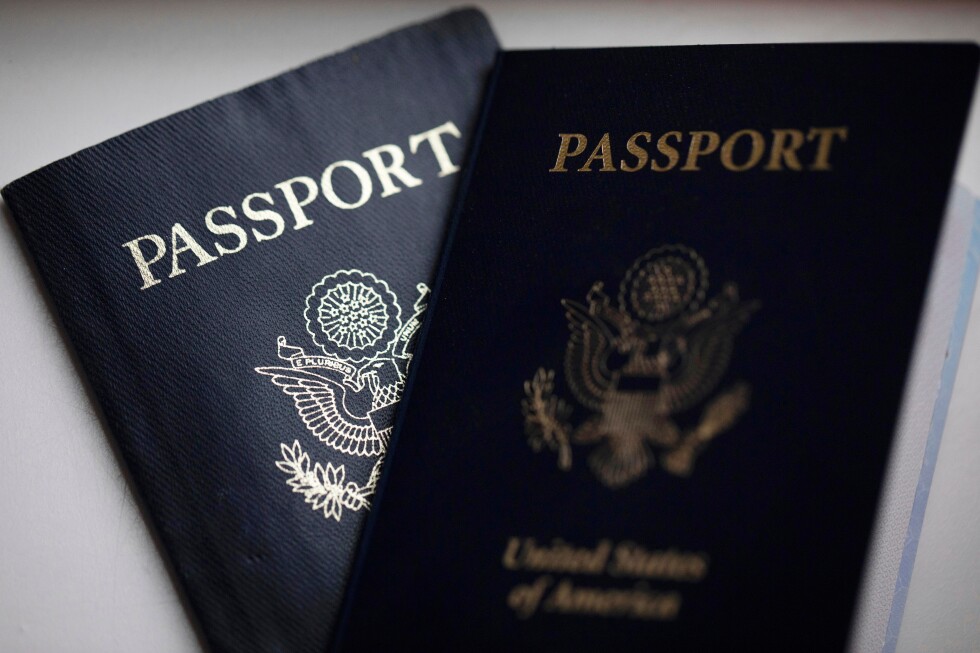
The U.S. State Department is implementing an aggressive new policy to combat unpaid child support, beginning with the revocation of passports from thousands of Americans who owe significant amounts in arrears.
Starting Friday, the department will target approximately 2,700 U.S. passport holders who owe $100,000 or more in unpaid child support, officials confirmed to The Associated Press. This marks a significant expansion of enforcement efforts, as previously only those applying for passport renewals faced such penalties.
The initiative will soon cast an even wider net, eventually affecting parents who owe more than $2,500 – the threshold established by a 1996 law that has been minimally enforced until now. While exact figures remain unclear for this broader category, officials anticipate it could impact many thousands of additional Americans once the Department of Health and Human Services completes its data collection from state agencies.
“We are expanding a commonsense practice that has been proven effective at getting those who owe child support to pay their debt,” said Assistant Secretary of State for Consular Affairs Mora Namdar. “Once these parents resolve their debts, they can once again enjoy the privilege of a U.S. passport.”
The State Department described the program as a “powerful tool” for ensuring financial responsibility, noting that since its inception in 1998, states have collected approximately $657 million in arrears. Over the past five years alone, the initiative has facilitated more than $156 million in payments through 24,000 individual lump-sum settlements.
Early results suggest the strategy is already working. Since news of the expanded program first broke in February, hundreds of parents have reportedly taken action to resolve their debts with state authorities. While the department cannot confirm direct causation in all cases, officials believe the threat of passport revocation has motivated many debtors to fulfill their obligations.
The enforcement mechanism works differently from previous approaches. Rather than simply blocking new passport applications or renewals, the expanded program allows the State Department to actively invalidate existing travel documents. Those affected will receive formal notification that their passports are no longer valid for international travel.
For Americans who find themselves abroad when their passport is revoked, the stakes are particularly high. These individuals must visit a U.S. embassy or consulate to obtain an emergency travel document that permits their return to the United States – but no further international travel until their child support debt is resolved.
The crackdown comes amid growing concerns about child support enforcement nationwide. According to Census Bureau data, only about 43.5 percent of custodial parents receive the full amount of child support they’re legally owed, leaving billions in unpaid support annually. This financial shortfall often forces single-parent households deeper into poverty and increases reliance on public assistance programs.
Child support advocacy groups have generally praised the initiative, arguing that international travel restrictions represent a meaningful consequence for parents who have the means to travel abroad but fail to support their children financially.
Critics, however, question whether passport revocation might impede some parents’ ability to earn income through international business or work opportunities, potentially making it more difficult for them to resolve their debts.
The State Department emphasized that affected individuals can have their passports reinstated quickly once they settle their arrears and the appropriate state agency confirms payment. Officials hope this combination of consequences and clear pathways to resolution will incentivize compliance with child support obligations nationwide.
This passport revocation initiative represents one of the most significant federal enforcement actions on child support in decades, signaling a new level of cooperation between the Departments of State and Health and Human Services to address the persistent challenge of unpaid child support in the United States.
Fact Checker
Verify the accuracy of this article using The Disinformation Commission analysis and real-time sources.

7 Comments
This is a tough but necessary measure to ensure parents uphold their financial responsibilities. Revoking passports for those owing significant child support could motivate many to pay their dues and support their kids.
Agreed, the government needs to take strong action against deadbeat parents who neglect their duties. Perhaps this will encourage more accountability and care for children’s wellbeing.
I’m curious to see how this policy will be implemented and what the impacts will be. Will it effectively compel delinquent parents to pay up, or could it create more hardship for already struggling families?
Those are valid concerns. The government will need to balance enforcement with compassion to ensure this doesn’t unfairly penalize parents in difficult circumstances who are genuinely trying to meet their obligations.
This seems like a heavy-handed approach that could backfire. Revoking passports may prevent some parents from finding work or caring for their kids in other states. There are likely more constructive ways to address unpaid child support.
That’s a fair point. Perhaps targeted wage garnishments or other financial penalties would be more effective without unduly restricting individuals’ freedom of movement and ability to provide for their families.
As a single parent who has struggled with an ex who doesn’t pay child support, I welcome this new policy. It’s about time the government got tougher on deadbeats. Hopefully this will motivate more parents to fulfill their responsibilities.