


Listen to the article
In a recent development highlighting ongoing tensions over the Justice Department’s role under the Trump administration, former President Barack Obama has joined a growing chorus of critics expressing concern about the current administration’s approach to justice.
During a taped interview on “The Late Show with Stephen Colbert,” Obama weighed in on what many political observers have characterized as President Trump’s unprecedented relationship with the Department of Justice. The former president’s comments come amid increased scrutiny of the administration’s legal policies and enforcement priorities.
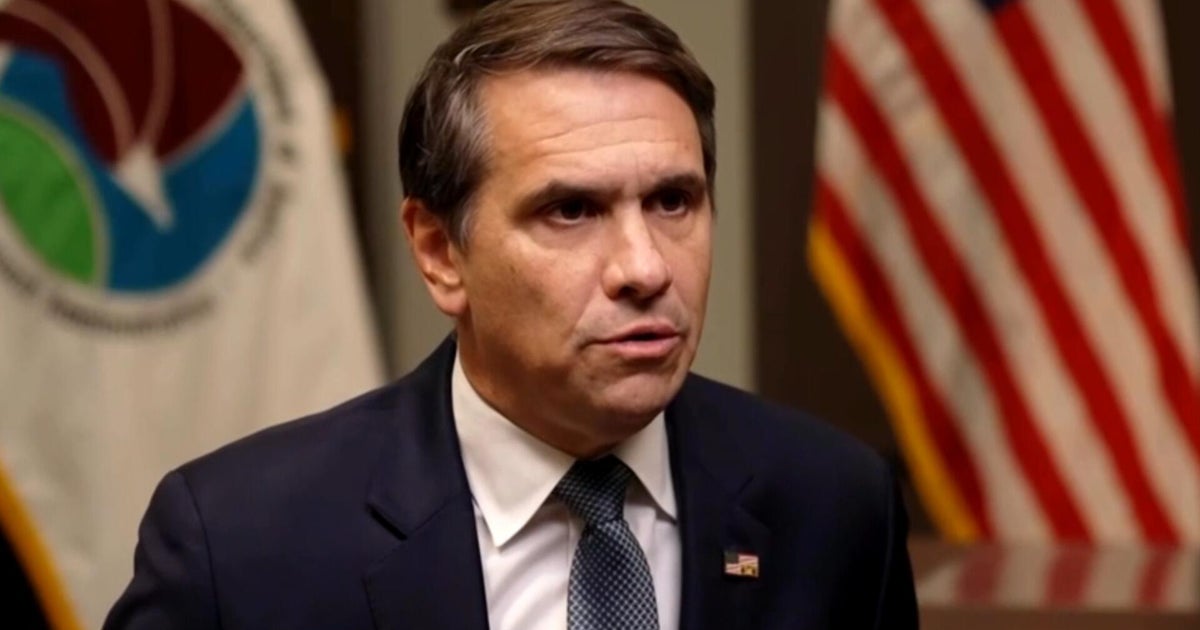
In response to mounting criticism, acting Attorney General Todd Blanche has defended the Justice Department’s actions in an exclusive interview with CBS News immigration correspondent Camilo Montoya-Galvez. The interview represents Blanche’s most significant public statement since assuming the role following the departure of previous Attorney General William Barr.
The exchange between these high-profile figures reflects a broader national debate about the independence of the Justice Department, which has traditionally maintained a degree of autonomy from White House influence. Legal experts have pointed to several controversial decisions in recent months that have raised questions about the department’s impartiality under the current administration.
Blanche, who took office amid significant turnover in the department’s leadership, faces the challenging task of addressing these concerns while maintaining the agency’s operational effectiveness. During his interview with Montoya-Galvez, he reportedly emphasized the department’s commitment to rule of law and rejected accusations of political interference.
Critics, including former Justice Department officials from both Republican and Democratic administrations, have expressed concern that the traditional firewall between the White House and justice system has eroded. Obama’s decision to address the issue on a popular late-night program signals the extent to which these concerns have permeated mainstream political discourse.
The conversation takes place against the backdrop of several high-profile legal cases involving immigration enforcement, protest response, and investigations into political figures. The Justice Department’s handling of these matters has drawn both praise and criticism from various quarters.
Immigration policy in particular has been a flashpoint for debate about the department’s role. Under Montoya-Galvez’s questioning, Blanche reportedly addressed specific concerns about enforcement priorities and legal positions taken by the department in ongoing litigation related to border security and asylum procedures.
The tensions highlighted in this exchange reflect longstanding questions about the proper relationship between a president and the nation’s chief law enforcement agency. Historians note that while presidents have always appointed the attorney general and other senior Justice Department officials, traditional norms have generally limited direct White House involvement in specific investigations or prosecutorial decisions.
The current dispute also underscores the increased politicization of law enforcement issues in recent years. Public opinion polling consistently shows Americans divided along partisan lines in their assessment of Justice Department actions, mirroring broader political polarization.
Legal experts suggest that the debate transcends individual personalities and reflects fundamental questions about constitutional separation of powers and the rule of law in American democracy. The outcome of this debate may have lasting implications for how future administrations interact with the Justice Department.
As the election season approaches, these issues are likely to remain at the forefront of political discourse, with both supporters and critics of the administration pointing to Justice Department actions as evidence for their respective positions. The exchange between Obama, Blanche, and others represents just one chapter in what promises to be an ongoing national conversation about justice and executive power.
Fact Checker
Verify the accuracy of this article using The Disinformation Commission analysis and real-time sources.

5 Comments
This is a sensitive and politicized issue, with valid concerns on both sides. While the DOJ should be shielded from undue influence, the public also deserves transparency on its operations and decision-making. A thorough, objective investigation could help resolve the dispute.
Couldn’t agree more. An independent, nonpartisan review is needed to shed light on the DOJ’s practices and address any perceived bias or misconduct. Upholding the rule of law must be the top priority.
Interesting to see the back-and-forth over political influence on the Justice Department. As an independent watchdog, it’s important the DOJ maintains its integrity and makes decisions free from partisan pressure. Curious to hear more about the specific claims and counterarguments.
I agree, the DOJ’s independence is crucial for impartial law enforcement. It will be important to examine the evidence and arguments on both sides to assess the validity of the politicization claims.
The debate over DOJ politicization is an important one, as public trust in the justice system is paramount. Both the Trump administration and its critics make valid points that warrant careful consideration. Hopefully, a balanced, fact-based analysis can move the discussion forward constructively.