


Listen to the article
TikTok Creator Fined $10 Million for Defaming Professor in Idaho Murder Case
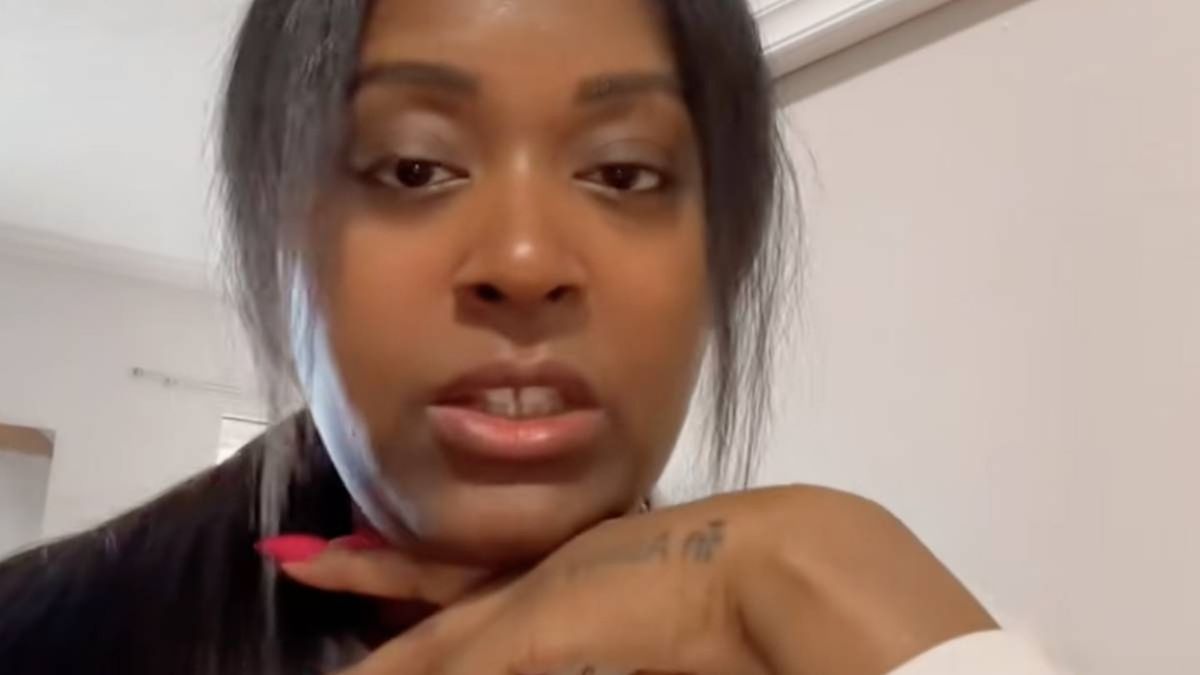
A TikTok personality who claimed a University of Idaho professor orchestrated the murder of four college students has been ordered to pay $10 million in damages, marking a watershed moment in the accountability of social media content creators.
Ashley Guillard, 41, was found liable for defamation after publishing a series of videos falsely accusing history professor Rebecca Scofield of orchestrating the November 2022 killings of Ethan Chapin, Madison Mogen, Xana Kernodle, and Kaylee Goncalves in Moscow, Idaho.
The jury deliberated for just two hours before awarding Scofield far more than her attorneys had sought – $7.5 million in punitive damages designed to punish Guillard, plus additional compensatory damages for medical bills and other costs.
Court records show that Guillard, who claims to use “spiritual intuition” and tarot cards to solve high-profile crimes, persisted in publishing defamatory content even after Bryan Kohberger was arrested and later pleaded guilty to the murders. According to unsealed court documents, Kohberger had stabbed the victims approximately 150 times.
Despite receiving multiple cease-and-desist warnings, Guillard continued creating videos—112 in total—falsely claiming that Scofield had orchestrated the killings after one of the victims threatened to expose an alleged romantic relationship between them. Guillard even posted Scofield’s personal photos and contact information online.
“You spoke lies into a camera, about me and my husband,” Scofield told Guillard when they finally met in court. “You were making dozens of videos about me, someone you never met, you never talked to—someone you had no connection to. I don’t know how anyone could not feel threatened by that level of interest from someone they had never met.”
Scofield testified that Guillard’s false allegations caused her to develop severe anxiety, PTSD, and intense nerve pain. The accusations also inflicted “irreversible reputation harm” and made it difficult for her to continue working at the University of Idaho.
Representing herself during the trial, Guillard appeared as her own witness and even cross-examined herself in an unusual question-and-answer format when called forward by Scofield’s lead attorney, Wendy Olson. During proceedings, the court learned that Guillard was a U.S. Army veteran with a background in business and human resources who had left her husband to pursue a full-time “spiritual journey.”
Guillard claimed she began making videos about the murders in November 2022 to “raise awareness” about the case. However, Olson pointed out that Guillard had not contacted authorities until after publishing multiple videos implicating Scofield.
In her closing argument, Guillard remained defiant, stating, “It was my understanding that I do not have to hold facts or documents to exercise speech.” She added: “It is reasonable in my shoes that I believe Scofield to be a part of these murders. It is reasonable for a person to want to warn the public if they think a killer is on the loose.”
The case highlights growing concerns about the real-world consequences of unverified accusations spread through social media platforms. As digital platforms continue to democratize content creation, legal experts note that this verdict establishes an important precedent regarding accountability for false claims made online.
Following the verdict, Scofield told PEOPLE magazine: “The $10 million verdict reinforces the judge’s decision and sends the clear message that false statements online have consequences in the real world for real people and are unacceptable in our community.”
She added: “The murders of the four students on November 13, 2022, was the darkest chapter in our university’s history. Today’s decision shows that respect and care should always be granted to victims during these tragedies.”
The case has been closely watched by legal and media experts as it represents one of the largest defamation judgments against an individual social media content creator in recent years.
Fact Checker
Verify the accuracy of this article using The Disinformation Commission analysis and real-time sources.

10 Comments
I’m glad the professor was able to successfully sue the TikToker for defamation. Spreading false murder allegations on social media is incredibly irresponsible and can have devastating impacts. This case highlights the need for greater accountability around online content.
Spreading false murder allegations is a serious offense, and I’m glad the professor was able to hold the TikToker accountable. A $10 million fine is a significant punishment that should deter others from making similar unfounded claims on social media.
The $10 million penalty is a strong statement that defamation will not be tolerated, even from social media influencers. This case sets an important precedent and should serve as a warning to others who may be tempted to make unfounded allegations online.
This case highlights the need for better regulation and oversight of social media content. Influencers shouldn’t be able to make unsubstantiated claims that can ruin lives. The $10 million penalty is a step in the right direction, but more needs to be done to protect people from online defamation.
Wow, $10 million is a massive fine. While freedom of speech is important, there need to be consequences for malicious lies that damage reputations and cause real distress. Hopefully this ruling deters others from making unsubstantiated accusations online.
Unbelievable that someone would use ‘spiritual intuition’ and tarot cards to accuse an innocent professor of murder. The $10 million penalty seems appropriate given the severity of the defamation. Social media platforms need to do more to curb the spread of misinformation.
Spreading misinformation about a tragic crime is completely unacceptable. I’m glad the professor was able to successfully sue the TikToker and receive such a substantial award. This case should serve as a warning to others who may be tempted to make unfounded allegations.
This is a serious case of defamation and misinformation. TikTok creators must be held accountable for the harm caused by spreading false claims, especially around tragic events like this. A $10 million penalty sends a strong message.
This is a troubling case of defamation and the misuse of social media. I’m glad the professor was able to win the lawsuit and receive such a substantial award. It’s important that there are real consequences for those who spread misinformation online.
This ruling is an important step in holding social media influencers responsible for the harm caused by their false claims. $10 million is a steep price to pay, but it sends a clear message that defamation will not be tolerated, even online.