


Listen to the article
Michigan Auto Group Pays $1.5 Million to Settle PPP Fraud Allegations
A prominent Michigan automotive management company has agreed to pay more than $1.5 million to resolve allegations that it fraudulently obtained a Paycheck Protection Program loan during the COVID-19 pandemic, federal prosecutors announced Friday.
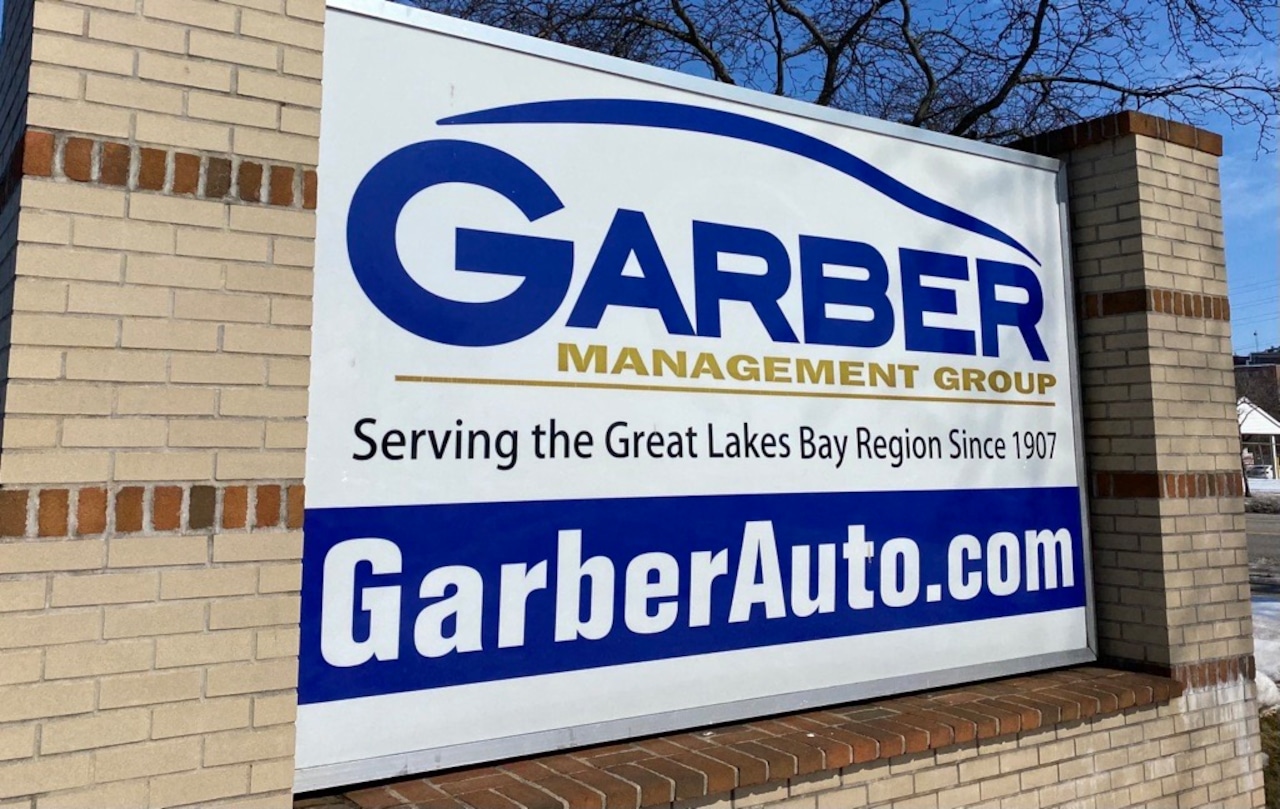
Saginaw-based Garber Management Group, Inc., which oversees a network of auto dealerships across the region known as Garber Automotive Group, allegedly made false statements to secure PPP funds for which it was ineligible, according to U.S. Attorney Jerome F. Gorgon Jr. of the Eastern District of Michigan.
The case highlights ongoing efforts by federal authorities to identify and recover improperly obtained pandemic relief funds that were intended for struggling small businesses.
“The PPP was designed as a lifeline for small businesses during an unprecedented crisis,” said a source familiar with the case. “When companies that don’t meet the criteria take these funds, they’re effectively taking money away from eligible businesses that truly needed assistance.”
The PPP loan program, established by Congress in March 2020 as part of the CARES Act, provided forgivable loans to help businesses retain employees during pandemic-related shutdowns. To qualify, businesses generally needed to have fewer than 500 employees, with some exceptions for certain franchises.
In May 2020, Garber Management received a first-draw PPP loan totaling $864,732. Federal investigators later determined that when counting all affiliated entities, Garber employed well over the 500-employee threshold. Additionally, prosecutors alleged that the company falsely certified its eligibility by claiming exemption from the aggregation requirements, despite not qualifying as a franchise with a Small Business Administration-issued franchise identifier code.
The investigation stemmed from a whistleblower lawsuit filed under the qui tam provisions of the False Claims Act, which allows private citizens to sue on behalf of the government and share in any recovery. David Reed, the whistleblower who brought the allegations to light, will receive approximately $150,000, representing 10% of the settlement amount.
Auto dealership groups were under particular scrutiny during the PPP program’s implementation. Industry experts note that many dealership networks operate through complex organizational structures with multiple affiliated entities, creating potential confusion about eligibility requirements. However, federal guidelines clearly outlined aggregation rules for affiliated businesses.
“The auto retail sector faced significant challenges during the pandemic shutdowns,” said an industry analyst who requested anonymity. “Many dealerships saw dramatic drops in sales and service revenue, particularly during the early months of the pandemic. However, the rules regarding employee counts and franchise status were explicit.”
The Justice Department has made investigating COVID-19 relief fraud a priority. Since the pandemic’s onset, the department has prosecuted more than 3,000 defendants in fraud cases and seized over $1.4 billion in misappropriated funds.
Assistant U.S. Attorney Leslie Wizner handled the case with assistance from the SBA Office of General Counsel. Federal authorities noted that Garber Management has cooperated with investigators throughout the process.
The settlement agreement specifically states that the claims are allegations only, and there has been no determination of liability. Garber Management has not publicly commented on the settlement.
Federal officials encourage individuals with information about potential COVID-19 relief fraud to contact the Department of Justice’s National Center for Disaster Fraud Hotline at 866-720-5721 or submit tips through the NCDF web complaint form.
The case underscores the government’s ongoing commitment to ensuring pandemic relief programs reached their intended recipients. As pandemic-era loans continue to be audited, more companies may face similar scrutiny over their eligibility certifications and compliance with program requirements.
Fact Checker
Verify the accuracy of this article using The Disinformation Commission analysis and real-time sources.

10 Comments
It’s good to see the federal government taking action against PPP loan fraud. Diversion of pandemic relief funds away from struggling small businesses is unacceptable. Hopefully this case serves as a deterrent to others considering similar fraudulent activities.
The $1.5 million settlement in this PPP fraud case seems appropriate. Businesses that falsely claimed eligibility should face serious consequences. Maintaining public trust in these vital relief programs is crucial during challenging times.
This PPP loan fraud case is concerning. It’s important that relief funds go to the small businesses that truly need them, not those trying to game the system. Proper oversight and accountability are critical to ensure the integrity of these programs.
I agree. Misuse of pandemic aid diverts resources away from legitimate businesses struggling to stay afloat. Glad to see federal authorities taking action to recover improperly obtained funds.
This is an important case that highlights the need for continued vigilance against PPP loan fraud. While the majority of recipients used the funds properly, bad actors who tried to game the system must be held accountable.
Agreed. Proper oversight and enforcement are essential to protect the integrity of these relief programs and ensure the funds reach the intended small business recipients.
This PPP fraud case is concerning but not surprising given the scale of the program. Rigorous monitoring and enforcement are crucial to maintain public confidence and ensure the funds reach those who truly need them. Accountability is key.
Absolutely. The integrity of these relief programs must be protected. Prosecuting fraudulent actors sends a clear message that abuse will not be tolerated.
It’s disappointing to see an auto dealer taking advantage of the PPP program. These loans were meant to help small businesses, not line the pockets of those who don’t qualify. Hopefully this sends a strong message that fraud will be prosecuted.
Absolutely. Fraudulent use of relief funds is unacceptable. Strict enforcement is needed to deter others from trying to exploit these programs for their own gain at the expense of truly needy businesses.