


Listen to the article
Idaho Professor’s Defamation Case Against TikToker Reaches Jury Deliberation
Federal jurors have begun deliberations to determine the financial damages owed to University of Idaho professor Rebecca Scofield, who successfully sued TikTok content creator Ashley Guillard for defamation related to the 2022 University of Idaho murders.
The lawsuit stems from a series of TikTok videos in which Guillard falsely accused Scofield of participating in the murders of four university students and alleged she had been romantically involved with one of the victims. These videos garnered millions of views across social media platforms, spreading unfounded accusations widely across the internet.
Despite receiving cease-and-desist letters from Scofield’s attorneys warning that the claims were false and harmful, Guillard continued to publish similar content, according to court testimony reported by the Idaho Statesman.
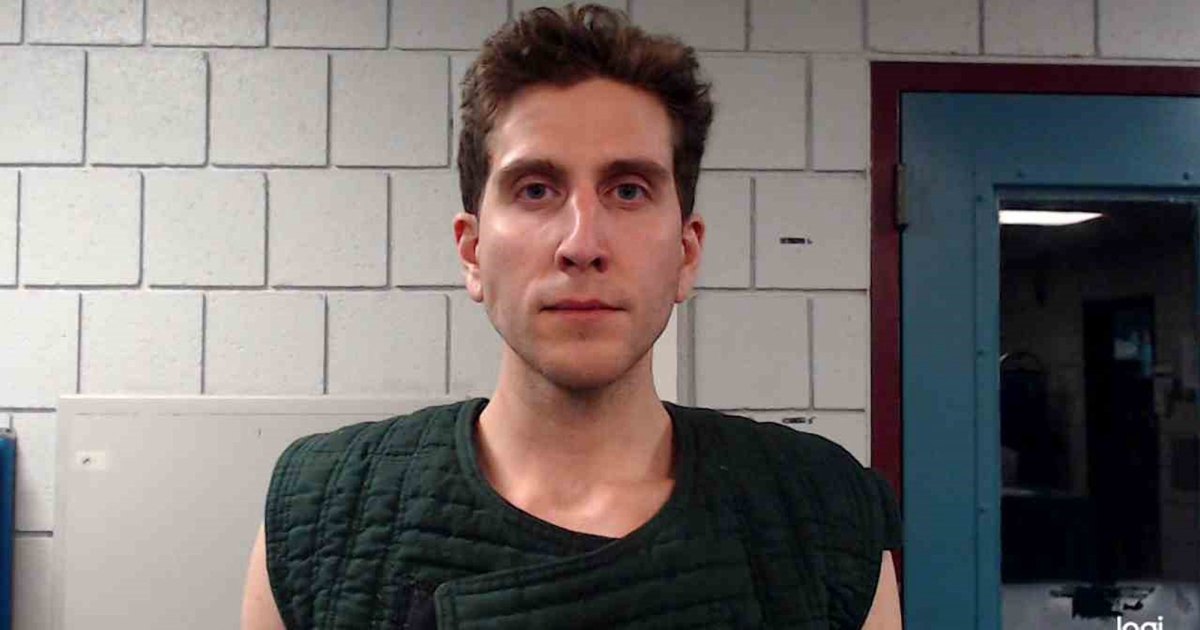
The case relates to one of the most notorious crimes in recent Idaho history. On November 13, 2022, Bryan Kohberger broke into a Moscow, Idaho home and fatally stabbed four University of Idaho students: Madison “Maddie” Mogen and Kaylee Goncalves, both 21, along with Xana Kernodle and Ethan Chapin, both 20. Last summer, 31-year-old Kohberger pleaded guilty to the killings and received four life sentences.
During the trial, Scofield, 40, delivered emotional testimony about the profound impact of Guillard’s accusations on her life. “It was like a stone on my chest that was not crushing me, it was dissolving me,” Scofield told the court, fighting back tears. “I was unraveling underneath the weight of it.”
Scofield testified that the false claims stripped away her anonymity and sense of security, resulting in severe grief and depression that manifested physically as chronic headaches and nerve damage throughout her body.
Expert witnesses during the penalty phase explained to jurors how viral online accusations—even completely fabricated ones—can devastate professional reputations, affect hiring decisions, and significantly reduce long-term earning potential.
Guillard, 41, who represented herself during the proceedings, offered an unusual defense of her accusations. She claimed her videos were based on clairvoyant abilities rather than factual evidence. “We work with intuition, not facts,” Guillard testified. “The facts are the job of law enforcement, not a psychic.”
In an attempt to counter Scofield’s claims of emotional and physical harm, Guillard tried to attribute the professor’s health issues to a total hysterectomy Scofield underwent weeks after the murders. However, Scofield maintained she fully recovered from the surgery and that medical professionals, including her therapist, have linked her physical ailments directly to the emotional trauma caused by Guillard’s false accusations.
The court barred cameras from recording the proceedings, which have drawn significant media attention due to their connection to the high-profile murder case.
Meanwhile, Kohberger, now serving his life sentences at the Idaho Maximum Security Institution, has repeatedly filed complaints about his treatment in prison. He has alleged that other inmates taunt and threaten him, and that prison staff deprive him of adequate food. A devout vegan, Kohberger specifically complained about not receiving complete meals and expressed dissatisfaction with the quality of fruit provided, particularly bananas, according to documents obtained by People magazine.
The jury’s decision on damages in Scofield’s defamation case will establish an important precedent regarding accountability for false accusations spread through social media platforms, especially those related to high-profile criminal cases.
Fact Checker
Verify the accuracy of this article using The Disinformation Commission analysis and real-time sources.

9 Comments
Defamation cases are crucial for combating the spread of false and harmful online narratives. I hope the professor is awarded appropriate damages for the trauma and reputational damage caused by these baseless TikTok allegations.
The Idaho murders were a horrific tragedy, and it’s appalling that someone would try to exploit them for attention and views on TikTok. The professor deserves justice for the harm caused to her reputation.
This case highlights the need for greater regulation and oversight of social media platforms to prevent the spread of harmful misinformation. I hope the verdict sends a clear message.
While freedom of expression is important, there have to be consequences for deliberately publishing false and defamatory content. I hope this case sets a precedent for greater accountability on social media.
Defamation cases like this are crucial for upholding the truth and protecting victims from further trauma. I hope the professor is awarded appropriate damages for the reputational harm she suffered.
Irresponsible online content creators need to be held accountable for the real-world consequences of their actions. This professor is right to pursue legal action and I hope the verdict sends a strong message.
While social media gives everyone a platform, that doesn’t mean users can post anything without consequences. I’m glad to see the professor taking legal action against this TikTok creator’s false claims.
Defamation lawsuits are a crucial tool for protecting individuals from the damage caused by malicious lies and conspiracy theories spread online. I hope the professor prevails in this case.
Spreading unfounded murder allegations online is an egregious abuse of free speech. I’m glad to see the professor taking a stand and hope the jury decision upholds the principles of truth and justice.