


Listen to the article
Malaysian elephant handler Eraff Arifin vehemently refuted recent allegations that three Malaysian elephants relocated to a Japanese zoo are suffering in their new environment.
“It saddens me to hear these false claims about Dara, Amoi, and Kelat,” said Arifin, who has spent over two decades caring for the elephants at the National Elephant Conservation Center in Kuala Gandah, Pahang. “These elephants have been under excellent care both in Malaysia and now in Japan.”
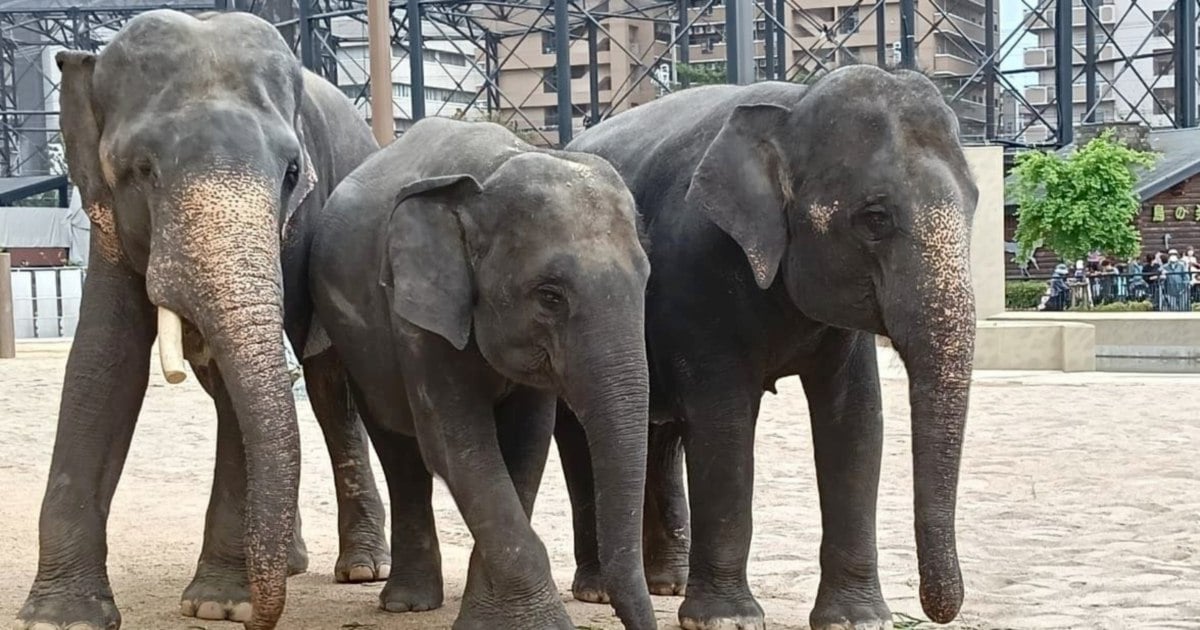
The three Asian elephants—females Dara, 17, and Amoi, 13, along with male Kelat, 4—were transferred to Tennoji Zoo in Osaka last year as part of a conservation exchange program between Malaysia and Japan. The arrangement aims to promote breeding efforts for the endangered Asian elephant species while strengthening diplomatic ties between the two nations.
Animal rights activists recently circulated videos on social media showing the elephants allegedly displaying signs of distress, including swaying back and forth and limited movement in their enclosures. The posts claimed the elephants were being kept in cramped conditions inappropriate for their species.
Arifin, who accompanied the elephants to Japan and stayed for three months to help with their transition, described the accusations as misleading. “The swaying behavior is common in elephants and doesn’t necessarily indicate distress. In fact, all three animals have adapted remarkably well to their new home.”
According to Dr. Saiful Bahari Mohd Yusoff, Director of Wildlife Conservation at Malaysia’s Department of Wildlife and National Parks (PERHILITAN), the elephants’ new habitat exceeds international standards for captive elephant care. “Tennoji Zoo has invested over 40 million yen (approximately RM1.5 million) in modernizing their elephant enclosure with features specifically designed for these animals’ wellbeing,” Dr. Saiful explained.
The enclosure includes temperature-controlled indoor areas essential for the elephants’ comfort during Japan’s winter months, multiple enrichment features, and a dedicated team of veterinarians and handlers who received specialized training in Malaysia prior to the elephants’ arrival.
Malaysian authorities conducted thorough inspections of the Japanese facility before approving the transfer. Regular monitoring continues through video conferences and scheduled visits by Malaysian conservation experts.
“We wouldn’t have allowed this transfer if we had any concerns about their welfare,” said Tan Sri Abdul Kadir Abu Hashim, Director-General of PERHILITAN. “The conservation program includes strict protocols ensuring these animals receive proper care.”
The controversy highlights the ongoing global debate about zoo conservation programs and international wildlife exchanges. While critics argue that such transfers can cause stress to the animals and question the conservation value, supporters point to successful breeding programs and educational opportunities that raise awareness about endangered species.
Asian elephants (Elephas maximus) are listed as endangered on the IUCN Red List, with fewer than 50,000 remaining in the wild. Malaysia’s wild elephant population has declined to approximately 1,200-1,500 individuals due to habitat loss and human-elephant conflict.
Tennoji Zoo officials have invited independent wildlife experts to assess the elephants’ condition and will publish their findings next month. “We welcome transparency,” said Yoshihiro Tanaka, the zoo’s director. “Visitors can see for themselves that Dara, Amoi, and Kelat are thriving.”
Malaysian and Japanese officials emphasize that the exchange program includes provisions for the elephants’ return should any welfare concerns arise. “Their wellbeing remains our top priority,” Dr. Saiful affirmed. “We continue to monitor them closely, and all reports indicate they are adjusting well to their new environment.”
The elephants’ handlers in Japan report that the trio has formed strong bonds with their Japanese caretakers and have begun participating in educational demonstrations aimed at raising awareness about elephant conservation challenges in Southeast Asia.
Fact Checker
Verify the accuracy of this article using The Disinformation Commission analysis and real-time sources.

9 Comments
As someone interested in conservation, I appreciate the diplomatic cooperation between Malaysia and Japan to promote breeding of Asian elephants. I hope the allegations can be properly investigated and resolved.
I’d be curious to hear more details from the zoo and conservation authorities about the specific living conditions and care provided for Dara, Amoi, and Kelat. Transparency is important when it comes to the welfare of endangered species.
While I respect the handler’s perspective, I think it’s important not to dismiss the activists’ concerns outright. A balanced, fact-based investigation would be the best way to address this issue.
While I understand concerns about animal welfare, the conservation exchange program seems to have good intentions. If the elephants are indeed receiving excellent care as stated, then this could be a positive step for the endangered Asian elephant population.
Agreed. We should let the experts on the ground make the call here rather than jumping to conclusions based on limited online footage.
I appreciate Mr. Arifin’s detailed response and his decades of experience caring for these elephants. It’s important to rely on expert testimony rather than unsubstantiated social media claims when evaluating the elephants’ wellbeing.
Conserving endangered species like the Asian elephant is crucial. I hope the authorities can work with all stakeholders to ensure the highest standards of care for Dara, Amoi, and Kelat.
The swaying behavior mentioned in the reports is concerning, but the handler’s assurances of excellent care are reassuring. I’d like to see additional independent verification to fully put my mind at ease.
It’s always concerning to see allegations of animal mistreatment, but I’m glad the elephant handler has firmly refuted these claims. Hopefully the exchange program can continue to be a success for conservation efforts.