


Listen to the article
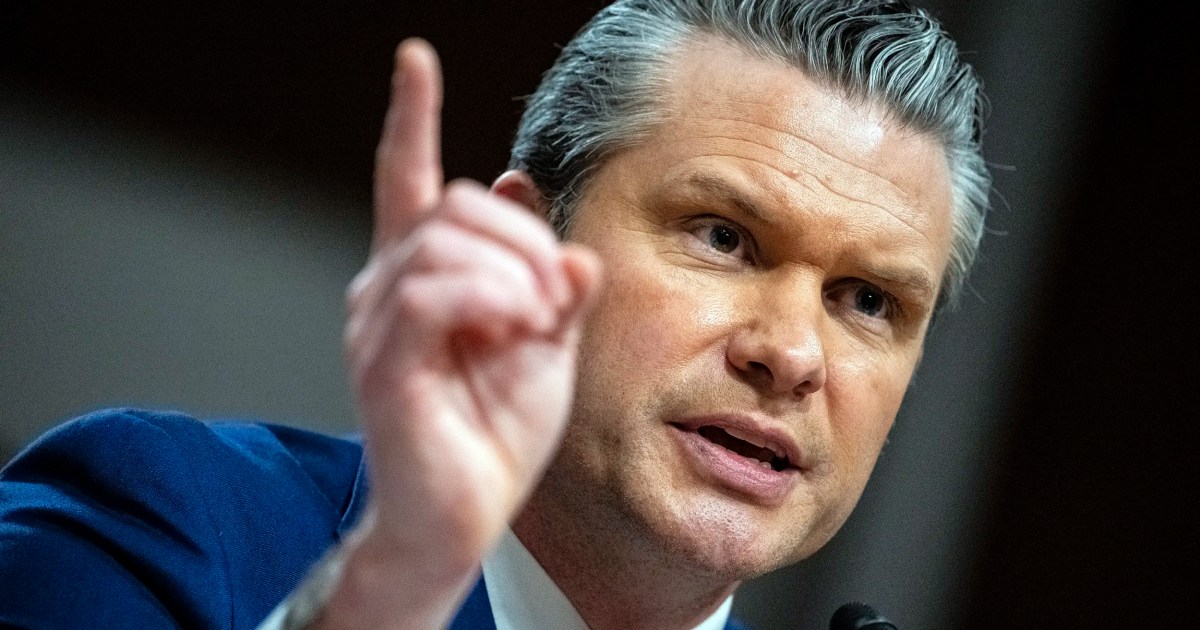
In a series of contentious Capitol Hill appearances last week, Defense Secretary Pete Hegseth repeatedly attempted to deflect criticism by drawing questionable comparisons to previous administrations, a tactic that has drawn scrutiny from lawmakers and fact-checkers alike.
When pressed about his controversial wave of dismissals at the Pentagon, Hegseth claimed, “Under Barack Obama, 197 general officers were removed. So this is not something specific to this administration.” The statement, delivered under oath during congressional testimony, appeared designed to normalize the current administration’s personnel decisions by suggesting similar patterns existed previously.
However, The New York Times has since reported that Hegseth’s claim “has no basis in fact.” The newspaper’s investigation found no evidence supporting the specific figure cited by the secretary, raising questions about the accuracy of information being presented to Congress by one of the nation’s top defense officials.
The pattern of using unsubstantiated claims about previous administrations wasn’t isolated to this single exchange. When questioned about the potential deployment of U.S. troops to voting locations ahead of the upcoming midterm elections – a politically sensitive topic given concerns about election security and military involvement in civilian electoral processes – Hegseth again pivoted to discussing the Biden administration rather than directly addressing the policy question at hand.
This rhetorical strategy highlights growing tensions between the Defense Department and congressional oversight committees, which have expressed concern about both the substance of Pentagon policies and the manner in which the department’s leadership is engaging with legitimate inquiries from elected representatives.
Hegseth, who previously worked as a Fox News host before his appointment to lead the Department of Defense, has faced persistent questions about his qualifications and management approach. His media background has made him a recognizable figure but has also led to criticism that he sometimes employs broadcasting tactics rather than the measured, fact-based communication style traditionally associated with the Pentagon’s civilian leadership.
Defense policy experts note that the relationship between Congress and the Pentagon has historically been marked by robust debate but generally maintained a level of professional decorum and factual precision. The current friction represents a potential departure from those norms at a time of significant global security challenges.
The controversy comes amid broader concerns about information integrity within the national security apparatus. Former defense officials from both Republican and Democratic administrations have emphasized the importance of accuracy in congressional testimony, particularly on matters involving military personnel decisions and domestic deployments.
Military analysts point out that any discussion of troop deployments related to U.S. elections touches on extremely sensitive constitutional issues regarding the separation of civilian and military authorities. The Posse Comitatus Act generally prohibits the use of federal military personnel to enforce domestic policies, though there are limited exceptions.
For the Pentagon, which manages America’s largest federal bureaucracy and oversees critical national security functions, maintaining credibility with Congress is essential for effective oversight and funding. Misstatements during testimony can damage this relationship and potentially complicate defense policy implementation.
Some defense policy experts suggest that Hegseth’s focus on previous administrations may reflect an attempt to frame current Pentagon decisions within a political context rather than addressing them on their specific merits. This approach risks further polarizing national security discussions that have traditionally sought to maintain some degree of bipartisan consensus.
As congressional oversight continues, lawmakers have indicated they expect more direct answers and factual precision from the Defense Department leadership, particularly on matters involving personnel management and the potential domestic use of military assets during an election year.
Fact Checker
Verify the accuracy of this article using The Disinformation Commission analysis and real-time sources.
