


Listen to the article
Viral Images Falsely Attributed to Iranian Attack on Israel’s Haifa Power Plant
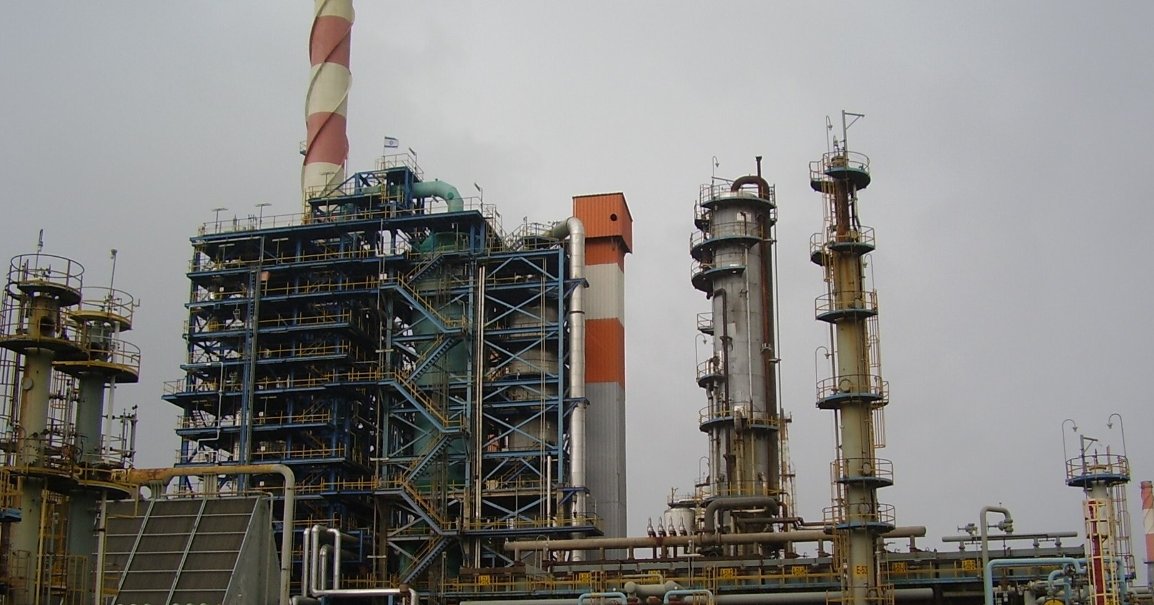
Misleading videos and images claiming to show an Iranian missile strike on a power plant in Haifa, Israel have been circulating widely on social media platforms in recent days, an investigation has revealed. The footage, which depicts a massive industrial fire with large explosions, actually shows a fire training drill conducted in China nearly nine years ago.
Multiple posts across Facebook, X (formerly Twitter), and other platforms have shared the dramatic footage with captions declaring: “BREAKING NEWS IRAN has blown up the Haifa power plant with a ballistic missile. With the destruction of this 828 MW power plant, half of Israel is living in darkness.”
However, fact-checking efforts have confirmed these claims are entirely false. The footage matches videos uploaded to YouTube on November 18, 2015, showing a firefighting drill at a training facility in Chengdu, China. The original source of the footage appears to be the Sichuan Fire Department, which shared images of the same exercise on November 13, 2015.
The Chinese fire department described the event on Weibo as a “chemical fire response drill” that “simulated a disaster scene involving a leak, fire, and explosion in the benzene unit area of an oil refinery.” Officials noted at the time that the impressive simulation was “comparable to a blockbuster movie, complete with special effects.”
Verification of the footage’s origin was further confirmed through satellite imagery that matches the distinctive structures visible in the video—including metal frameworks and spherical storage tanks—to the fire brigade training base in Chengdu. Additional video evidence from November 2015 referencing the Chinese rescue exercise corresponds perfectly with both the Sichuan Fire Department’s documentation and the miscaptioned viral content.
This isn’t the first time this particular footage has been falsely attributed to events in Haifa. Similar misinformation has circulated previously during periods of heightened tensions in the Middle East, including clips falsely characterized as showing a Hezbollah attack on a Haifa petrochemical plant.
While there have been legitimate reports of military action affecting Haifa during the current conflict, they bear no resemblance to the viral footage. On March 30, debris from an intercepted missile reportedly struck an oil refinery in Haifa. However, according to the facility’s operators and Israeli Energy Minister Eli Cohen, the incident caused no casualties, no damage to production facilities, and did not disrupt fuel supplies.
The spread of such misinformation highlights the increasing challenge of verifying information during active conflicts. Social media platforms have become battlegrounds not just for military narratives but also for information integrity, with old footage frequently repurposed and mislabeled to support particular viewpoints or generate engagement through sensationalism.
Media literacy experts recommend approaching dramatic wartime footage with skepticism, particularly when it appears on unverified social media accounts. Verifying the source, checking when content first appeared online, and cross-referencing with established news organizations can help determine authenticity before sharing potentially misleading material.
As tensions continue throughout the Middle East, the volume of misleading and fabricated content is expected to increase, underscoring the importance of critical media consumption during times of international crisis.
Fact Checker
Verify the accuracy of this article using The Disinformation Commission analysis and real-time sources.

5 Comments
Kudos to the fact-checkers for tracing the origins of this footage and debunking the false claims. It’s a good reminder to always question what we see online and not blindly accept sensational narratives.
It’s disheartening to see how easily misleading narratives can take hold, even with evidence to the contrary. This underscores the importance of critical thinking and fact-checking in the digital age.
It’s concerning how easily old, unrelated footage can be misrepresented and used to spread disinformation. Glad the real origins of this video were uncovered. We need to stay vigilant against the spread of false narratives, especially around major events.
Interesting to see how quickly misinformation can spread on social media. Good that fact-checkers were able to debunk these false claims about an attack on an Israeli power plant. It’s important to verify information before sharing it, especially with sensitive geopolitical issues.
This is a good example of how important it is to carefully scrutinize news and social media claims, rather than just taking them at face value. Fact-checking is crucial to combating the proliferation of misinformation online.