


Listen to the article
In a landmark settlement announced Friday, Horizon Blue Cross Blue Shield has agreed to pay New Jersey $100 million to resolve allegations that it fraudulently overcharged the state’s public worker health plans and made false statements to secure a contract.
The settlement, described as the largest non-Medicaid false claims settlement in state history, stems from allegations that Horizon ignored a crucial cost-control provision in its 2020 contract while administering health plans for approximately 750,000 state and local government workers and retirees.
According to state prosecutors, the contract required Horizon to charge the state the lesser of two amounts: either the amount billed by healthcare providers or the pre-negotiated rate between the provider and Horizon. This “lesser-of” provision was specifically designed to reduce costs for the state’s financially strained public worker health plans.
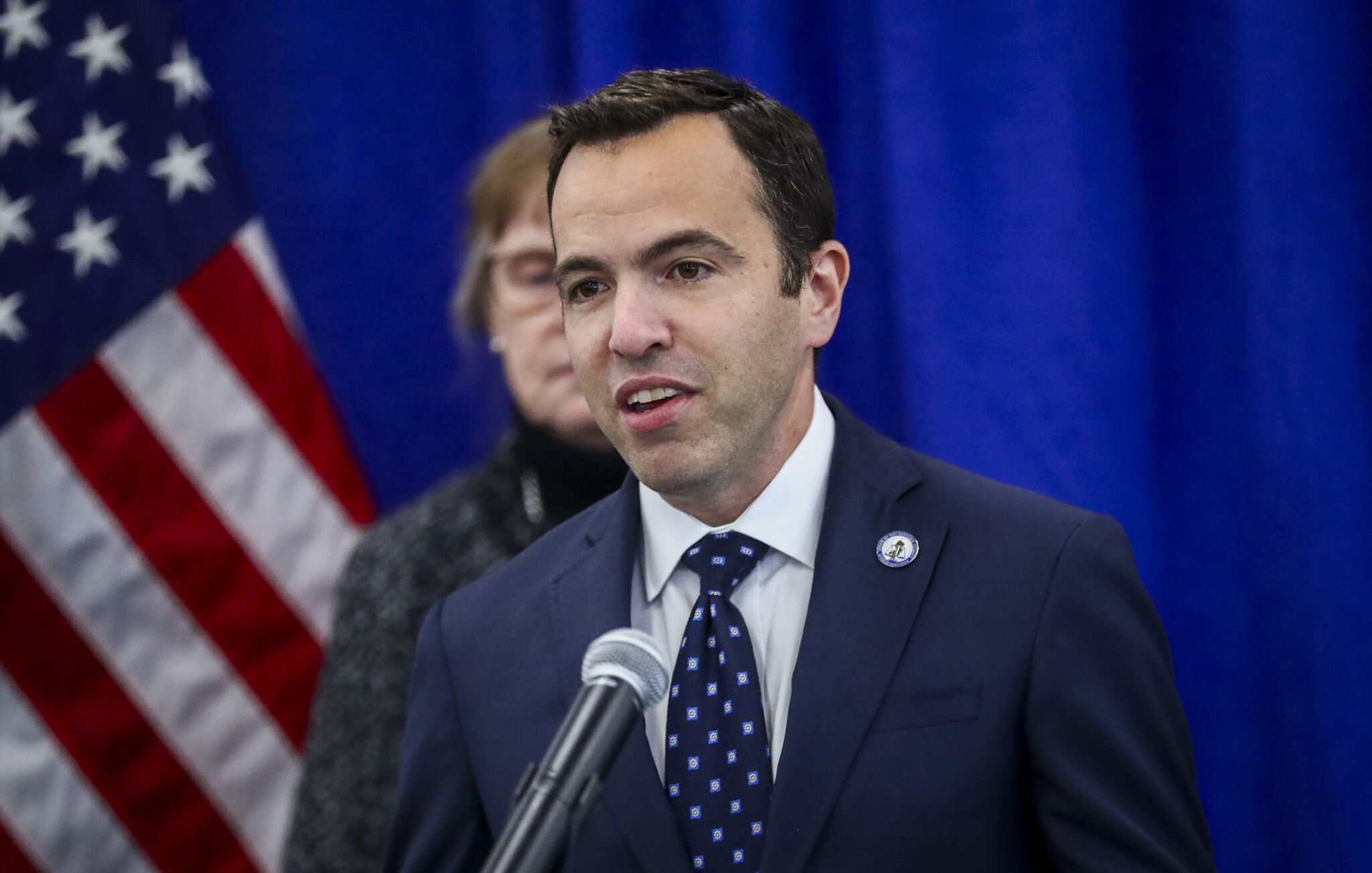
“At a time when everyone is rightly concerned about the cost of their health care, it is simply unacceptable that an insurance company would seek to defraud our State and overcharge us while driving up the costs of health care for hundreds of thousands of dedicated public servants,” Attorney General Matt Platkin said in a statement.
The Attorney General’s Office alleged that Horizon knew it couldn’t comply with this provision before bidding on the contract but concealed this fact from state procurement officials. After winning the contract, the insurer allegedly submitted more than 1,000 false claims to the state along with fraudulent supporting documentation.
In one example cited by prosecutors, if a doctor charged $300 for a visit but had negotiated a $600 rate with the insurer, the provision would require Horizon to charge the state no more than $300. Instead, Horizon allegedly ignored this requirement and even provided plan members with documents that misstated the amounts charged to the state.
Horizon, which received nearly $500 million over nearly five years under the contract, has denied any wrongdoing. The settlement does not include an admission of guilt, and the company has since begun complying with the lesser-of provision and ceased providing false documents to members.
Thomas Wilson, a spokesperson for Horizon, characterized the situation differently, calling it “a straightforward contract dispute” that Horizon tried to resolve in good faith more than four years ago. He claimed the payments in question accounted for just 0.07% of claims and less than 0.5% of amounts paid to healthcare providers.
“While Horizon’s interpretation of one aspect of the contract differed from the State’s, the settlement makes clear Horizon never retained any portion of monies charged to the State for health care provider claims,” Wilson said.
Attorney General Platkin rebuffed Horizon’s characterization, stating, “It’s rich that a company that has to pay $100 million back to the State is accusing the State of wasting time and resources. We look forward to receiving their payment within 25 days.”
The case originated from a lawsuit brought by private individuals under the New Jersey False Claims Act, which allows citizens to sue on the government’s behalf and receive a portion of proceeds if successful. Five of the six individuals who initiated the lawsuit will split $12 million from the settlement.
These whistleblowers include former State Policemen’s Benevolent Association Executive Director Kevin Lyons, former state PBA President Pat Colligan, former PBA Executive Vice President Marc Kovar, and Mark and Vince Flores, co-founders of a health benefits consulting firm.
From the remaining funds, $10 million will go to the state’s false claims prosecution fund, as required by law, and $78 million will return to the state pension and benefits division.
The settlement imposes additional oversight requirements on Horizon, including more rigorous reporting of claims data and finances. The insurer must provide daily access to its claims, submit to quarterly reviews, and deliver more comprehensive monthly reports.
State Treasurer Liz Muoio emphasized the state’s commitment to contract enforcement, stating, “The Division has been, and continues to be, laser-focused on enforcing its contracts and ensuring that our health benefits plans and our members are protected.”
Horizon is required to make the $100 million payment by December 2, along with $1.25 million in attorney fees to the whistleblowers and additional amounts to the state for enforcement of the agreement.
Fact Checker
Verify the accuracy of this article using The Disinformation Commission analysis and real-time sources.

5 Comments
Interesting to see Horizon Blue Cross Blue Shield held accountable for overcharging the state health plans. $100 million is a hefty fine, but it’s good they’re facing consequences for these alleged fraudulent practices. I wonder what other steps the state will take to ensure better cost controls and transparency going forward.
The $100 million settlement is a big win for New Jersey taxpayers. Health care costs are a major burden, so it’s good to see the state taking action against an insurer that was exploiting the system. Hopefully this leads to more scrutiny and reform to protect public worker health plans.
Absolutely, this case highlights the importance of strong oversight and enforcement when it comes to public health contracts. Insurers need to be held accountable if they violate the terms meant to control costs.
This seems like a significant case of an insurance company taking advantage of public health plans. I’m glad to see the state pursuing this and securing a substantial settlement. Hopefully this sends a strong message that such behavior won’t be tolerated.
Agreed, this should serve as a warning to other insurers that they need to play by the rules and prioritize cost savings for public programs. Transparency and accountability are crucial in the healthcare industry.