


Listen to the article
As President Donald Trump begins his second term, his administration is increasingly populated with figures who supported his false claims about the 2020 election, raising concerns about the integrity of upcoming electoral processes across the United States.
Trump, who has consistently promoted conspiracy theories to explain his 2020 loss to Joe Biden, has appointed numerous individuals who actively participated in efforts to overturn those election results. This network of election skeptics now holds significant positions of power throughout the federal government.
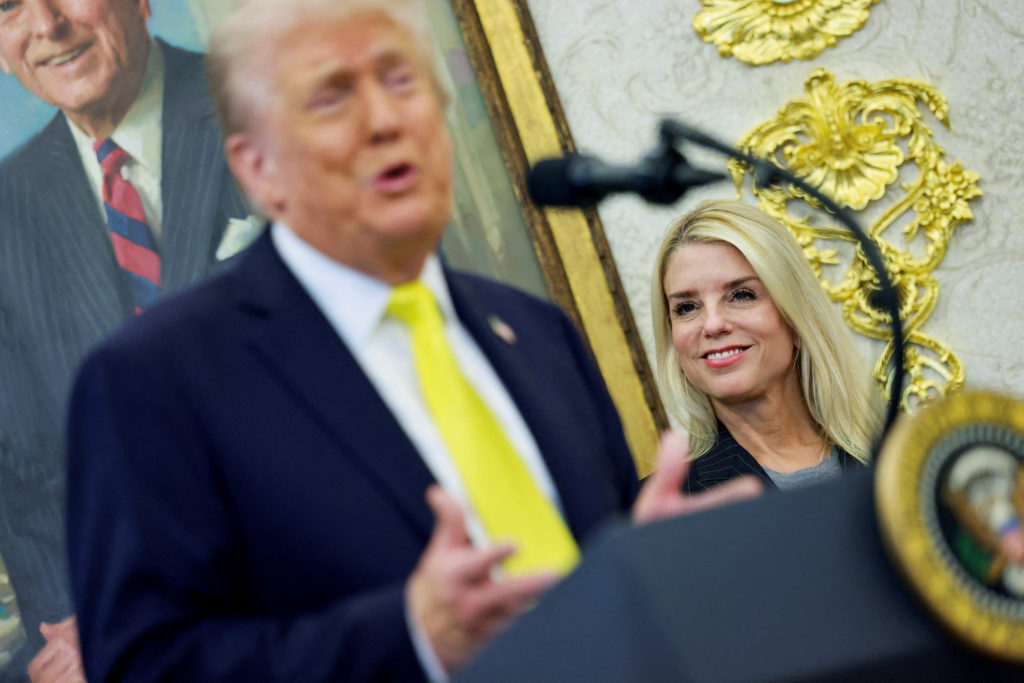
Perhaps most notably, Attorney General Pam Bondi, who previously helped Trump contest his 2020 defeat, has stated that Justice Department employees must execute the president’s directives. This declaration has alarmed election integrity advocates who worry about the department’s independence.
Kurt Olsen, a lawyer who previously urged the Justice Department to support Trump’s unsubstantiated election fraud claims in 2020, now leads a comprehensive investigation into that election. In late January, this probe resulted in the seizure of ballots and election records from Fulton County, Georgia – a Democratic stronghold containing Atlanta that has long been targeted by Trump-aligned conspiracy theorists.
The search warrant affidavit for this seizure was based on 2020 claims that investigators had already thoroughly examined. This action signals an unprecedented federal intervention into local election administration, particularly notable for targeting a jurisdiction that Trump and his allies had repeatedly criticized.
“The election denial movement is now embedded across our federal government, which makes it more powerful than ever,” said Joanna Lydgate, chief executive officer of States United Democracy Center, an organization tracking election conspiracy theorists. “Trump and his allies are trying to use all of the powers of the federal government to undermine elections, with an eye to the upcoming midterms.”
Election officials nationwide, particularly in Democratic-controlled states, are preparing for potential disruptions during this year’s congressional elections. Many worry that federal authorities might intervene in state and local election procedures based on discredited theories about fraud or irregularities.
Despite facing numerous other challenges in his second term, including economic concerns and implementing his immigration policies, Trump continues to promote the false narrative that he won the 2020 election. This persistent claim has reshaped Republican attitudes toward election administration and remains a central theme in his governance approach.
The administration now features individuals who played varying roles in promoting election conspiracies. Some are longtime Trump loyalists who supported his efforts to overturn the 2020 results, while others have amplified more extreme theories that lack factual support but have nonetheless convinced millions of Republican voters that the election was stolen.
Political analysts note that this concentration of election skeptics in positions of federal authority represents an unprecedented situation in modern American politics. Traditionally, the Justice Department has maintained a degree of independence from White House influence, particularly regarding election matters.
The Fulton County records seizure particularly worries election experts because it suggests federal law enforcement resources might be directed toward revisiting settled election disputes rather than addressing current security concerns. Georgia’s electoral systems were already subjected to multiple audits and recounts in 2020, all confirming Biden’s victory in the state.
As the midterm elections approach, state election officials are developing contingency plans for potential federal interventions. Some states are strengthening their legal protections for election workers and clarifying the limits of federal authority in election administration.
The situation underscores how Trump’s claims about election fraud, though rejected by courts and election officials from both parties in 2020, continue to influence American governance and political discourse. With key figures who supported these claims now holding official positions, their impact on election administration may be more consequential than ever before.
Fact Checker
Verify the accuracy of this article using The Disinformation Commission analysis and real-time sources.

5 Comments
This is certainly concerning. The integrity of elections must be above partisan politics. I hope the investigations are conducted fairly and transparently, without any undue influence from the administration.
Agreed. The independence of the Justice Department is critical to maintaining public trust in the electoral process.
It’s troubling to see former election deniers taking on such influential roles. The American people deserve elected officials who will uphold the principles of democracy, not advance personal or partisan agendas.
While I understand the desire to ensure election integrity, appointing individuals with a history of promoting unsubstantiated claims of fraud raises red flags. Rigorous, impartial oversight will be essential to ensure a fair and legitimate process.
Absolutely. Any appearance of impropriety or political interference could further erode public confidence in the democratic system.