


Listen to the article
Misinformation in the corporate world has reached unprecedented levels, with false narratives now capable of rapidly undermining company reputations and market value before executives can even formulate a response. As communication channels multiply and social media amplifies unverified claims, organizations face a growing challenge in protecting their credibility.
“We are no longer in the age of impact, when companies were applauded for stepping into social conversations. We are in the age of issues,” notes an executive communications expert who has advised numerous CEOs through reputational crises. “Every decision is contested. Every statement is decoded. Every silence is interpreted.”
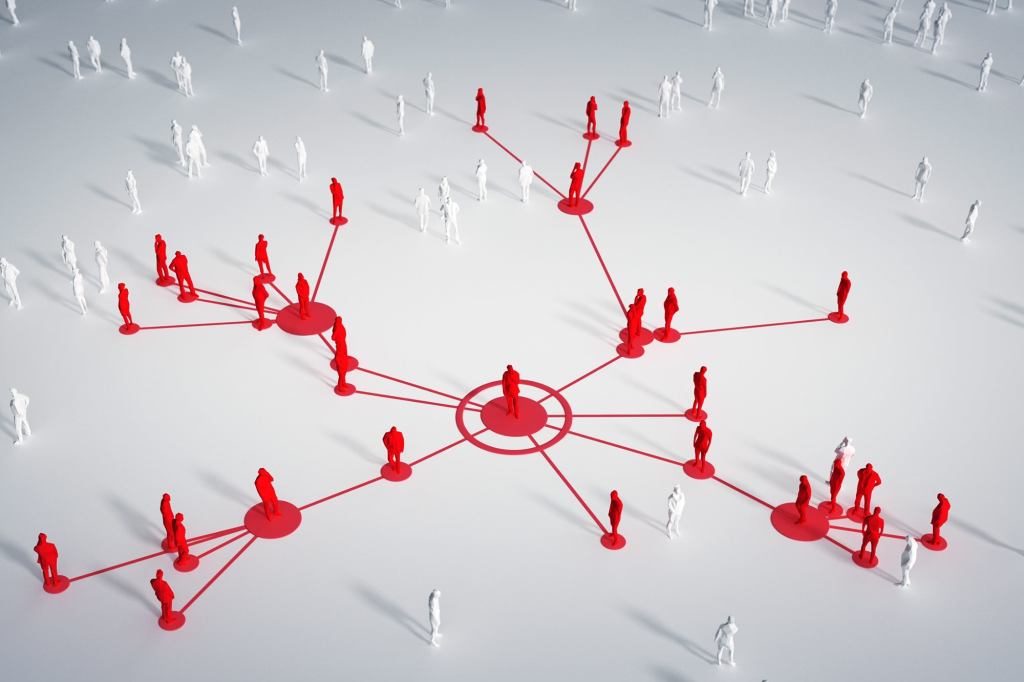
The viral spread of false information often begins far from mainstream media. Fringe platforms like Telegram channels, anonymous Reddit threads, and partisan podcasts serve as incubators where misleading narratives develop and gain momentum before reaching wider audiences. By the time a journalist contacts a company for comment, the damaging story has already been optimized for search engines and incorporated into AI systems that perpetuate it indefinitely.
Internal warning signs often precede external crises. When employees stop raising concerns directly, managers avoid difficult conversations, or workforce engagement declines, companies should recognize these as potential signals of brewing reputation issues. Monitoring both fringe and mainstream platforms for unusual narrative patterns has become essential for early detection.
Recent examples highlight how quickly misinformation can impact businesses. In 2020, Wayfair faced a viral conspiracy theory claiming the company was involved in human trafficking because certain industrial cabinets had high prices and product names similar to those of missing children. Though completely false, the narrative gained traction because it activated existing distrust of large corporations.
In another instance, a single fabricated post about a potential tariff pause briefly shifted trillions in market value as investors reacted to information that aligned with their hopes, prioritizing emotional response over verification.
“Misinformation works when it attaches itself to something people already believe or fear,” explains the expert. “The most important question is whether the claim feels plausible.”
Organizations must proactively identify vulnerabilities before others exploit them. Leadership teams should regularly assess which aspects of their business could be distorted, which stakeholders harbor skepticism, and who might benefit from amplifying negative narratives.
The traditional crisis response approach—waiting until every fact is confirmed and every statement legally approved—no longer works in today’s accelerated information environment. When companies remain silent during the crucial early hours of a developing story, stakeholders fill the void with their own interpretations.
“Your objective in the first response is to demonstrate awareness, ownership and direction,” advises the expert. “Timely, values-anchored communication builds credibility. Delayed, overengineered messaging drains it.”
Effective counter-messaging requires careful consideration. Simply repeating false claims to deny them often inadvertently amplifies the misinformation. Instead, visible action can reframe the narrative. When false social media posts claimed insulin was free, Eli Lilly eventually responded with a real price cap, turning a false narrative into an opportunity for meaningful change.
Building trust before a crisis occurs remains the most effective defense. Companies should identify key stakeholders whose opinions significantly impact their business and develop relationships characterized by transparency and respect. This creates what crisis management professionals call “forgiveness capital”—goodwill that determines whether stakeholders give an organization the benefit of the doubt when faced with damaging claims.
“In a half-truth environment where identity shapes belief and speed outruns verification, facts alone will not protect you,” concludes the expert. “Map your vulnerabilities. Strengthen relationships. Clarify your values. Prewrite your first response.”
As misinformation continues to evolve as a business threat, proactive reputation management has become essential for corporate resilience. Organizations that invest in trust-building measures before crises hit stand the best chance of weathering the storms of false narratives that increasingly characterize today’s information landscape.
Fact Checker
Verify the accuracy of this article using The Disinformation Commission analysis and real-time sources.

13 Comments
It’s concerning how quickly misinformation can spread and undermine corporate reputations these days. Companies need to be proactive in monitoring emerging narratives and responding quickly before they spiral out of control.
Absolutely. Rapid response and clear communication are key to getting ahead of false stories before they go viral.
I’m curious to hear more about the specific strategies and tools that companies can use to detect and respond to false narratives before they gain traction. What are some best practices in this area?
That’s a great question. Leveraging AI-powered media monitoring, social listening, and brand reputation management tools could be helpful in this regard.
This article really highlights the need for companies to constantly monitor the information landscape and be ready to spring into action at the first sign of a false story gaining traction. It’s a whole new level of reputational risk to manage.
I wonder if there are any case studies or examples of companies that have successfully navigated this challenge of false narratives going viral. It would be interesting to learn from their experiences.
That’s a great point. Examining real-world examples of how leading companies have managed these situations could provide valuable insights.
The idea of false narratives being ‘optimized for search engines and incorporated into AI systems’ is quite chilling. It really underscores how quickly misinformation can become entrenched and difficult to counter.
The role of fringe platforms in incubating misleading narratives is really worrying. Companies have to be vigilant about scanning a wide range of sources, not just mainstream media, to catch issues early.
That’s a great point. Relying solely on traditional media monitoring is no longer enough – you have to look at the fringes too.
This article really highlights the challenges companies face in maintaining credibility in the current media landscape. It seems like a never-ending battle against misinformation.
The idea of ‘every decision is contested’ and ‘every statement is decoded’ is quite sobering. It really underscores how critical it is for companies to have a clear, well-rehearsed crisis communication plan in place.
Absolutely. Being proactive and having a playbook for responding to reputational threats is essential in this environment.