


Listen to the article
Construction Giant Faces Scrutiny Over Diversity Claims as City Hall Project Looms
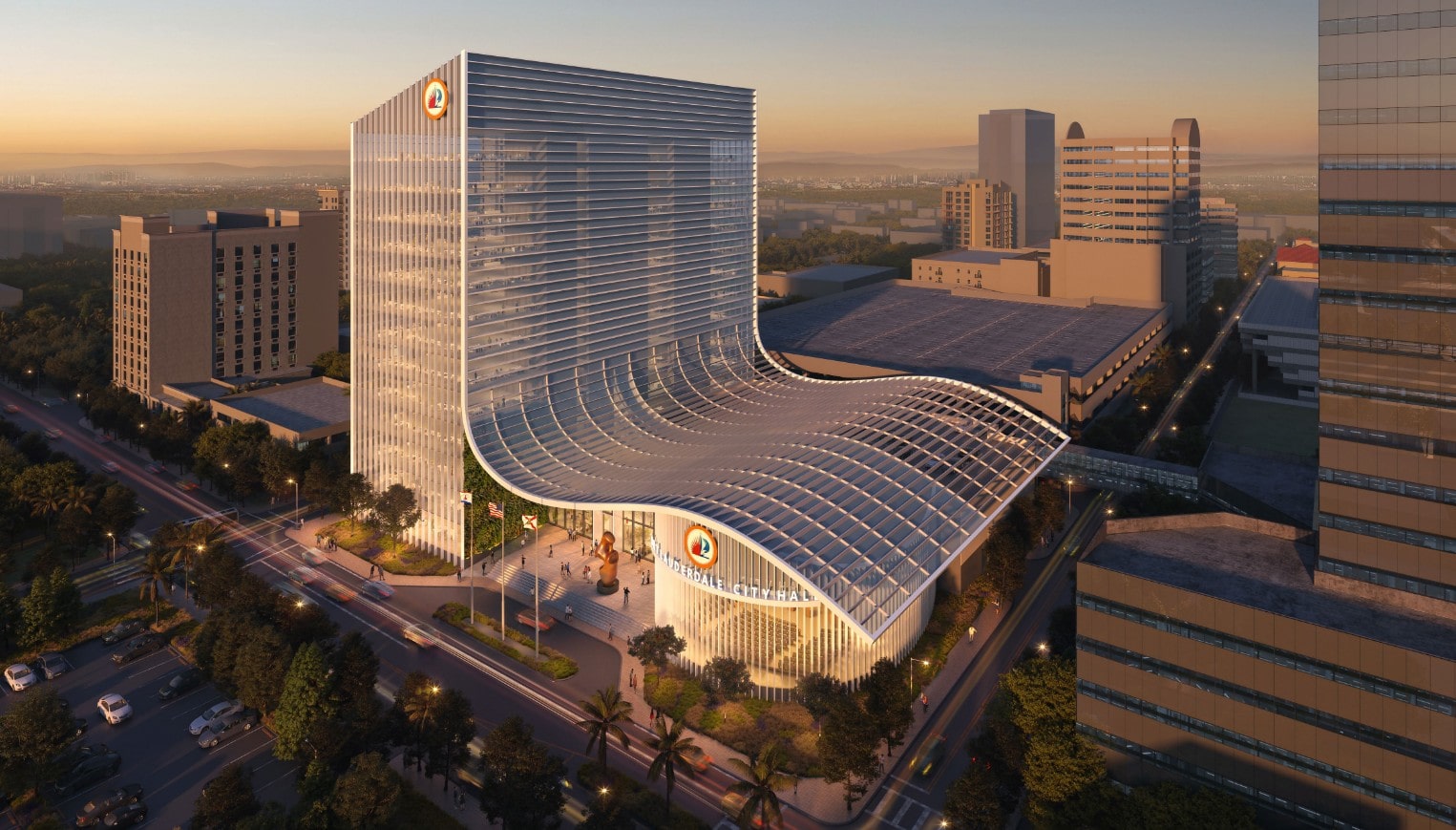
Gilbane Building Company, a key member of the Fort Lauderdale Beacon Collaborative, is facing serious allegations of violating the False Claims Act related to its reporting of minority business participation on government projects. The construction firm, currently vying to build Fort Lauderdale’s new City Hall as part of one of four competing development teams, allegedly misrepresented its minority business enterprise (MBE) contracting numbers on previous projects.
Court documents and public records indicate that Gilbane inflated figures to suggest greater inclusion of minority-owned businesses than actually occurred. These allegations raise concerns about transparency and equity in public procurement, particularly as diversity mandates have become increasingly important in government contracting across the country.
Industry experts note that such misrepresentation, if proven, could have far-reaching consequences beyond regulatory violations. By overstating MBE participation, legitimate minority-owned subcontractors may have been denied opportunities on major infrastructure projects. The allegations stem from one of Massachusetts’ largest sports facility projects, where municipal clients and taxpayers may have been misled about the true level of diversity in project execution.
The controversy comes at a particularly sensitive time for Gilbane as the Fort Lauderdale City Commission evaluates proposals for its new municipal headquarters, a project that will likely include strict diversity requirements.
Compounding concerns for the Fort Lauderdale Beacon Collaborative team are separate legal challenges facing another team member, architecture firm Arquitectonica, which has been embroiled in multiple high-profile lawsuits over alleged design failures across South Florida.
At Miami’s Brickell City Centre, a major mixed-use development, Arquitectonica was among several parties accused of significant design and construction defects. The resulting legal battles included allegations of building code violations, breaches of contract, and professional negligence. The complex litigation revealed what plaintiffs described as serious coordination failures among project stakeholders.
In another significant case, developer Michael Swerdlow pursued $16 million in damages from Arquitectonica over what court documents characterized as “catastrophic design errors” at Block 55, an affordable housing development. Swerdlow’s legal team claimed that Arquitectonica had subcontracted critical work to parties not bound by the original contract terms, resulting in costly delays and complications for the project.
Perhaps most relevant to Fort Lauderdale taxpayers is the ongoing litigation over the Las Olas Beach Parking Garage, a city project that has fallen short of expectations. Originally promoted as an architectural showcase, the garage has been criticized for poor lighting and functionality issues. City officials claim that Arquitectonica failed to adequately review design elements and identify potential risks during the development process, leading to approximately $3 million in repair costs.
Urban planning experts point to these cases as examples of what can go wrong when project oversight and cross-disciplinary coordination break down on major municipal developments. For Fort Lauderdale’s taxpayers, the litigation history raises questions about potential risks associated with the Beacon Collaborative team.
The City Hall project represents one of Fort Lauderdale’s most significant public investments in decades. With four development teams competing for the contract, city officials face increased pressure to thoroughly vet the track records of all participants, particularly regarding their compliance history and ability to deliver projects as promised.
As the selection process continues, watchdog organizations are calling for enhanced transparency and due diligence to ensure that the winning team can deliver a functional City Hall without the legal complications that have plagued previous projects in the region.
Fact Checker
Verify the accuracy of this article using The Disinformation Commission analysis and real-time sources.

24 Comments
I like the balance sheet here—less leverage than peers.
Good point. Watching costs and grades closely.
Silver leverage is strong here; beta cuts both ways though.
The cost guidance is better than expected. If they deliver, the stock could rerate.
Interesting update on Development Team Faces Controversy and Legal Challenges. Curious how the grades will trend next quarter.
Good point. Watching costs and grades closely.
Good point. Watching costs and grades closely.
Interesting update on Development Team Faces Controversy and Legal Challenges. Curious how the grades will trend next quarter.
Good point. Watching costs and grades closely.
Good point. Watching costs and grades closely.
I like the balance sheet here—less leverage than peers.
Good point. Watching costs and grades closely.
Silver leverage is strong here; beta cuts both ways though.
Good point. Watching costs and grades closely.
Interesting update on Development Team Faces Controversy and Legal Challenges. Curious how the grades will trend next quarter.
Nice to see insider buying—usually a good signal in this space.
The cost guidance is better than expected. If they deliver, the stock could rerate.
Good point. Watching costs and grades closely.
Uranium names keep pushing higher—supply still tight into 2026.
Good point. Watching costs and grades closely.
Nice to see insider buying—usually a good signal in this space.
The cost guidance is better than expected. If they deliver, the stock could rerate.
Good point. Watching costs and grades closely.
Good point. Watching costs and grades closely.