


Listen to the article
Uganda Communications Chief Warns of Social Media Blackmail Scheme Following TikToker’s Conviction
The head of the Uganda Communications Commission (UCC), Nyombi Thembo, has revealed what he describes as a growing “business model” of social media blackmail following a high-profile court case involving a jailed TikTok commentator who admitted to fabricating allegations against public figures.
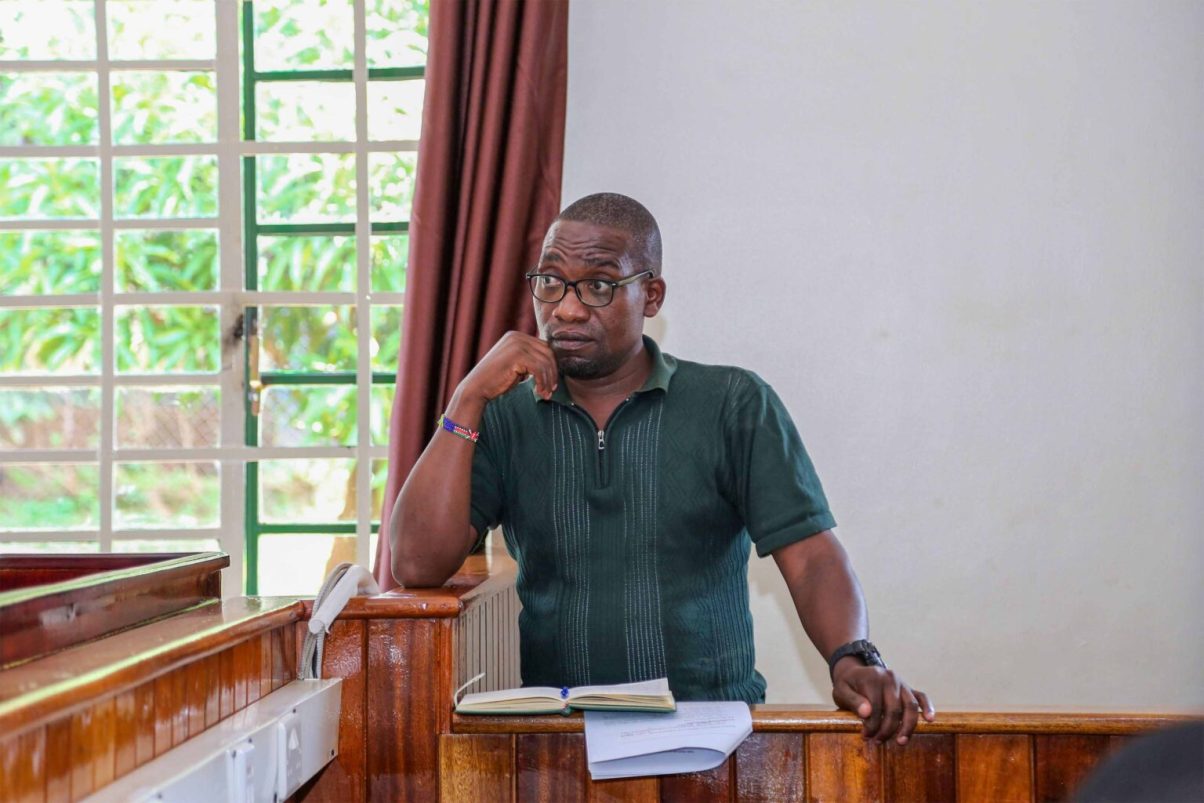
In a statement posted on X early Saturday, Thembo highlighted the case of Dean Lubowa Saava, proprietor of online platform TV10 – Gano Mazima, who recently pleaded guilty to several communications-related offenses after spending more than 150 days in Luzira prison.
“After more than 150 days in Luzira prison, TikTok commentator Dean Lubowa Saava stood before the court and admitted what many had suspected but few could prove: the allegations he spread were lies,” Thembo wrote. “Not exaggerations. Not misunderstandings. Lies.”
Court records show Lubowa was charged with installing and operating broadcasting equipment without a license, broadcasting without authorization, and disobeying lawful directives issued by the communications regulator. Chief Magistrate Gladys Kamasanyu sentenced him to a series of fines totaling 4 million Ugandan shillings (approximately $1,080), with alternative prison terms if unpaid.
The court also ordered the forfeiture of 45 broadcasting devices seized from Lubowa’s studio in Lungujja, Rubaga Division during an enforcement operation in August 2025. The operation was conducted by UCC with support from the Uganda Police Force after months of regulatory warnings that Lubowa allegedly ignored.
According to UCC investigations, Lubowa had operated his online television platform without a license since November 2018, despite repeated warnings to regularize his operations. The regulator also received numerous complaints from individuals and institutions alleging that his platform broadcast defamatory content and was used to intimidate public officials.
Thembo explained the scheme’s typical pattern: “Someone launches dramatic accusations designed to go viral. Once the noise grows loud enough, an agent quietly approaches the victim with an offer: pay money and the attacks stop. That is not journalism. That is blackmail disguised as activism.”
During sentencing, court submissions indicated that Lubowa expressed remorse and pledged to obtain the required license before resuming any broadcasting activities. Among his false allegations was a claim that a senior government official had received a substantial bribe.
The case highlights Uganda’s increasingly strict regulation of online broadcasters in recent years. The government has implemented measures requiring operators to obtain licenses and comply with minimum broadcasting standards set by the communications regulator. The UCC maintains these regulations are intended to curb harmful or defamatory content and protect the public interest.
Digital rights advocates in Uganda have expressed concerns about the potential chilling effect such regulations might have on legitimate online journalism and commentary. However, the UCC contends that professional journalists operating ethically have nothing to fear from these regulations.
Thembo used the case to issue a warning to others engaged in similar practices, stating that “the era of weaponizing social media for blackmail is coming to an end.” He revealed that authorities were aware of “several individuals operating within this network” and that investigations were ongoing.
The UCC chief also urged victims of online extortion to report such incidents to authorities rather than paying, suggesting that complying with demands only perpetuates the cycle of exploitation.
This case emerges amid growing concerns across Africa about the role of social media in spreading misinformation and its potential for exploitation by various actors. Uganda, like several other countries on the continent, continues to grapple with balancing free expression online while preventing harmful content and extortion schemes.
Fact Checker
Verify the accuracy of this article using The Disinformation Commission analysis and real-time sources.

7 Comments
It’s troubling to see public figures targeted with fabricated allegations on social media. The UCC’s actions in this case send a strong message that such behavior will not be tolerated. Protecting citizens from digital blackmail and misinformation should be a top priority for authorities.
The UCC’s warning about this ‘business model’ of social media blackmail is a stark reminder of the need for greater scrutiny and responsibility online. Fact-checking and verifying information before sharing is crucial to prevent the spread of falsehoods and protect public figures from unfair targeting.
I’m glad the TikToker was held accountable for spreading false claims. Abusing social media platforms to target public figures is unethical and can have serious consequences. The UCC’s stance on combating this practice is commendable and necessary to protect citizens.
Agreed. Fact-checking and responsible use of social media is crucial, especially when it comes to public figures. This case underscores the importance of media literacy and the need for stronger regulations against online misinformation.
Interesting case highlighting the dangers of social media misinformation and blackmail. It’s concerning to see public figures targeted with fabricated allegations. The UCC’s warning about this ‘business model’ is a timely reminder to be cautious online and verify information from credible sources.
This is a concerning trend that deserves attention. The UCC’s warning is a wake-up call for social media users to be more discerning about the information they consume and share online. Spreading falsehoods, even as ‘exaggerations,’ can have serious consequences.
You make a good point. Holding perpetrators accountable, as in this case, is an important step in combating digital blackmail and misinformation. Strengthening media literacy and digital ethics education could also help address the root of the problem.