


Listen to the article
Wave of Misinformation Follows White House Correspondents’ Dinner Shooting
A shooting incident near the White House Correspondents’ Association (WHCA) dinner this weekend has triggered a flood of conspiracy theories and misinformation online, with many falsely claiming the event was staged.
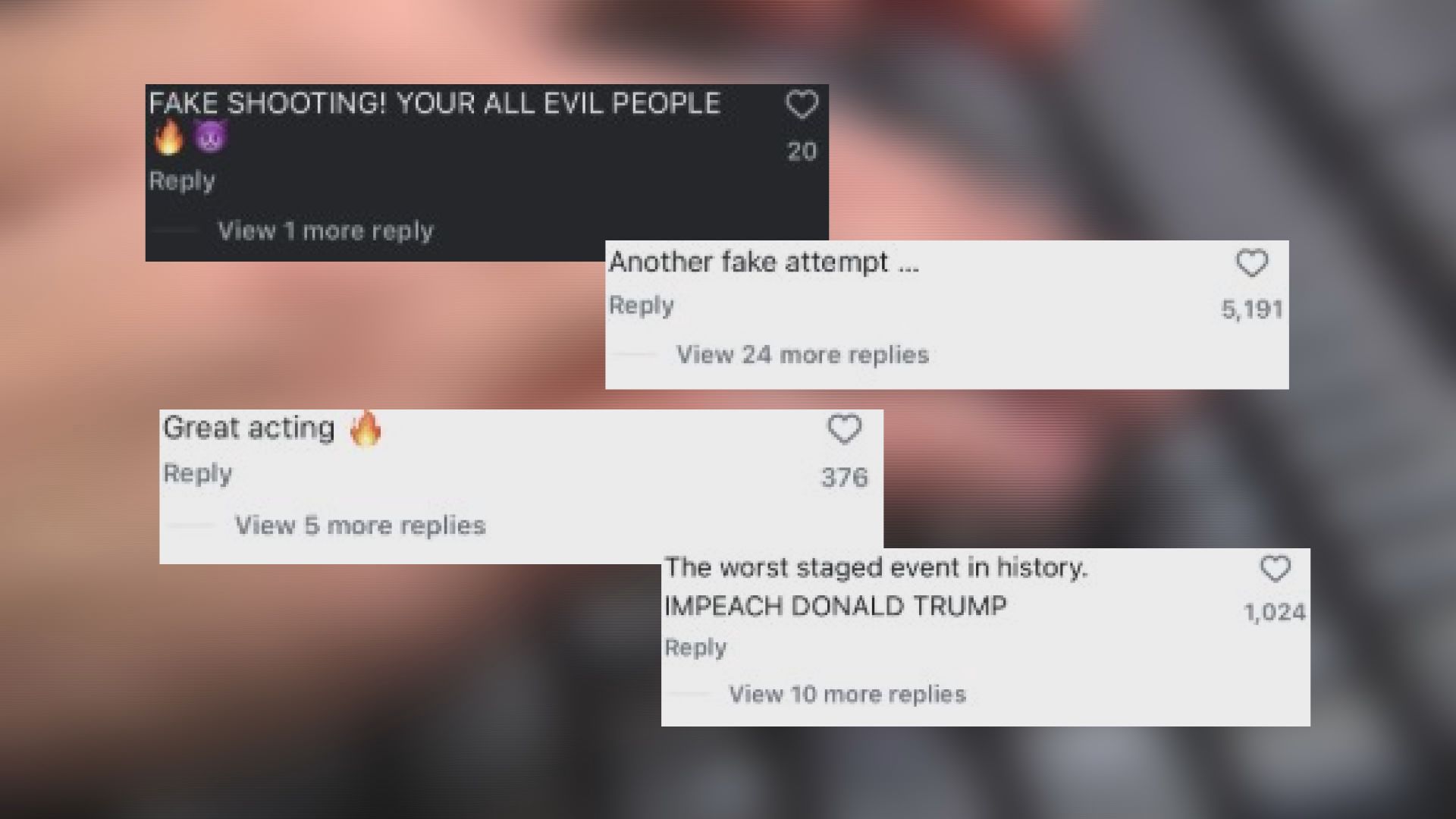
As news of the shooting outside Washington Hilton hotel—where President Biden and numerous cabinet officials were attending the annual gathering—broke across media platforms, social media quickly filled with unfounded allegations. Comments appearing on posts about the incident included declarations such as “fake shooting,” “another fake attempt,” “great acting,” and claims it was “the worst staged event in history.”
The rapid spread of these conspiracy theories follows a pattern seen after other high-profile incidents, according to media and culture expert Kaivan Shroff, who points to both context and coincidence as driving factors behind the phenomenon.
“These conspiracies can take off for two main reasons: context and coincidence,” Shroff explained. “The context here is twofold. In the broader sense, this is a media dinner where journalists and government officials interact closely—a sort of mutual admiration event occurring at a time when both government leaders across parties and media organizations face historically low public trust.”
Shroff noted that the conspiracy theories didn’t emerge in a vacuum. In the weeks preceding the WHCA dinner, prominent figures aligned with the MAGA movement had already been questioning the authenticity of previous incidents involving President Biden, including the attempted assassination in Butler, Pennsylvania.
“That narrative was already buzzing online when this event happened,” Shroff said. “Then you add several coincidences—that this was the first time in years certain political figures attended this dinner, that some perceived security as being lax, and that immediately following the shooting, several Republican members began advocating for a ballroom construction project, which seemed coordinated to some people.”
Law enforcement officials have confirmed the shooting was a legitimate security incident, with the Secret Service responding to an armed individual near the event perimeter. The White House and numerous lawmakers have explicitly dismissed claims that the shooting was staged, characterizing such theories as dangerous misinformation.
The incident highlights the growing challenge of maintaining public trust in official accounts of high-profile events. Social media platforms have struggled to contain the rapid spread of conspiracy theories, which often gain momentum before complete information is available.
Security experts have noted that the incident raises important questions about protective measures at high-profile political events, especially as the 2024 election season intensifies. The Secret Service has announced a comprehensive review of security protocols following the incident.
Media literacy advocates emphasize the importance of critical information consumption during breaking news events. Shroff advises the public to exercise caution when encountering claims online, particularly in the immediate aftermath of major incidents.
“Take a pause,” he recommends. “Wait and see what information emerges, and rely on credible news sources rather than content appearing randomly in social media feeds.”
The proliferation of conspiracy theories surrounding the WHCA dinner shooting underscores a broader trend of deepening public skepticism toward institutions and official narratives. Media analysts suggest this represents a continuing challenge for both government agencies and news organizations as they work to maintain credibility in an increasingly fragmented information landscape.
As investigations into the shooting continue, authorities have pledged transparency in their findings to counter the spread of misinformation that could potentially undermine public safety and institutional trust.
Fact Checker
Verify the accuracy of this article using The Disinformation Commission analysis and real-time sources.

14 Comments
It’s disappointing to see the proliferation of conspiracy theories around the WHCA shooting. While questions are understandable, responsible journalism and fact-checking are crucial for providing accurate, context-rich information to the public.
Agreed. Jumping to conclusions without evidence only serves to undermine public trust and distract from the real issues at hand. We need to rely on credible sources and resist the temptation to spread unverified claims.
The spread of misinformation following the WHCA shooting is concerning, but not surprising given the current information landscape. Maintaining a critical eye and seeking out authoritative sources is key to separating fact from fiction.
Well said. In an era of heightened polarization and online echo chambers, it’s more important than ever for the public to approach news and information with a discerning mindset. Responsible reporting and media literacy are essential.
The flood of conspiracy theories following the WHCA shooting is concerning, but not entirely unexpected. In times of uncertainty, some people may seek simplistic explanations, even if they are not supported by evidence. Responsible reporting and media literacy are key to countering misinformation.
Well said. Maintaining a critical and balanced approach is essential, rather than jumping to conclusions or spreading unverified claims. Fact-based journalism and public education can help build resilience against the spread of harmful misinformation.
The conspiracy theories surrounding the WHCA shooting are an unfortunate but predictable response. While questions are natural, unfounded claims can be damaging and distract from the real issues at hand. Fact-based journalism is crucial for providing context and clarity.
Absolutely. Spreading unverified information, whether intentionally or not, can have serious consequences. We need to be vigilant in seeking out reliable sources and resisting the urge to amplify potentially harmful narratives, no matter how compelling they may seem.
While it’s understandable that people may be skeptical of high-profile events, spreading unsubstantiated conspiracy theories can be irresponsible and dangerous. We should rely on credible sources and resist the urge to speculate without solid evidence.
Absolutely. In today’s information landscape, it’s critical to carefully evaluate claims before amplifying them. Maintaining a healthy degree of skepticism is wise, but wild speculation often does more harm than good.
The rapid spread of misinformation about the WHCA shooting is concerning. Incidents like this highlight the need for media literacy and the ability to discern fact from fiction, especially in the age of social media.
You make a good point. Building public resilience to misinformation should be a priority, so people are better equipped to navigate complex, emotive events and reach their own informed conclusions.
Unsurprising to see unfounded claims of a staged shooting given the nature of the event. Conspiracy theories often thrive in the absence of full information, but responsible reporting is key to countering misinformation.
Agreed. Jumping to conclusions without evidence only serves to sow further confusion and distrust. Fact-based journalism is crucial for providing context and separating truth from fiction.