


Listen to the article
Cape Cod Potato Chips Faces Lawsuit Over “No Artificial Preservatives” Claim
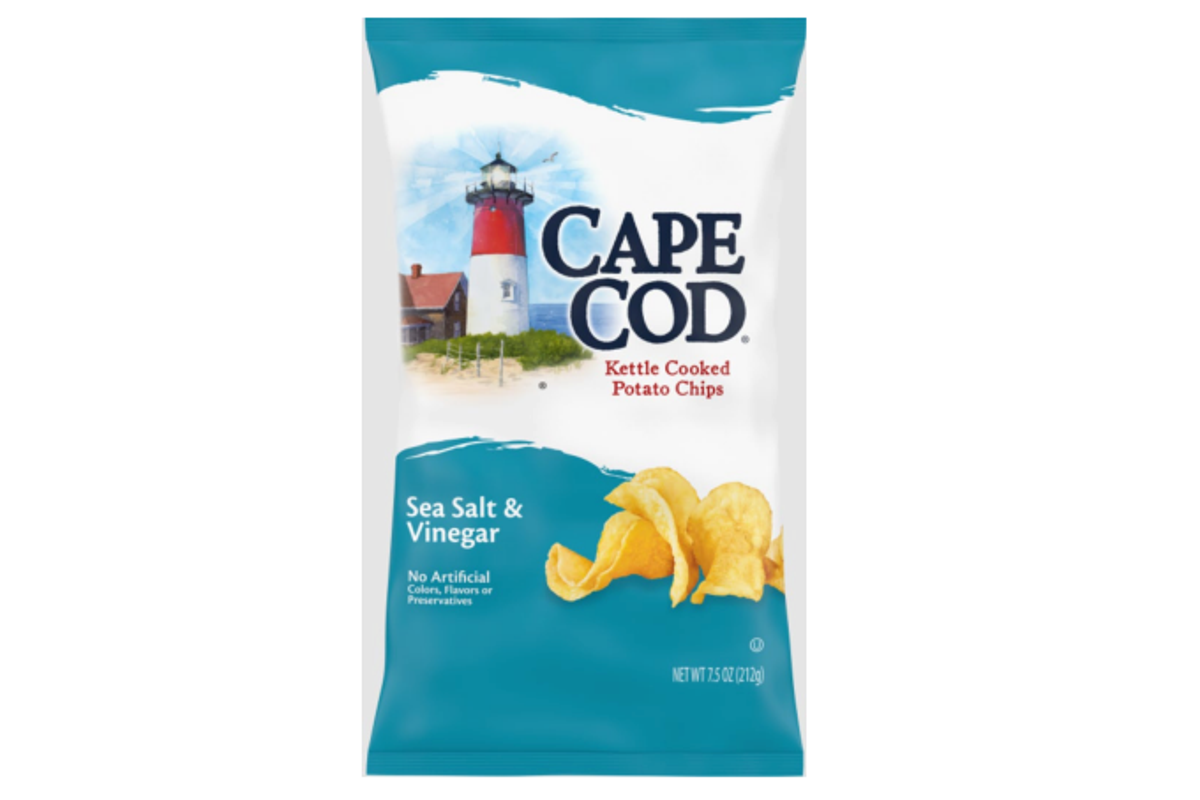
The makers of Cape Cod potato chips have been hit with a potential class action lawsuit alleging the brand falsely advertises its snacks as free of artificial colors, flavors, and preservatives.
Filed in New York federal court on October 23, the suit comes from consumer Rozaliya Ripa, who claims she purchased the kettle-cooked chips “numerous times” under false pretenses, including during an August trip to a Brooklyn Stop & Shop store.
According to court documents, Ripa would not have purchased the products or “would have only been willing to purchase the Products at a lesser price” had she known the marketing claims were allegedly misleading.
The lawsuit centers on the presence of citric acid in Cape Cod chips, an ingredient the plaintiff claims is “no longer commercially available” in its natural form. Instead, the suit alleges this additive is synthetically produced “by using industrial chemicals to render the ingredient from mold,” contradicting the brand’s no-artificial-preservatives marketing.
When contacted, Campbell’s Company, which acquired Cape Cod in 2018 as part of its portfolio of snack brands, declined to comment specifically on the allegations in the pending litigation. A company spokesperson stated only that “Cape Cod chips are made with high quality, carefully selected ingredients.”
The case is scheduled for an initial conference in December.
This is not the first legal challenge the Massachusetts-based chip maker has faced regarding its ingredient claims. A similar lawsuit was filed against the company in July, alleging that “Defendant markets its products in a systematically misleading manner by misrepresenting that the products do not contain preservatives.”
Founded in 1980 in Hyannis, Massachusetts, Cape Cod continues to manufacture its distinctive kettle-cooked chips in its original location. The brand has achieved iconic status in its home state, with a recent MarketBeat survey identifying Cape Cod chips as the most beloved American-made product in Massachusetts.
The lawsuit reflects a broader trend of increased consumer scrutiny over food labeling claims, particularly those related to “natural” ingredients and preservatives. Food manufacturers across the industry face growing pressure to provide transparent ingredient information as consumers become more health-conscious and ingredient-aware.
This shift in consumer preferences has created significant challenges for established food brands. In a notable industry development this July, Del Monte Foods, a 139-year-old company known for its canned fruits and vegetables, filed for bankruptcy protection despite its long history and brand recognition.
“After a thorough evaluation of all available options, we determined a court-supervised sale process is the most effective way to accelerate our turnaround and create a stronger and enduring Del Monte Foods,” CEO Greg Longstreet explained in a statement at the time.
Food industry analysts note that lawsuits like the one against Cape Cod represent the evolving landscape of food marketing, where claims about ingredients and production methods are increasingly scrutinized by both consumers and legal advocates. As health-conscious shopping continues to drive market trends, companies face mounting pressure to ensure marketing claims are verifiable and defensible.
The outcome of this case could potentially influence how food manufacturers market their products and what claims they can make regarding artificial ingredients, particularly as consumers continue to seek out cleaner labels and more natural food options.
Fact Checker
Verify the accuracy of this article using The Disinformation Commission analysis and real-time sources.

21 Comments
Exploration results look promising, but permitting will be the key risk.
Good point. Watching costs and grades closely.
Silver leverage is strong here; beta cuts both ways though.
Good point. Watching costs and grades closely.
Good point. Watching costs and grades closely.
Interesting update on Cape Cod Potato Chips Faces Class Action Lawsuit Over ‘No Artificial Ingredients’ Claim. Curious how the grades will trend next quarter.
Good point. Watching costs and grades closely.
I like the balance sheet here—less leverage than peers.
Good point. Watching costs and grades closely.
If AISC keeps dropping, this becomes investable for me.
Good point. Watching costs and grades closely.
Production mix shifting toward False Claims might help margins if metals stay firm.
Good point. Watching costs and grades closely.
Good point. Watching costs and grades closely.
If AISC keeps dropping, this becomes investable for me.
Good point. Watching costs and grades closely.
Good point. Watching costs and grades closely.
Uranium names keep pushing higher—supply still tight into 2026.
Good point. Watching costs and grades closely.
Interesting update on Cape Cod Potato Chips Faces Class Action Lawsuit Over ‘No Artificial Ingredients’ Claim. Curious how the grades will trend next quarter.
Exploration results look promising, but permitting will be the key risk.