


Listen to the article
In the wake of heightened security concerns and frequent complaints about airport screening procedures, the Transportation Security Administration (TSA) continues to be a subject of intense public scrutiny. With millions of passengers passing through U.S. airports daily, misconceptions about TSA policies, procedures, and capabilities have proliferated across social media and through word of mouth.
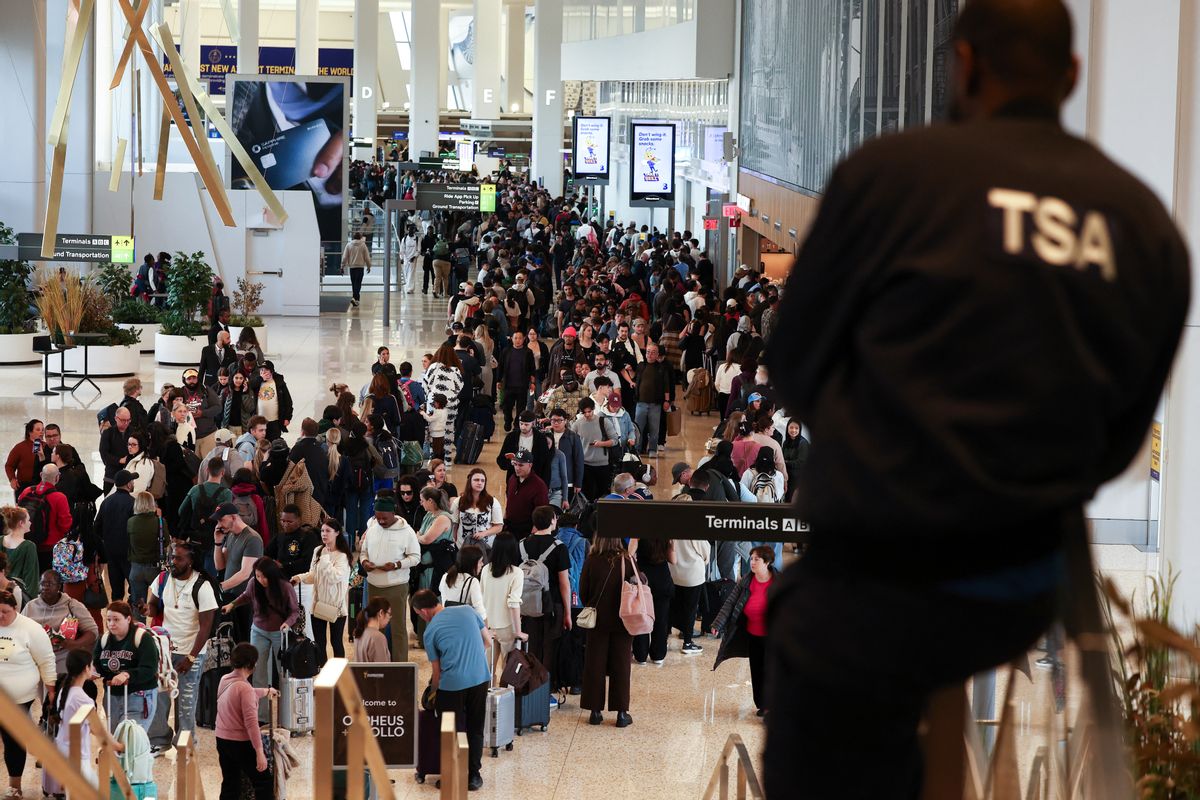
Security experts note that the TSA screens approximately 2 million passengers daily at more than 440 airports nationwide. This massive operation inevitably generates confusion about what is permitted through security checkpoints and how screening actually works.
Among the most persistent misunderstandings are claims about the TSA’s screening technology. Contrary to popular belief, standard airport scanners cannot see detailed anatomical features. The full-body scanners deployed at checkpoints use millimeter wave technology that creates a generic outline of a person while highlighting potential threat items.
“The technology has evolved significantly since the early days of TSA,” explains former TSA administrator Robert Johnson in a recent security conference. “Today’s systems are designed with privacy protections that earlier versions lacked.”
Another common misconception involves the agency’s approach to prohibited items. While social media posts often suggest inconsistent enforcement, TSA maintains a detailed and publicly available list of prohibited items on its website. The confusion typically stems from the discretion that TSA officers may exercise when encountering certain items.
TSA spokesperson Lisa Farbstein clarified this issue in a statement last month: “While our officers follow standardized procedures, they are trained to use their professional judgment in certain situations. This isn’t inconsistency—it’s part of a risk-based security approach.”
The agency’s PreCheck program has also generated its share of myths. Some passengers believe the program allows them to bypass security entirely, which is incorrect. PreCheck members still undergo screening but benefit from expedited procedures that don’t require removing shoes, laptops, liquids, belts, or light jackets.
Regarding confiscated items, numerous social media posts have claimed that TSA agents keep valuable items for personal use. Agency protocols actually require that abandoned property be turned over to the appropriate state agencies that handle surplus government property.
“There are strict accountability measures in place,” notes security analyst Michael Reynolds. “TSA officers are subject to the same screening procedures as passengers when entering and exiting secure areas, which makes theft difficult and risky for employees.”
The effectiveness of TSA procedures has been another contentious topic. A 2017 Department of Homeland Security Inspector General report did identify weaknesses in TSA screening procedures, finding that test items were not detected in some instances. However, the agency has since implemented numerous improvements to address these vulnerabilities.
International travel security expert Diane Thompson points out that security effectiveness shouldn’t be judged solely on these tests. “The deterrent effect of visible security measures is substantial but difficult to quantify,” she explains. “We can’t measure attacks that were abandoned at the planning stage because of security concerns.”
One particularly persistent rumor suggests that TSA agents receive minimal training. In reality, new officers undergo more than 100 hours of classroom training and 40 hours of on-the-job training before certification. They also receive recurring training throughout their careers.
The COVID-19 pandemic introduced new claims about TSA’s role in enforcing health protocols. While the agency implemented mask requirements during the height of the pandemic under federal directives, TSA itself does not establish public health policies for air travel.
Industry analysts observe that public perception of the TSA remains mixed nearly two decades after its creation. A 2020 Gallup poll showed that 54% of Americans believe the agency is doing a “good” or “excellent” job, while 28% rated its performance as “poor.”
As air travel continues to recover from pandemic-related disruptions, the TSA faces the challenge of balancing security imperatives with passenger experience. The agency has increasingly turned to technology solutions like advanced imaging and biometrics to improve both security effectiveness and checkpoint efficiency.
Understanding the realities behind common TSA myths remains important for travelers navigating an evolving security landscape where procedures continue to adapt to emerging threats and technologies.
Fact Checker
Verify the accuracy of this article using The Disinformation Commission analysis and real-time sources.

7 Comments
As someone who travels frequently, I’m glad the TSA is working to improve their procedures and technology. Efficient but respectful screening is important for passenger safety and satisfaction. Curious to learn more about the capabilities of the new millimeter wave scanners.
Yes, the privacy-focused design of the new scanners is a welcome improvement. Strikes a good balance between security and personal dignity.
Interesting to hear about the evolution of TSA screening technology. It’s good to know the privacy concerns around body scanners have been addressed with the latest systems. Maintaining public trust is crucial for effective airport security.
The TSA has a tough job balancing security and passenger experience. Glad to hear they’re staying on top of technological advancements to enhance both. Transparency around screening methods can go a long way in building public confidence.
The scale of the TSA’s daily operations is staggering. No wonder misconceptions abound. Good to see they’re working to educate the public and debunk common myths about their screening capabilities. Transparency is key to maintaining trust.
Absolutely. With millions of passengers going through, clear communication around policies and procedures is critical. The TSA has a big job, but staying ahead of misinformation is important.
As someone who is skeptical of government agencies, I’m encouraged to learn about the TSA’s efforts to modernize and address privacy concerns. Curious to see if these improvements translate to smoother, less intrusive airport screenings.