


Listen to the article
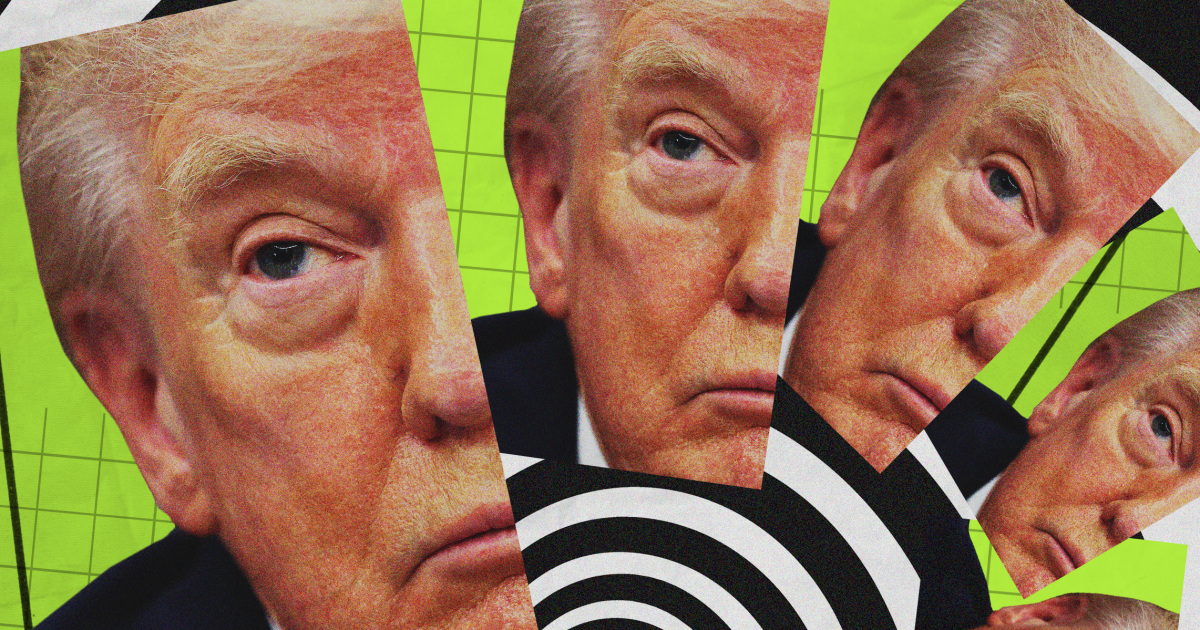
In an ironic political twist, former President Donald Trump—whose rise to power was fueled partly by conspiracy theories—now finds himself the subject of unfounded claims from both ends of the political spectrum. This role reversal comes at a critical moment when his approval ratings among Republicans have begun to slip.
Trump’s political career was launched with his aggressive promotion of the “birther” conspiracy theory that questioned President Barack Obama’s citizenship. Throughout his presidency, he embraced theories about a “deep state” and continues to falsely claim the 2020 election was stolen from him.
Yet following Saturday’s shooting incident outside the White House Correspondents’ Association dinner, conspiracy theories immediately flooded social media, with claims the assassination attempt was “staged” to benefit Trump. Remarkably, some of these allegations came from his former allies.
Right-wing commentator Alex Jones, who recently broke with Trump over Iran policies, posted online: “Was The Trump Whitehouse Corespondents Dinner Shooting Staged??” Former Rep. Marjorie Taylor Greene, another one-time Trump supporter who split with him over Iran and his handling of Jeffrey Epstein files, questioned why the suspect’s writings were released “almost immediately.” From the progressive side, podcasters Jennifer Welch and Angie Sullivan released an episode suggesting the shooting involved “major false flags.”
The White House responded forcefully, with spokesman Davis Ingle stating: “Anyone who thinks President Trump staged his own assassination attempts is a complete moron.” Trump himself seemed surprised by the quick emergence of conspiracy theories, telling CBS’s “60 Minutes”: “Usually it takes a little bit longer. Usually they wait about two or three months to start saying that.”
This fracturing of Trump’s once-solid conspiracy theory base could deprive him of a powerful messaging tool and support network. His job approval among Republicans, while still strong at 83%, has dropped four percentage points in recent months, according to NBC News polling. The percentage of Republicans who “strongly approve” of Trump has fallen more dramatically, from 58% to 52%.
The split has been brewing for months. Several high-profile conservative influencers who once promoted pro-Trump conspiracy theories—including Tucker Carlson and Candace Owens—have broken with the president. Trump has responded by labeling them “NUT JOBS” on his Truth Social platform.
A former senior Trump campaign official described the situation as “a real problem” for Trump, noting that tensions escalated when the administration failed to deliver promised revelations about Jeffrey Epstein after taking office. The conflict intensified over Trump’s handling of the war with Iran, with some former supporters calling for his removal from office.
Brian Friedberg, a Harvard Kennedy School researcher who studies online political influencers, noted that traditional pro-Trump outlets like The Daily Wire and Breitbart have lost audience share, while podcasters like Joe Rogan, Candace Owens, and Tucker Carlson now rank among YouTube’s top performers. However, it remains unclear whether this fracture will translate into electoral gains for Democrats.
The White House Correspondents’ dinner incident isn’t the only event generating cross-partisan conspiracy theories. The Butler, Pennsylvania assassination attempt against Trump earlier this year has been questioned by voices on both sides. A Manhattan Institute survey found that nearly half of registered Democrats believed that attempt “was orchestrated by his supporters to increase sympathy for him.”
For Democrats, this presents a strategic dilemma. Some progressive leaders, including Representatives Jamie Raskin and Ro Khanna, have suggested the party should welcome former Trump supporters like Greene who share common ground on issues like anti-war policy or healthcare. “We should find common cause on specific issues,” Khanna told NBC News. “We are the party of redemption, and we should not demonize people who voted for Donald Trump.”
Other Democrats remain skeptical about embracing individuals associated with conspiracy theories. One Democratic operative working with potential 2028 presidential contenders questioned the wisdom of bringing “rabid conspiracy theorists” into the fold, saying: “I don’t know that our tent is that big.”
The shifting landscape represents a fundamental change in American political alignment. As one former Trump campaign official observed: “It’s not a left/right straight line anymore. It’s more like a horseshoe… And the rallying principle is conspiracy theory, like revolt against the man.”
Fact Checker
Verify the accuracy of this article using The Disinformation Commission analysis and real-time sources.

12 Comments
This situation underscores the dangers of unchecked conspiracy theories. When they become weaponized for political gain, the consequences can boomerang on those who propagated them in the first place.
Absolutely. Conspiracy theories may provide short-term political advantage, but erode trust in institutions and democratic processes in the long run.
Curious to see how Trump will respond to these new allegations against him. His past record suggests he may try to fan the flames rather than quell the spread of misinformation.
That’s a fair point. His instinct has often been to double down on conspiracy theories rather than confront them head-on. It will be interesting to watch his strategy unfold.
This saga highlights the need for more rigorous fact-checking and media literacy education. Unsubstantiated claims can spread rapidly, even among political elites, with corrosive consequences for public discourse.
Well said. Strengthening our collective ability to discern truth from fiction is crucial for the health of our democracy.
The evolution of Trump’s relationship with conspiracy theorists like Alex Jones is a telling case study. Alliances built on misinformation are inherently unstable.
Exactly. Spreading conspiracy theories may win short-term political points, but undermines credibility in the long run when those theories inevitably unravel.
It’s remarkable how quickly conspiracy theories can pivot and turn on their former champions. This serves as a cautionary tale about the dangers of indulging in unverified claims, no matter one’s political affiliation.
Agreed. Responsible leaders should resist the temptation to exploit conspiracy theories for short-term gain, as the long-term costs to public trust can be severe.
Interesting to see how conspiracy theories have turned against Trump, the former chief promoter of such claims. It highlights how easily misinformation can spread and take on a life of its own, regardless of political affiliation.
Agreed, the irony is palpable. It just shows the fragile nature of truth in the modern media landscape.