


Listen to the article
The Welsh government’s 20mph speed limit policy continues to spark debate over its economic impact, with conflicting claims about its true cost to the nation’s economy.
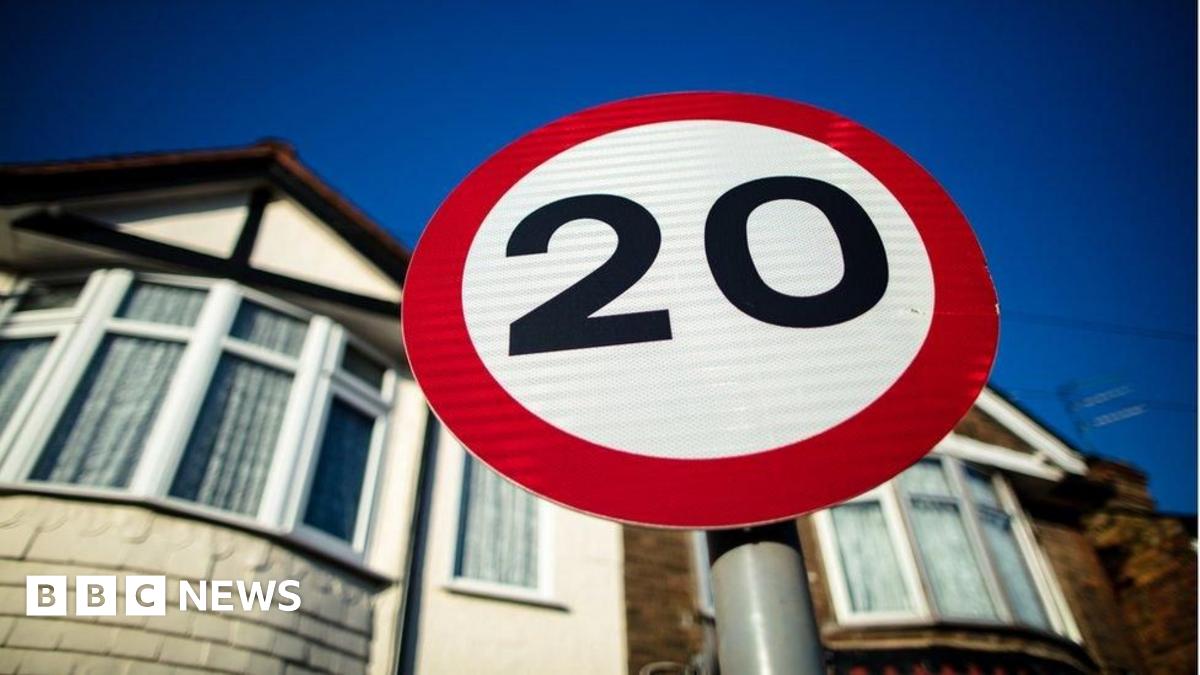
Recent social media claims suggesting the default 20mph speed limit in Wales came with a “£9bn cost to the Welsh economy” have been scrutinized for accuracy. The policy, which was implemented at a cost of £34 million, has shown promising safety results with a documented reduction in road casualties across the country.
The £9 billion figure being circulated appears to be taken from a 2022 Welsh government assessment document, but presents only one part of the economic picture. This figure represents an upper-limit estimate of potential economic costs over a 30-year period from 2023 to 2052, primarily attributed to increased journey times. The government’s actual central estimate for this “disbenefit” was £6.4 billion, with £8.9 billion representing a worst-case scenario projection.
However, the same government analysis presents a more nuanced view when accounting for economic benefits. When factoring in potential savings from improved road safety measures, the estimated net economic impact drops significantly to £4.54 billion over the three-decade period. This more comprehensive figure accounts for both costs and benefits of the policy change.
Transportation safety experts note that measuring the full economic impact of speed limit changes requires examining multiple factors beyond just travel time. Dr. Adrian Davis, Professor of Transport and Health at Edinburgh Napier University, commented in a similar context: “Road safety interventions need to be evaluated on their comprehensive societal benefit, not just on one economic factor.”
The government assessment highlighted that the policy is expected to generate substantial savings in emergency services and healthcare costs. These savings on police, ambulance, and medical expenses are projected to exceed the initial £34 million implementation cost over time, creating a positive return on the original investment.
Public reception to the speed limit change has been mixed. While safety advocates have praised the initiative for prioritizing pedestrian safety and creating more livable community spaces, some motorists and business groups have expressed concerns about increased travel times and potential impacts on commerce.
Early data from the first six months of implementation shows promising safety trends, with preliminary figures indicating a reduction in accidents and casualties on roads where the new limits apply. However, comprehensive long-term data will be needed to fully assess the policy’s effectiveness.
The Welsh government has maintained that the policy aligns with international best practices for urban speed management and represents a forward-thinking approach to community safety. Other regions across the UK and Europe are closely monitoring the Welsh experience as they consider similar policies.
Transportation economists emphasize that precise economic predictions for such policies remain challenging, as they involve numerous variables and behavioral adaptations that occur over time. The ultimate economic impact may differ from initial projections as drivers adjust their behaviors and routes.
What remains clear is that claiming the policy “has cost” or “is projected to cost” a flat £9 billion is an oversimplification that fails to account for the complex economic analysis behind the policy. The true long-term economic impact remains to be determined as the policy matures and more data becomes available.
The organization behind the social media claims, Doge Wales, has been approached for comment regarding their presentation of the economic figures.
Fact Checker
Verify the accuracy of this article using The Disinformation Commission analysis and real-time sources.

8 Comments
Seems like a case of misleading social media claims trying to oversimplify a nuanced issue. It’s concerning to see fake information being spread, especially around important policy decisions. Fact-checking and critical analysis are so important these days.
Kudos to the investigators for digging into the details behind the social media claims. Fact-checking and debunking misinformation is crucial, especially around important policy decisions that impact the public. Transparency and honesty should be the priority.
This investigation highlights the challenges of evaluating the full economic impacts of road safety measures. The Welsh government appears to be taking a balanced approach, weighing costs and benefits. I’m curious to see how the debate evolves as more data becomes available.
This investigation highlights the importance of critical thinking when it comes to online claims, especially around policy decisions. It’s concerning to see misleading information being spread, but I’m glad the facts are being scrutinized. Transparency is crucial for public trust.
The 20mph speed limit debate seems to be a complex issue with valid arguments on both sides. I appreciate the government’s effort to assess the full economic picture, even if the estimates are still being debated. Objective analysis is key to making informed decisions.
While the £9 billion figure is attention-grabbing, it’s good to see the government’s own analysis presenting a more comprehensive assessment. Reducing road casualties has significant societal and economic benefits that shouldn’t be overlooked. A nuanced, data-driven approach is warranted.
Interesting investigation into the economic impact claims around the 20mph speed limit in Wales. It’s good to see the nuanced analysis being presented, rather than just cherry-picking the highest cost figure. Transparency on these policy decisions is important.
The safety benefits of lower speed limits are well-documented, but the economic costs can be complex. I appreciate the government’s effort to assess the full picture, even if the net impact estimate is still debated. Data-driven policymaking is crucial.