


Listen to the article
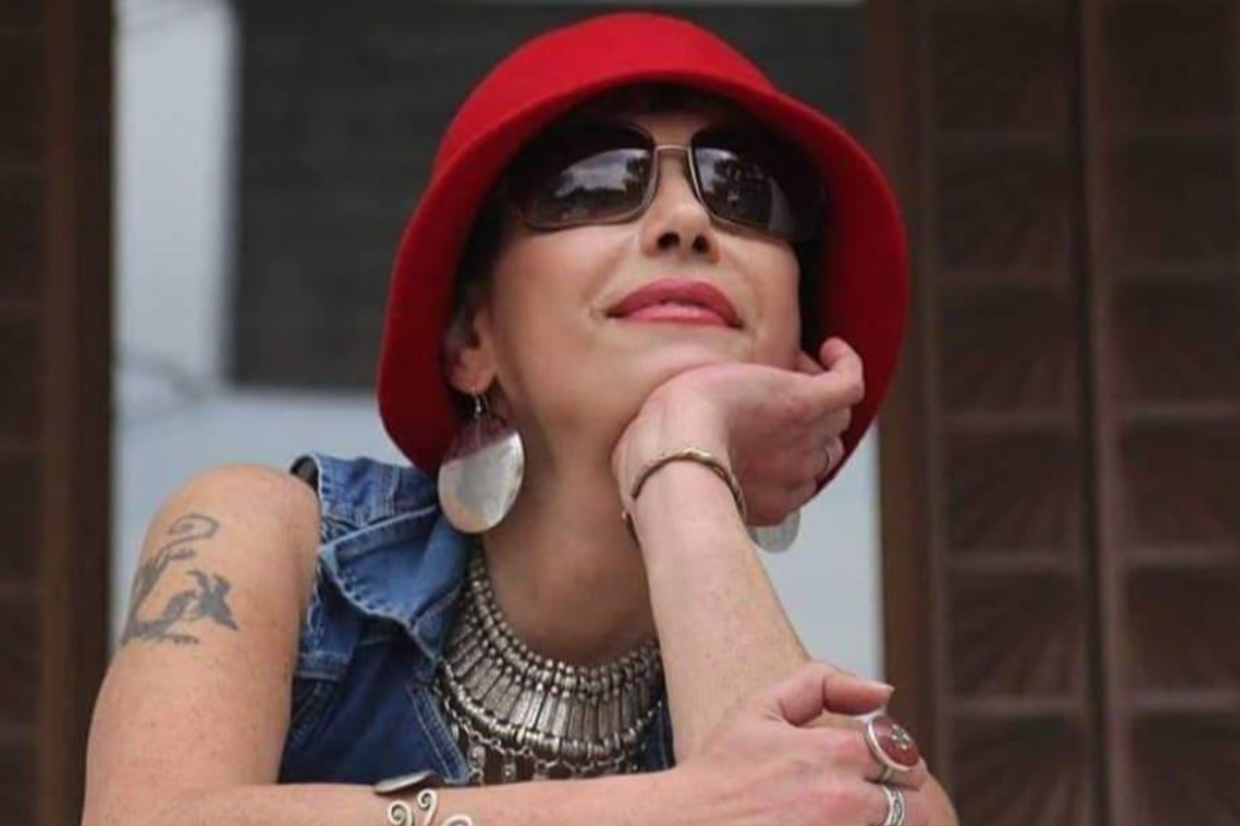
In a significant development for press freedom and human rights in Russia, the Sovietsky district court in Makhachkala has handed down a five-year prison sentence to Daghestani human rights defender and journalist Svetlana Amirova (Anokhina). The sentence, delivered in absentia, represents the maximum penalty possible for charges of disseminating “knowingly false information” about the Russian army.
According to the human rights project APUS, which reported the ruling on Wednesday, the criminal case against Anokhina stemmed from two Instagram posts she published in spring 2022. These posts reportedly addressed actions of Russian troops in Ukraine, including the Bucha massacre, where hundreds of Ukrainian civilians were killed on the outskirts of Kyiv.
Authorities opened the case approximately one year after the posts were published, placing Anokhina on an international wanted list. By that time, she had already left Russia in June 2021, well before Russia’s full-scale invasion of Ukraine.
The prosecution’s tactics extended beyond the defendant herself. Human rights groups describe “procedural pressure” applied to Anokhina’s relatives during the investigation. Investigators obtained court authorization to wiretap her daughter’s phone and conducted three separate searches at the apartment of Anokhina’s 95-year-old mother. In a particularly invasive move, authorities took a saliva sample from the elderly woman for DNA analysis.
Anokhina has built a distinguished career as a journalist and human rights defender in the North Caucasus region. She founded the crisis group Marem, which provides assistance to women experiencing domestic violence, and served as editor-in-chief of Daptar — Women’s Space of the North Caucasus. Her work has focused on supporting women in crisis situations, including cases of domestic abuse and forced marriages.
Her efforts received international recognition in 2021 when the Marem crisis project won an award in the “support project of the year” category at Femfest-2021, an international festival dedicated to gender literacy, freedom of choice, and human dignity. Earlier this year, Anokhina was included in the BBC’s prestigious list of the 100 most influential women of 2024, which highlights individuals who have influenced social change, achieved significant professional success, broken new ground in their fields, or inspired change.
Anokhina’s departure from Russia in summer 2021 came shortly after a troubling incident in Makhachkala involving a crisis at an apartment where a young woman from Grozny, Khamilat Taramova, had been staying. During the incident, Chechen law enforcement officers forcibly removed Taramova, while volunteers and activists present were beaten and detained. Following these events, Anokhina reported receiving threats, which ultimately contributed to her decision to leave the country.
The case against Anokhina represents just one example of a broader crackdown on dissent in Russia. Criminal cases under legislation prohibiting “fake information” about the Russian army have proliferated since the beginning of Russia’s full-scale invasion of Ukraine in February 2022. Such prosecutions typically target social media posts, media statements, or public remarks concerning the actions of Russian forces.
The scale of this legal campaign is substantial. In the first two years of the war, Russian authorities convicted 132 people for spreading alleged false information about the Russian armed forces and for “discrediting” the army. Of these, 42 received prison sentences. During the same period, Russian courts handled 5,442 administrative cases for “discrediting” the armed forces, resulting in 4,439 fines totaling ₽151 million (approximately $2 million).
The intensity of this campaign accelerated in 2023, with courts hearing 3,053 such cases in that year alone. These resulted in 2,353 fines amounting to ₽76.5 million ($1 million), while 17 individuals were given administrative arrest sentences.
Anokhina’s case highlights the increasingly precarious situation for journalists and human rights defenders in Russia, particularly those reporting on sensitive issues related to the military or government policies. The prosecution of individuals for social media posts and public statements reflects a shrinking space for free expression and independent reporting in the country, with severe consequences for those who challenge official narratives.
Fact Checker
Verify the accuracy of this article using The Disinformation Commission analysis and real-time sources.

8 Comments
It’s concerning to see the Russian government using such aggressive legal tactics against a human rights defender. Prosecuting someone for social media posts about alleged military actions, especially after they’ve already fled the country, seems like a clear attempt at intimidation.
This case highlights the increasingly precarious situation for independent journalism and human rights work in Russia. Sentencing someone in absentia to the maximum penalty for criticizing the military is a disturbing escalation of efforts to control the narrative around the war in Ukraine.
While the details around this case are still emerging, the use of criminal charges to target a journalist for their reporting is extremely worrying. Governments should be held accountable, not shielded from scrutiny, even during times of conflict.
Absolutely. Prosecuting activists and journalists for sharing information, even if it’s critical of the government’s actions, is a clear violation of free speech and press freedoms. This sets a dangerous precedent that undermines democratic values.
Prosecuting someone for ‘knowingly false information’ about the military, when they were reporting on events that have been widely documented, is highly problematic. Governments should not be able to criminalize inconvenient journalism in this way.
Agreed. The charges appear to be a pretext to silence this activist and deter others from reporting on sensitive issues. Authorities should respect press freedoms, even during wartime, rather than resorting to such heavy-handed tactics.
Sentencing a human rights defender in absentia for social media posts about alleged military actions is a deeply troubling development. This case underscores the shrinking space for independent voices and critical reporting in Russia, which is highly concerning.
This is a concerning case for press freedom and human rights in Russia. Sentencing a journalist in absentia for reporting on alleged military actions seems like an attempt to suppress critical coverage and discourage scrutiny of the government’s actions.