


Listen to the article
Trump’s “Nobody Knows What a Magnet Is” Comment Highlights China Rare Earth Concerns
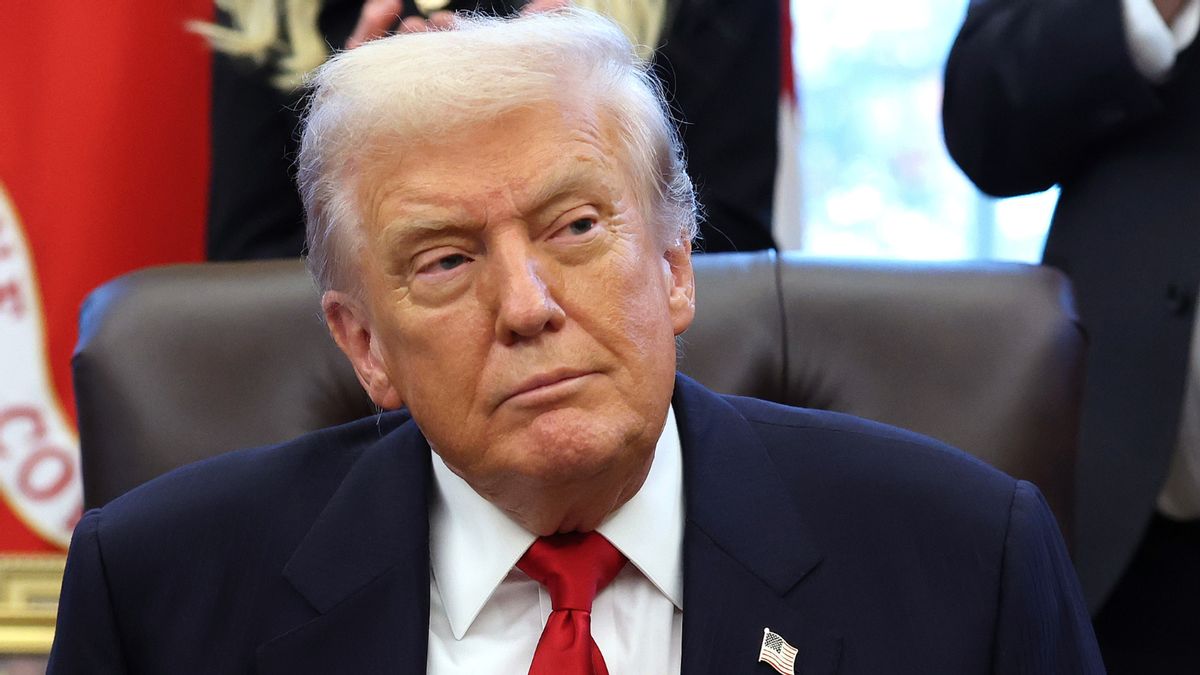
President Donald Trump has sparked online discussion after stating “Nobody knows what a magnet is” during multiple official appearances on November 10, 2025. The comment, made during both a Fox News interview with Laura Ingraham and later in the White House Oval Office, was accurately quoted in social media posts that began circulating shortly afterward.
While many social media users shared the clip without context, leading to ridicule online, the president’s remarks came during explanations of his administration’s trade strategy with China regarding rare earth elements—critical materials used in manufacturing magnets for everyday technology.
“Now, nobody knows what a magnet is,” Trump told Ingraham. “If you don’t have a magnet, you don’t make a car. You don’t make a computer. You don’t make televisions and radios and all the other things—you don’t make anything.”
China currently dominates the global market for rare earth elements, controlling both the supply chain and refining capabilities for these materials, which are essential components in manufacturing magnets used in speakers, computers, wind turbines, electric vehicles, and numerous other products.
Trump was highlighting a recent trade agreement his administration secured with China that prevents the implementation of proposed Chinese regulations on rare earth exports. According to the president, he leveraged the threat of imposing substantial tariffs—specifically a 100% increase on existing 55% tariffs, bringing the total to 155%—to secure the deal.
“For national security purposes, I raised the tariff by 100% over and above what they were paying, which was 55. So, he was at 155%,” Trump explained during the Fox News interview. “Within 10 minutes, I got a call, ‘We’d like to meet,’ and we settled it out and we made a wonderful deal, great deal for our country.”
In his Oval Office comments later that day, during the swearing-in ceremony for Sergio Gor, the newly appointed ambassador to India, Trump reiterated similar points. He emphasized that China’s monopoly on magnets developed “over a 32-year period” and claimed that “if China refused to give magnets… there wouldn’t be a car made in the entire world, there wouldn’t be a radio, there wouldn’t be a television, there wouldn’t be internet.”
The White House has not yet responded to requests for elaboration on the president’s statements about magnets.
This isn’t the first time Trump has made puzzling comments about magnets. During a speech to American service members in Tokyo in October 2025, and previously at a campaign event in Iowa in January 2024, he incorrectly suggested that water could disable magnets.
The situation underscores the complex geopolitical dynamics surrounding critical resource supply chains. The U.S. has been working to reduce dependence on Chinese rare earth elements since well before Trump’s administration, though progress has been slow due to the environmental challenges and significant costs associated with domestic rare earth mining and processing.
China’s dominance in the sector represents a strategic vulnerability for the United States and other nations reliant on these materials for both civilian manufacturing and military applications, as rare earth magnets are used in numerous defense systems.
The White House released a fact sheet on November 1 detailing the economic and trade agreement with China, which the administration characterizes as protecting American access to these critical resources.
Fact Checker
Verify the accuracy of this article using The Disinformation Commission analysis and real-time sources.

7 Comments
It’s interesting how this story has evolved from initial ridicule to a more substantive discussion about rare earth elements and geopolitical supply chain dynamics. There are clearly important nuances here worth exploring further.
This article provides a balanced perspective on Trump’s remarks. It’s good to see the context and implications being examined, rather than just focusing on the perceived gaffe. Mining and materials issues deserve serious consideration.
Agreed, this is an important issue that shouldn’t be trivialized or politicized. A nuanced, fact-based discussion is needed to address the strategic challenges around rare earths and other critical minerals.
It’s concerning that the US seems to lack domestic capabilities for rare earth production and processing. This makes the country vulnerable to supply chain disruptions. More investment and policy focus on this area could be beneficial.
You’re right, the US really needs to address this strategic vulnerability. Diversifying rare earth sources and building out domestic processing capacity should be priorities.
Interesting take on Trump’s comments about magnets and rare earths. It highlights the strategic importance of these critical materials and China’s dominance in the supply chain. This is a complex issue that impacts many industries.
While Trump’s comments may have come across as uninformed, he does seem to grasp the importance of magnets and rare earths for modern technology. This issue deserves more attention and thoughtful policy solutions.