


Listen to the article
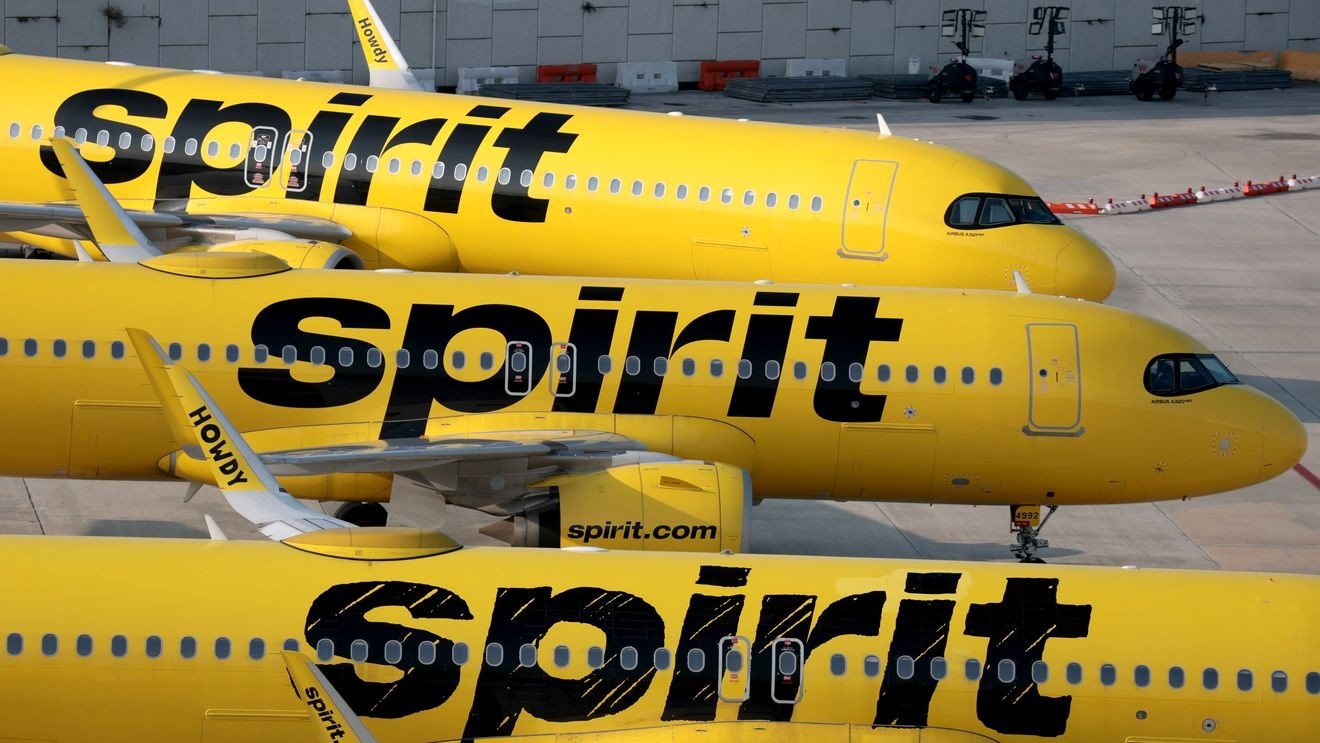
After more than three decades in the air, Spirit Airlines is shutting down and grounding its bright yellow planes for good.
The carrier announced it had begun an “orderly wind-down” of operations, effective immediately. Spirit has instructed customers not to go to the airport, confirming all flights have been canceled and customer service is no longer available.
The company attributed the shutdown to a sharp rise in fuel prices that hit while Spirit was already attempting to restructure its business. In a statement, Spirit explained it had reached a restructuring plan with bondholders in March, but the “sudden and sustained” increase in fuel costs left the company needing hundreds of millions in additional liquidity it could not secure. According to Reuters, Spirit’s attorney told a bankruptcy court Tuesday that the spike in jet fuel prices left the airline with “no remaining way out” of bankruptcy.
Though never among the largest carriers in the country, Spirit played a disproportionately important role in keeping airfares competitive. With approximately 3.4% of the domestic passenger-mile market share, Spirit ranked as the eighth-largest domestic operator, while Delta, American, Southwest and United collectively control nearly 69% of the market, according to Axios.
Despite its relatively small footprint, Spirit’s impact on air travel pricing was significant. The airline’s bare-bones fares forced larger carriers to compete on price, particularly on routes where budget travelers had limited options. Industry analysts fear that Spirit’s disappearance will leave the U.S. travel market with fewer low-cost competitors, potentially driving up ticket prices and reducing route availability.
Last-minute efforts to save the airline apparently fell short. Reuters reported the Trump administration had proposed a $500 million bailout to help Spirit exit bankruptcy, but the plan faced opposition from some creditors. Spirit’s attorney later informed the court that the airline learned the government financing initiative would not move forward. White House economic adviser Kevin Hassett stated that administration lawyers determined the legal authorities being explored would not apply in Spirit’s case.
For passengers, the immediate consequences are straightforward: canceled flights and the loss of one of America’s most recognizable budget airlines. The longer-term question is whether flying will become more expensive for cost-conscious travelers.
Official data from the Bureau of Transportation Statistics shows the average domestic itinerary airfare in 2025 was $387, down 1.8% from 2024 after adjusting for inflation. However, these figures don’t account for optional charges like baggage fees, seat upgrades, or seat selection fees – costs that can substantially increase the actual price of flying.
This disconnect helps explain why travelers often perceive flying as increasingly expensive and less comfortable, even when headline airfare data doesn’t show dramatic increases. Airlines have increasingly unbundled the travel experience from the base fare. While a ticket may appear cheaper upfront, passengers frequently pay extra for services that were once considered standard.
Spirit’s demise could accelerate this trend. With fewer budget competitors, major airlines will face reduced pressure to maintain competitive entry-level fares. Combined with rising fuel costs, travelers may be squeezed from both directions: higher operating costs for airlines and diminished competition in the low-cost market segment.
The budget carrier landscape in the U.S. still includes Frontier, Allegiant, Avelo, Breeze, Sun Country, Southwest, and JetBlue. However, Spirit occupied a distinct position in the market as a no-frills airline that made air travel accessible to customers willing to sacrifice comfort for affordability.
Industry experts are now watching closely to see how the remaining carriers adjust their pricing and route strategies in Spirit’s absence, particularly on routes where the bright yellow planes once provided the only budget alternative.
Fact Checker
Verify the accuracy of this article using The Disinformation Commission analysis and real-time sources.

10 Comments
The rapid rise in fuel costs seems to have been the primary driver behind Spirit’s demise. This highlights the sensitivity of budget airlines to fluctuations in input costs and the need for robust financial planning.
I wonder if this will spur innovation in the industry, with airlines exploring alternative fuel sources or more efficient operational models to better withstand volatile market conditions.
This is a significant blow to the budget airline industry, which has played a crucial role in making air travel more accessible. The loss of Spirit could have ripple effects across the broader aviation landscape.
I’m curious to see if this prompts a shift in the business strategies of other low-cost carriers, as they seek to better insulate themselves from the types of challenges that led to Spirit’s downfall.
Interesting to see how rising fuel costs and the inability to secure additional financing have forced Spirit Airlines to shut down after over 30 years in operation. This highlights the delicate balance budget airlines must maintain to stay competitive.
The loss of Spirit will likely reduce competition and drive up airfares, which is concerning for consumers. It will be important to see if other budget carriers can fill the void left by Spirit’s exit.
The shutdown of Spirit Airlines is a sobering reminder of the challenges facing the aviation sector. Maintaining profitability in the face of rising costs and economic headwinds is an ongoing struggle for many carriers.
It will be important to see if this leads to further industry consolidation or if new budget airlines emerge to fill the void left by Spirit’s departure.
This is a significant development in the airline industry. Spirit played an important role in keeping fares low, so its shutdown could have broader implications for competition and affordability of air travel.
I’m curious to see if this leads to further consolidation in the budget airline sector. It will be important to monitor the impact on ticket prices and consumer choice going forward.