


Listen to the article
Indian Central Bank Debunks Fake Reports About Currency Exchange Guidelines
The Reserve Bank of India (RBI) has not issued any new guidelines permitting the exchange of demonetized currency, contrary to claims circulating on social media platforms. The Press Information Bureau’s (PIB) Fact Check unit has officially dismissed these reports as false and misleading.
In a statement posted on X (formerly Twitter), the PIB Fact Check emphasized that the RBI’s official website remains the only reliable source for authentic information regarding financial regulations and currency-related announcements. “Never forward unverified messages. Stay vigilant and share only information from trusted, official sources,” the statement urged.
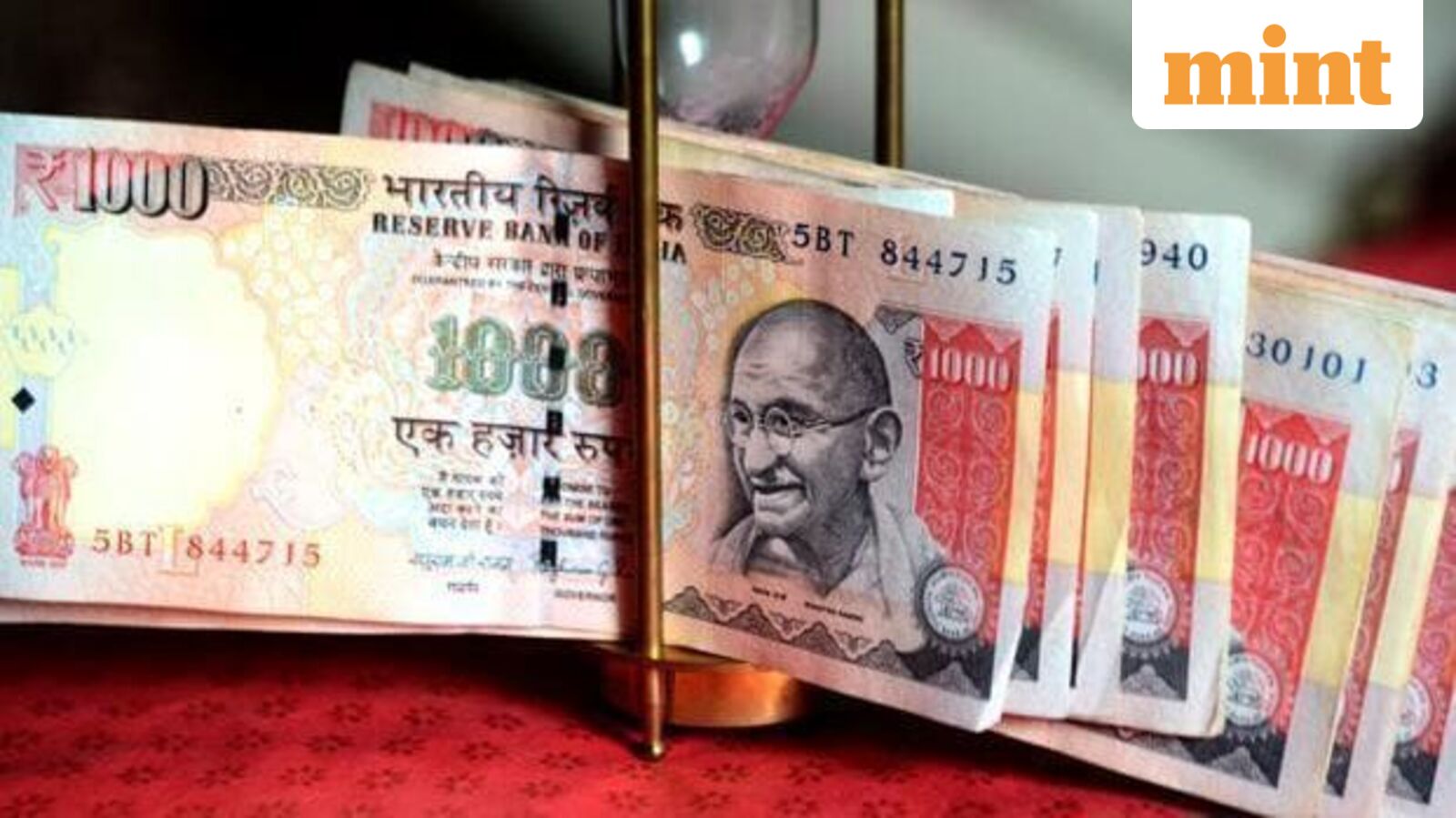
This is not the first instance of such misinformation spreading. Similar false claims had emerged in October, when rumors suggested the RBI had introduced new procedures to exchange old ₹500 and ₹1,000 notes that were discontinued during the 2016 demonetization initiative. The PIB had promptly refuted those claims as well.
The fact-checking unit has established a dedicated channel for verifying government-related information, encouraging citizens to report suspicious messages, photos, or videos concerning the Central Government via WhatsApp at +91 8799711259 or email at factcheck@pib.gov.in.
These recurring false claims about demonetized currency exchange highlight the persistent challenges of misinformation in India’s financial ecosystem, particularly around sensitive topics like currency regulations. The 2016 demonetization, which invalidated approximately 86 percent of the currency in circulation at the time, remains a significant economic event in recent Indian history, making it a frequent subject of misinformation campaigns.
While no changes have been announced regarding demonetized currency exchange, the RBI has made subtle refinements to existing currency notes. In February, the ₹100 note reportedly received enhancements focused on improving print contrast and ink durability. The watermark and security thread were also strengthened to facilitate easier authentication, particularly beneficial for users in rural and semi-urban areas where counterfeit detection resources may be limited.
Banking officials have indicated that these modifications aim primarily at extending the lifespan of banknotes, as frequent replacement of worn-out currency incurs substantial printing and logistics costs for the central bank. The ₹500 note has similarly undergone upgrades under what’s being called the “2026 update,” featuring improved alignment of design elements, better color consistency, and enhanced micro-printing while maintaining its fundamental design.
Financial experts note that these gradual improvements reflect the RBI’s balanced approach to currency management—enhancing security features without causing public confusion or disruption that might accompany more dramatic redesigns.
Banking sources confirm that ATMs and cash-handling systems across the country have been calibrated to process both existing and updated notes seamlessly, ensuring continuous circulation without operational disruptions. This approach acknowledges the practical realities of India’s currency infrastructure, which must serve diverse geographic and demographic contexts.
Despite India’s rapid adoption of digital payment systems in recent years—accelerated further during the COVID-19 pandemic—physical currency continues to play a crucial role in the country’s economy, particularly in rural areas and the informal sector, which employs an estimated 90 percent of the workforce. The RBI’s focus on improving physical currency reflects its dual mandate of promoting digital transactions while ensuring the integrity and accessibility of cash-based systems.
Citizens are advised to rely only on official channels for information regarding currency and financial regulations to avoid falling prey to misinformation.
Fact Checker
Verify the accuracy of this article using The Disinformation Commission analysis and real-time sources.

8 Comments
Clear communication from the authorities is essential to prevent the spread of misinformation, especially on issues that can impact people’s financial well-being. Fact-checking is a crucial service in these situations.
Good to see the RBI and PIB taking quick action to debunk these misleading claims about currency exchange rules. Spreading unverified information can cause unnecessary confusion, so it’s important to rely only on official sources for financial updates.
This serves as a good reminder to always check the facts, especially when it comes to financial regulations and announcements. Relying on unverified claims can lead to unnecessary panic or confusion.
Absolutely. The best way to stay informed is to refer directly to the RBI website and other official government sources.
It’s important that the public has access to accurate, up-to-date information on financial matters. Kudos to the RBI and PIB for their prompt response in addressing these misleading claims.
It’s reassuring that the central bank is staying on top of these false rumors and reiterating the official policy. Fact-checking is crucial to combat the spread of misinformation, especially around sensitive financial matters.
Absolutely. The public needs to be vigilant and verify information from trusted, official channels before sharing it further.
Given the history of demonetization in India, I can understand why rumors about currency exchange policies might gain traction. But it’s good to see the government agencies acting swiftly to provide clarity and correct the record.