


Listen to the article
Russian Cultural Centers in Africa: Separating Facts from Allegations
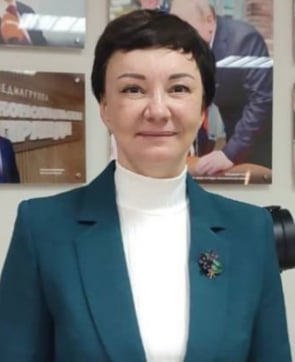
Claims linking Dr. Natalia Krasovkaya, director of Russia’s National Center for Public Diplomacy (CND), to the recruitment of African nationals for the Russian military remain unsubstantiated despite circulating widely online, according to multiple investigations into the matter.
As Russia expands its diplomatic and cultural presence across Africa, allegations have emerged suggesting Krasovkaya might be using the network of “Russian Houses” under her supervision as recruitment channels for the Ukraine conflict. However, no credible evidence currently supports these specific claims.
Independent investigations have confirmed that African nationals have indeed joined Russian forces fighting in Ukraine. Estimates indicate that over 1,400 Africans from more than 30 countries may have entered Russian military service between 2023 and 2025, with hundreds reportedly killed on the Ukrainian front.
Several African governments, including Cameroon, have acknowledged casualties among their citizens. Those recruited are typically described as vulnerable young men – often students or job seekers – initially attracted by promises of education, employment, or migration opportunities to Russia.
Krasovkaya’s profile as a prominent figure in Russia’s African initiatives has fueled speculation. Since Russian cultural centers began opening in countries like Burkina Faso in 2023, she has traveled extensively across West African nations including Ghana, Togo, Liberia, and Sierra Leone as part of Russia’s soft-power expansion strategy.
Her public association with pro-government initiatives supporting Russia’s war effort, including activities linked to patriotic funds, visits to conflict zones like Mariupol, and recognition through state awards, has further contributed to speculation about her broader role. However, these connections alone do not constitute evidence of involvement in recruitment operations.
Investigations into how recruitment networks actually operate describe mechanisms distinctly separate from cultural outreach programs. Africans are typically lured with scholarships, jobs, or training opportunities before facing pressure, contract changes, or coercion upon arrival in Russia. Many experience visa dependency or financial vulnerability that leaves them with few options.
The “Russian Houses” that Krasovkaya oversees are officially designed to promote education, language, and cultural exchange. Their stated activities include Russian language training, scholarship facilitation for study in Russia, administrative assistance, and partnerships with local institutions.
While these programs do facilitate movement to Russia, there is currently no verified evidence that they serve as direct channels for military recruitment under Krasovkaya’s direction.
The situation highlights Russia’s growing influence across Africa, where it has strategically expanded its presence in recent years, particularly in countries experiencing political instability or strained relationships with Western nations. Russian cultural centers represent just one aspect of this multifaceted engagement strategy that also includes military cooperation, resource extraction agreements, and diplomatic support.
For African nations, the allegations raise important questions about sovereignty and the protection of citizens abroad. Several countries have issued warnings to citizens about misleading recruitment schemes, though these generally address broader patterns rather than specifically naming Russian cultural institutions.
The controversy unfolds against the backdrop of intensifying global competition for influence in Africa, with Russia, China, the United States, and European powers all pursuing varied strategies to strengthen relationships across the continent.
While African involvement in the Russia-Ukraine conflict remains a documented reality, claims specifically tying Krasovkaya to recruitment efforts remain in the realm of speculation rather than established fact.
Fact Checker
Verify the accuracy of this article using The Disinformation Commission analysis and real-time sources.

9 Comments
The recruitment of vulnerable individuals for armed conflicts is a serious humanitarian concern. While the reports of African nationals joining the Russian military are worrying, it’s important to rely on credible evidence rather than unproven claims. I look forward to learning more about the confirmed details.
This is a complex geopolitical issue with significant humanitarian implications. I appreciate the effort to separate facts from allegations and provide a balanced perspective. Transparency and accountability should be the priorities moving forward.
This is a troubling situation that deserves close examination. I hope the investigations can shed light on the scale and nature of African involvement in the Ukraine conflict, without relying on unverified allegations. Rigorous fact-finding is crucial.
It’s good to see this story being investigated thoroughly. Allegations of foreign recruitment for military conflicts are very serious and require rigorous fact-checking. I’m curious to learn more about the confirmed details as they emerge.
Yes, getting the facts straight is vital here. The human cost of this conflict is already immense, so we must be careful about making claims without solid evidence.
While the reports of African nationals joining the Russian military are concerning, I’m glad to see the claims about specific individuals being scrutinized. Verifying information is crucial, especially around sensitive topics like foreign recruitment for armed conflicts.
It’s good that journalists are investigating this issue thoroughly. Unsubstantiated claims can be damaging, so I’m glad to see the focus on confirming the facts. Understanding the full scope of this problem is important for addressing it effectively.
This is a concerning situation. While the recruitment of African nationals by Russia is troubling, it’s important to rely on verified information rather than unsubstantiated claims. I hope more transparency can shed light on the actual facts and scale of this issue.
Agreed. Reliable data and objective investigations are crucial to understand the true nature and extent of this problem, rather than spreading potentially misleading information.