


Listen to the article
Misinformation Spreads as Fictional Prison Scene Mistaken for Israeli-Palestinian Conflict Footage
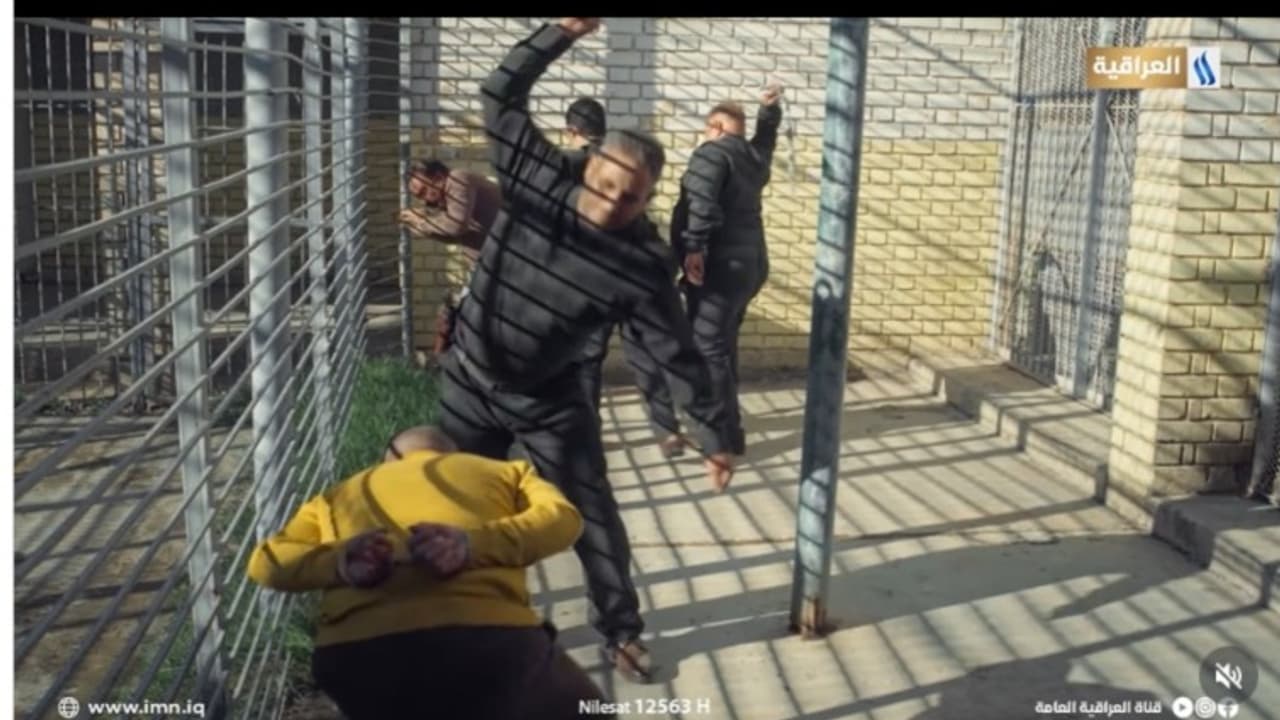
A disturbing video purportedly showing Israeli forces torturing Palestinian prisoners has gained significant traction across social media platforms in recent days, stoking international outrage amid already heightened tensions in the Middle East. However, investigations reveal the footage is entirely fictional, taken from an Iraqi television drama rather than documenting actual events.
The misleading clip began circulating shortly after the Israeli Knesset passed controversial legislation allowing military courts to impose the death penalty on Palestinians convicted of killing Israelis. This timing appears to have created a perfect storm for misinformation to flourish as emotions run high across the region.
Social media accounts sharing the video included inflammatory captions such as “Live footage: IDF soldiers always torture Palestinian hostages before executing them. Please don’t let us die in silence,” amplifying the clip’s emotional impact and perceived authenticity among viewers.
Fact-checking efforts have confirmed the footage actually originates from “Beit Umm Layla” (House of Umm Layla), a popular Iraqi television drama broadcast on the Al-Iraqiya network. The series, which aired 25 episodes between February 19 and March 20 this year, explores the psychological challenges faced by prisoners and their families. The viral clip specifically comes from the show’s 16th episode.
According to entertainment database elCinema, the production is a socio-political drama featuring scripted scenes and professional actors—not documentary footage. The scenes showing men in black uniforms beating individuals with sticks inside what appears to be a prison were entirely staged for dramatic purposes.
This incident highlights a growing challenge in the digital media landscape, where fictional content can be quickly decontextualized and presented as evidence of real-world atrocities, particularly in conflict zones where verification is difficult and emotions run high.
The Israel-Palestine conflict has been particularly vulnerable to such misinformation campaigns. The recent death penalty legislation has already sparked intense international debate, with human rights organizations condemning the move as potentially escalating violence in the region. Amnesty International called the law “cruel and inhuman,” while Israeli proponents argue it serves as a necessary deterrent against terrorism.
Media experts note this isn’t the first time fictional content has been weaponized in information warfare surrounding the conflict. Dr. Sarah Levin, a specialist in digital misinformation at Columbia University, explains: “Crisis situations create fertile ground for misinformation because people are looking for content that confirms their existing beliefs and are less likely to verify sources when emotionally triggered.”
The rapid spread of the fabricated footage demonstrates how social media algorithms can amplify false narratives during sensitive geopolitical moments. The video reached millions of viewers before fact-checking organizations could respond, showing the challenges of containing misinformation in real-time.
Tech platforms have implemented various measures to combat false information, including warning labels and reduced distribution for disputed content. However, critics argue these efforts remain insufficient against the speed at which misleading content can spread during breaking news events.
The incident serves as a reminder for media consumers to approach emotional content with heightened skepticism, particularly when it emerges during periods of international tension. Media literacy experts recommend verifying information through multiple reputable sources before sharing potentially inflammatory content.
As tensions in the Middle East continue to simmer, distinguishing fact from fiction becomes increasingly crucial for meaningful public discourse and conflict resolution efforts. While the video in question proved to be fictional, the real-world consequences of such misinformation—including heightened distrust and inflamed tensions—remain very real.
Fact Checker
Verify the accuracy of this article using The Disinformation Commission analysis and real-time sources.

16 Comments
I appreciate the diligent fact-checking work to uncover the truth here. It’s frustrating to see fictional footage being used to misrepresent complex geopolitical issues. Responsible reporting and media literacy are essential to counter the spread of misinformation.
You make a good point. Fact-checking is critical, as even well-intentioned social media users can end up amplifying false narratives without realizing the source is unreliable.
The rapid spread of this fictional footage is a concerning reminder of the need for improved media literacy and fact-checking practices. Responsible reporting and consumption of information are essential to avoid contributing to the proliferation of misinformation, even inadvertently.
Well said. In today’s digital age, we all have a role to play in combating the spread of misinformation by verifying the sources and authenticity of content, especially on sensitive topics.
This case highlights the importance of critical thinking and media literacy. It’s easy for emotionally charged content to gain traction, but we must take the time to verify the facts, especially around complex geopolitical issues. Responsible reporting is essential.
Absolutely. Fact-checking should be the norm, not the exception, when it comes to sharing information online. Emotions can cloud our judgment, so it’s crucial to maintain objectivity and verify sources.
This is a concerning case of misinformation spreading quickly on social media. It’s important to verify the source and authenticity of such sensitive footage before drawing conclusions about real-world events. Fact-checking is crucial to avoid inflaming tensions based on fictional content.
Agreed, the speed at which misinformation can spread online is alarming. Rigorous verification is needed, especially for content related to ongoing conflicts.
It’s unfortunate to see how easily misinformation can take hold, even on serious issues like the Israeli-Palestinian conflict. Fact-checking is crucial to maintain credibility and avoid fanning the flames of existing tensions. Responsible reporting is key.
Well said. Fact-checking is the best defense against the proliferation of false narratives, especially around complex geopolitical topics where emotions run high.
This is a timely reminder of the importance of verifying information, particularly around sensitive political and military topics. The rapid spread of this fictional footage highlights the need for improved media literacy and fact-checking across social platforms.
Absolutely. In today’s information landscape, we must be vigilant consumers and sharers of content to avoid contributing to the spread of misinformation, even inadvertently.
This case demonstrates the need for greater media literacy education to help people identify and avoid sharing misleading content, even if it aligns with their existing beliefs or biases. Fact-checking should be a reflex, not an afterthought.
Agreed. Improving media literacy is essential to combating the spread of misinformation, which can have real-world consequences, especially on sensitive issues like this.
It’s disheartening to see how easily false information can spread, especially on social media. Fact-checking should be a standard practice before amplifying any content, no matter how emotionally compelling it may seem. Responsible reporting is crucial.
Well said. In today’s digital landscape, we all have a responsibility to verify information before sharing it, no matter the topic. Fact-checking is a necessary step to prevent the spread of misinformation.