


Listen to the article
AI-Generated Image Falsely Shows Melania Trump Kissing Jeffrey Epstein
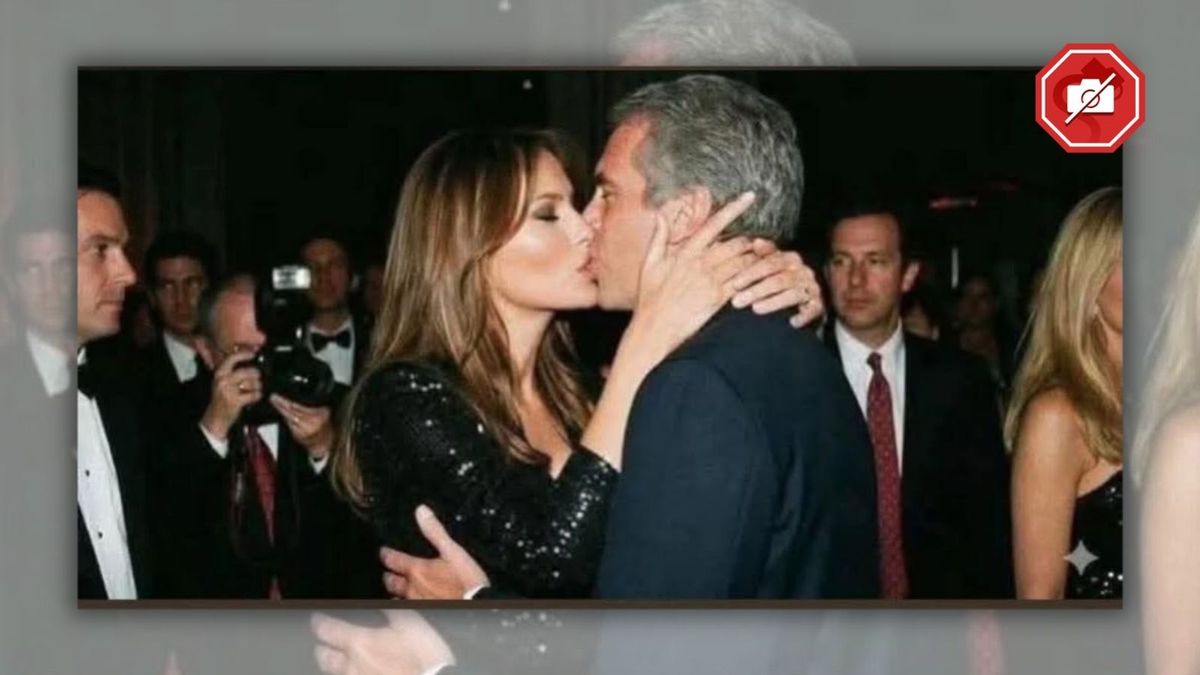
An artificially generated image purporting to show former First Lady Melania Trump kissing convicted sex offender Jeffrey Epstein has been circulating widely on social media platforms, causing confusion among users who believed the photo to be authentic.
The fabricated image, which depicts Mrs. Trump and Epstein in an intimate embrace, contains Google’s distinctive diamond-shaped watermark in the lower-right corner—a clear indicator of AI-generated content. When analyzed through Google’s Gemini AI tool, the system confirmed the presence of Google’s SynthID watermark, returning the message: “Analysis of this image indicates that all or part of the content was edited or generated with Google AI.”
Despite these telltale signs, the manipulated photo has spread across multiple platforms including Threads, Bluesky, Facebook, and X (formerly Twitter), with numerous comments suggesting many viewers believed it to be genuine.
The timing of this fake image’s circulation appears deliberate, coming shortly after Melania Trump’s April 9, 2026, public statement in which she specifically addressed false associations with Epstein and his associate Ghislaine Maxwell, who was convicted of sex trafficking.
“Numerous fake images and statements about Epstein and me have been circulating on social media for years now,” Mrs. Trump stated. “Be cautious about what you believe. These images and stories are completely false.”
When contacted by fact-checkers regarding this specific image, representatives for the former First Lady did not immediately respond.
Digital forensics experts note that while this particular AI creation avoids some common hallmarks of synthetic imagery—such as extra fingers or distorted text—closer inspection reveals subtle inconsistencies. These include an awkward alignment between the subjects’ lips and peculiar facial expressions on background figures, particularly a man in a red tie whose appearance bears characteristics commonly found in AI-generated faces.
The artificial image comes amid ongoing public interest in Jeffrey Epstein’s case and his connections to prominent figures. Epstein, a financier who died in prison in 2019 while awaiting trial on sex trafficking charges, has remained a subject of intense media scrutiny and conspiracy theories.
Maxwell, Epstein’s former associate, was convicted in 2021 of child sex trafficking and other offenses related to procuring underage girls for Epstein. According to recent reports, she has petitioned the U.S. Supreme Court to overturn her conviction.
This fabricated image is not an isolated incident. Fact-checkers have previously identified and reported on collections of fake images attempting to establish a false narrative connecting Mrs. Trump with Epstein.
The spread of such convincing AI-generated imagery highlights growing concerns about the role of artificial intelligence in creating and disseminating misinformation. As AI image generation technology becomes more sophisticated and accessible, distinguishing between authentic and synthetic content grows increasingly challenging for average social media users.
Media literacy experts recommend scrutinizing viral images, particularly those showing sensational or politically charged content, by checking whether reputable news organizations have published them, looking for inconsistencies in the image details, and using reverse image search tools to trace the origin of suspicious photos.
The Justice Department continues to release documents related to the Epstein investigation as part of ongoing legal proceedings, contributing to public interest in the case and potentially providing fertile ground for misinformation to spread.
Fact Checker
Verify the accuracy of this article using The Disinformation Commission analysis and real-time sources.

8 Comments
While this fabricated image may be intended to cause controversy, we should focus on the facts. Verifiable information from reputable sources is the best way to understand complex issues.
Absolutely. Spreading misinformation, even inadvertently, can have serious consequences. It’s crucial that we rely on credible news and data when discussing sensitive topics.
Fake images like this undermine public trust and distract from real issues. I hope people will take the time to critically evaluate online content before reacting or sharing it further.
This is clearly an AI-generated fake image, not a real photo. The Google watermark is a dead giveaway. Spreading false information like this is irresponsible and misleading.
I agree, we need to be very cautious about unverified images circulating online. It’s important to fact-check before sharing or believing this kind of content.
While the image may be compelling, the clear AI-generated watermark indicates it is not authentic. We should be wary of falling for digitally-altered content, no matter how convincing it may seem.
The use of AI to generate deceptive images is concerning. We must be vigilant in identifying and debunking this kind of misinformation to maintain an informed and accountable public discourse.
Agreed. Fact-checking and responsible reporting are essential to counter the spread of manipulated media. Transparency and honesty should be the priority.