


Listen to the article
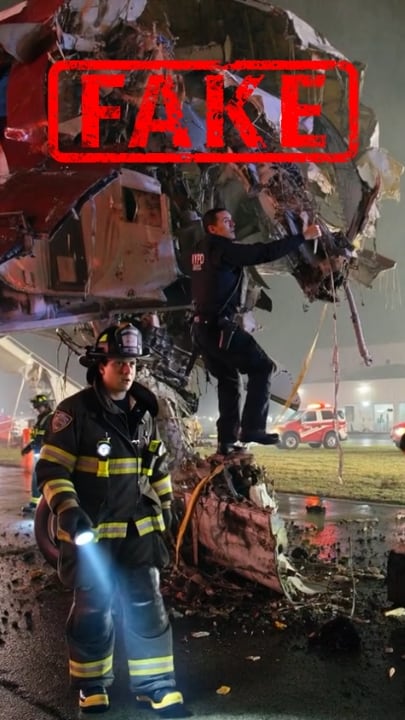
A digitally altered video purportedly showing an Air Canada aircraft experiencing a near-catastrophic landing has been circulating widely on social media, generating concern among viewers and aviation enthusiasts. Investigation reveals the footage was actually created using artificial intelligence, specifically through OpenAI’s Grok, and does not depict any real incident involving the Canadian airline.
The fabricated video shows what appears to be an Air Canada plane making a dangerous landing, with the aircraft tilting dramatically to one side before seemingly making contact with the runway. The realistic-looking footage has sparked unnecessary alarm, particularly as it circulates without proper context or disclaimers indicating its artificial nature.
Air Canada representatives have confirmed no such incident occurred within their fleet. The airline expressed concern about the spread of such misinformation, noting that falsified content suggesting safety incidents can damage public trust and create unwarranted anxiety among potential travelers.
Aviation experts who reviewed the footage identified several technical inconsistencies that reveal its artificial origin. The aircraft’s movement patterns display physics that would be impossible in real-world conditions, and certain visual artifacts characteristic of AI-generated content are visible throughout the video upon closer inspection.
This incident highlights the growing challenge posed by increasingly sophisticated AI tools capable of producing convincing fake videos. As generative AI technology becomes more accessible, the line between authentic and fabricated content continues to blur, creating significant challenges for media literacy and information verification.
The video’s rapid spread across platforms like X (formerly Twitter), Facebook, and TikTok demonstrates how quickly misinformation can proliferate in today’s digital ecosystem. Many users shared the content believing it to be genuine footage, with some posts garnering thousands of interactions before being identified as fake.
Social media platforms have implemented various measures to combat AI-generated misinformation, including labeling policies and content review systems. However, these safeguards often struggle to keep pace with the volume and sophistication of falsified content being produced and shared.
Transport Canada, the federal department responsible for transportation policies and programs, reminds the public that verified aviation incidents involving Canadian carriers would be officially documented and investigated through proper channels. The agency encourages consumers to verify information through official sources before sharing potentially misleading content.
This is not the first instance of AI-generated content causing confusion in the transportation sector. Similar fabricated videos depicting accidents involving various airlines, trains, and other vehicles have circulated online in recent months, often gaining significant viewership before being debunked.
Media literacy experts emphasize the importance of critical evaluation when consuming video content online. Key warning signs of AI-generated footage include unusual lighting, inconsistent shadows, unnatural movement patterns, and visual glitches – particularly around complex elements like human faces or intricate machinery.
The incident serves as a reminder that while AI tools like Grok offer beneficial applications across many industries, they also present new challenges for information integrity. The technology’s ability to create convincing fabrications necessitates heightened vigilance from both platforms and users.
Aviation industry analysts note that such misinformation can have tangible impacts on airlines, potentially affecting consumer confidence, booking patterns, and even stock prices if false safety concerns gain traction. Air Canada, as Canada’s largest airline serving over 50 million passengers annually, maintains stringent safety protocols and transparent communication about any actual incidents.
As digital literacy becomes increasingly essential, experts recommend verifying information through multiple credible sources, checking official accounts, and exercising healthy skepticism toward dramatic footage that hasn’t been confirmed by established news organizations or official aviation authorities.
The public is encouraged to report suspected AI-generated misinformation to platform administrators and refrain from sharing unverified content that could cause unnecessary public concern, especially regarding transportation safety matters.
Fact Checker
Verify the accuracy of this article using The Disinformation Commission analysis and real-time sources.

7 Comments
Interesting to see AI-generated content being used to create fake news. I wonder what the motivations are behind spreading this kind of misinformation, especially around aviation safety. It’s good that Air Canada was able to quickly confirm this video as fabricated.
The spread of AI-generated fake content is definitely concerning. I’m glad the experts were able to identify the technical inconsistencies that revealed the artificial origin of this video. It’s crucial for the public to be able to trust the information they see, especially when it comes to important issues like aviation safety.
Absolutely. Maintaining public trust is so critical, especially in industries like aviation where safety is paramount. It’s worrying to see how convincing these AI-generated fakes can be.
I’m curious to learn more about the technical details behind how the experts were able to identify this video as AI-generated. It would be interesting to understand the specific indicators they looked for. Regardless, I’m glad the truth was uncovered and the public wasn’t misled.
This is a good reminder of the importance of verifying information, especially when it comes to sensitive topics like aviation safety. I’m glad the aviation experts were able to identify the inconsistencies and that Air Canada took swift action to address the misinformation. Maintaining public trust is crucial.
It’s disheartening to see false information being spread, even if it’s generated by AI rather than human actors. While the technology is impressive, its potential for misuse is concerning. I’m glad Air Canada was proactive in addressing this specific incident and reassuring the public.
It’s worrying to see how advanced AI-generated content can be, to the point of creating convincing fake videos. This incident highlights the need for robust fact-checking and media literacy efforts to help the public identify misinformation, even when it’s highly realistic. Kudos to Air Canada for their transparent response.