


Listen to the article
No evidence has emerged that President Trump declared Nigeria’s Minister Wike “most wanted,” fact-checkers find
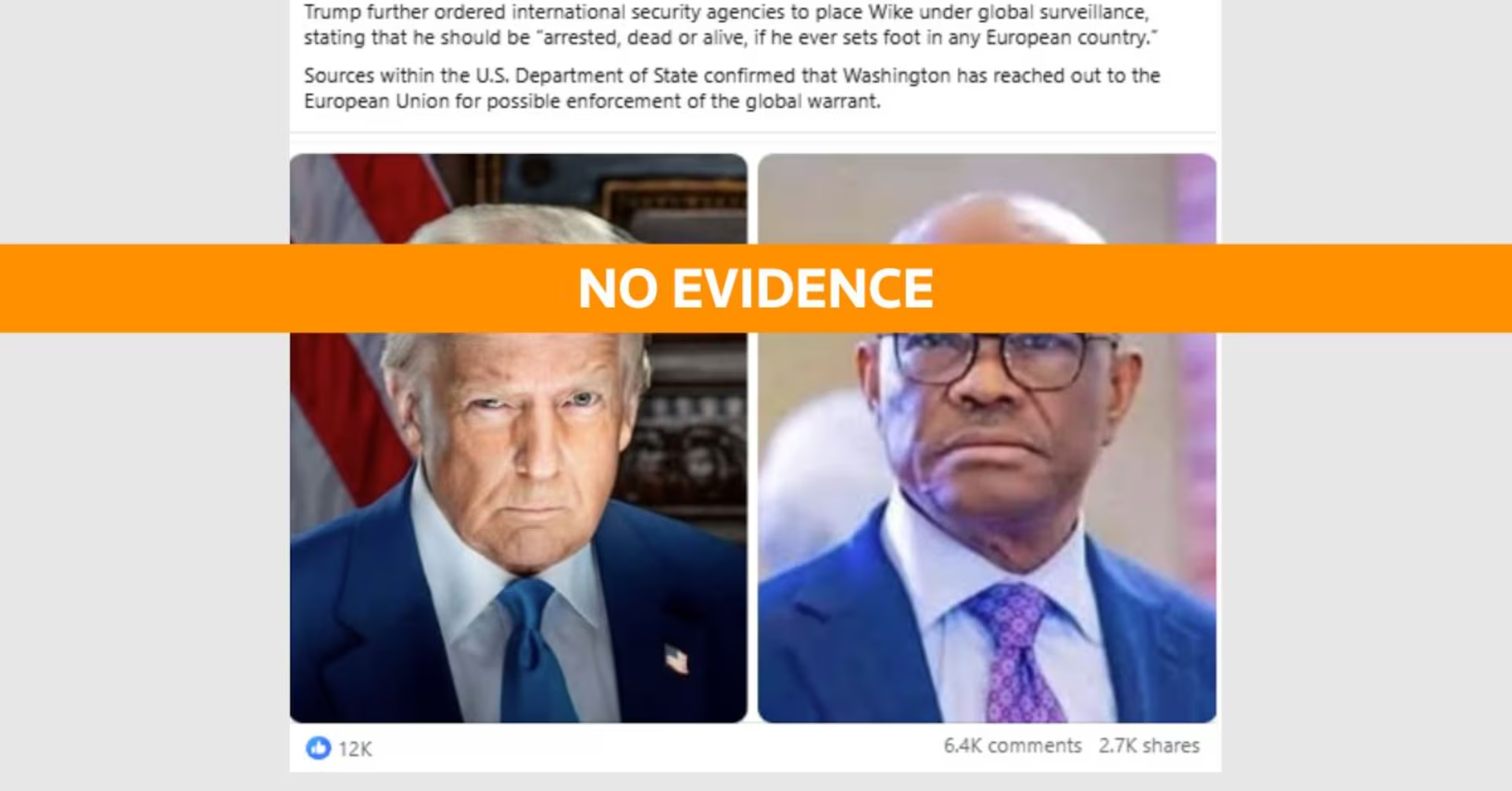
Claims that U.S. President Donald Trump declared Nigeria’s Minister of the Federal Capital Territory Nyesom Wike “one of the most wanted men in the world” have been debunked by fact-checkers who found no evidence to support these widespread social media assertions.
A series of Facebook posts circulated on November 8 claimed that Trump had issued a global arrest warrant for Wike, allegedly linking him to “the killing of Igbos during the Obi-Igbo crisis in Rivers State.” The posts further alleged that Trump had ordered international agencies to place Wike under surveillance and have him “arrested, dead or alive” in Europe, citing supposed actions by the White House and State Department to enforce a “global warrant.”
A thorough investigation by Reuters found no official announcements matching these claims on any U.S. government channels or on Trump’s public statements. When approached for comment, a spokesperson for Wike dismissed the allegations, telling Reuters: “We are not aware of such. I am sure it is one of the lies.”
While Trump did make headlines in early November with threats to take military action against Nigeria over what he characterized as the killing of Christians by “Islamic Terrorists,” no official statements have connected Wike to these broader concerns or mentioned any warrant for his arrest.
The social media claims reference events from October 2020, when Wike, then governor of the oil-rich Rivers State, imposed a 24-hour curfew on parts of the state, including the town of Oyigbo (also known as Obigbo), following attacks on police stations and other government buildings during nationwide anti-police-brutality demonstrations. During this period, Wike also enforced a federal ban on activities of the Indigenous People of Biafra (IPOB), an organization campaigning for a separate state in Nigeria’s predominantly Christian southeast region.
These actions, occurring during a time of heightened tensions in the region, appear to form the basis for the unfounded claims now circulating online. The false narrative gained traction amid continuing concerns about sectarian violence in parts of Nigeria, which has seen conflicts between different ethnic and religious groups.
In a November 3 interview with Channels Television, Wike directly addressed Trump’s broader allegations of “Christian genocide” in Nigeria, calling them “politics taken too far.” He argued that it was illogical to accuse a government with Christians in senior security positions of sponsoring killings of Christians.
Nigeria, Africa’s most populous nation with approximately 220 million people, faces complex security challenges including insurgencies, banditry, and communal conflicts that sometimes align with religious or ethnic identities. These complexities make the country vulnerable to misinformation, particularly when international figures comment on its internal affairs.
The spread of such false claims highlights the growing challenge of misinformation on social media platforms, where political tensions both within Nigeria and internationally can fuel the rapid dissemination of unverified allegations. This pattern has become increasingly common in Nigerian political discourse, where social media has become a battleground for competing narratives.
After thorough fact-checking, Reuters concluded there is no credible evidence that Trump or U.S. authorities named Wike a “most wanted” figure or sought an EU arrest order, with no official U.S. statements supporting these claims.
Fact Checker
Verify the accuracy of this article using The Disinformation Commission analysis and real-time sources.

14 Comments
This serves as a reminder that we should be cautious about rumors and unsubstantiated claims, especially when they involve high-profile individuals or international affairs. Fact-checking is key to upholding journalistic integrity.
Agreed. In the age of social media, it’s all too easy for misinformation to gain traction. Responsible reporting and due diligence are essential to counter the spread of falsehoods.
Good to see the allegations against the Nigerian minister thoroughly investigated and debunked. Fact-checking is crucial to counter the spread of misinformation, especially when it involves political figures and international issues.
Absolutely. Responsible journalism should always strive for accuracy and objectivity, even when reporting on sensitive topics. This fact check demonstrates the importance of verifying claims before amplifying them.
Good to see fact-checkers thoroughly investigating this claim. Verifying the accuracy of information, especially around political figures, is critical for maintaining public trust.
Fact-checking is an important safeguard against the spread of false narratives. It’s reassuring to see Reuters taking the time to thoroughly vet these allegations.
This fact check highlights the importance of verifying information, especially when it involves high-profile individuals and international affairs. Maintaining accuracy and objectivity is critical for upholding journalistic integrity.
Agreed. In today’s fast-paced media landscape, it’s all too easy for unsubstantiated claims to spread rapidly. Thorough fact-checking is essential to ensure the public has access to reliable information.
Interesting fact check. It’s important to verify claims, especially those involving high-profile figures and international issues. Fact-checking is crucial to counter misinformation and maintain trust in the media.
Agreed. Responsible journalism should always strive for accuracy and objectivity, especially on sensitive political topics.
This highlights the need for caution when sharing news on social media. Unsubstantiated claims can spread rapidly, so it’s wise to cross-reference information from reputable sources before passing it along.
Absolutely. Social media amplifies the reach of misinformation, so we all have a duty to be discerning consumers and distributors of news.
It’s reassuring to see the claims about Trump and the Nigerian minister thoroughly debunked through fact-checking. Maintaining accuracy in reporting, especially on political matters, is crucial for public trust.
Absolutely. Fact-checking is a vital function of journalism, helping to separate truth from fiction and hold public figures accountable. This article is a good example of responsible reporting.