


Listen to the article
Democrats Challenge Republican Health Policy Impact, Question 15 Million Coverage Loss Claim
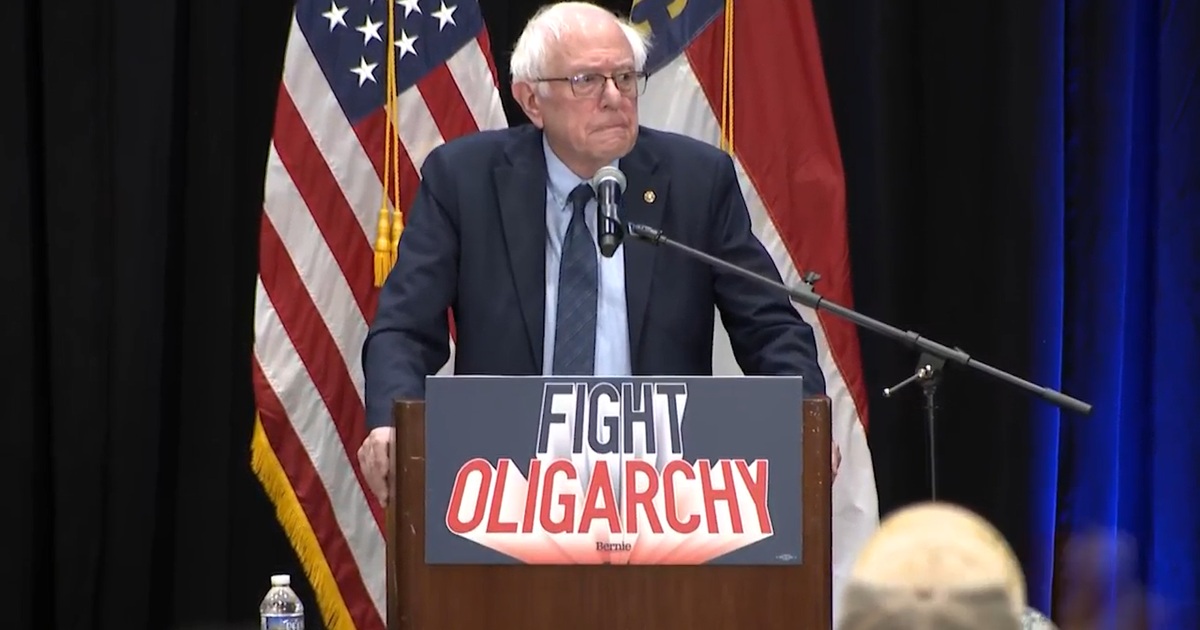
Democrats have escalated criticism of Republican healthcare policies, claiming that the “One Big Beautiful Bill Act” supported by President Donald Trump will strip health insurance from millions of Americans. During a recent committee hearing featuring testimony from Health and Human Services Secretary Robert F. Kennedy Jr., Senator Bernie Sanders stated that “15 million Americans have been thrown off the healthcare that they need” due to the legislation.
This claim by Sanders, who frequently advocates for affordable healthcare access, represents a significant accusation against Republican policies. However, analysis suggests the 15 million figure may overstate immediate impacts while combining different factors affecting insurance coverage.
The One Big Beautiful Bill Act, passed earlier this year, made substantial changes to the American tax system and safety net programs. The legislation extended income tax cuts for individuals and businesses, allocated $75 billion in new funding for Immigration and Customs Enforcement, and implemented significant cuts to safety net programs, particularly Medicaid.
The Congressional Budget Office (CBO), Congress’s nonpartisan budget analysis agency, projected the law would increase the number of uninsured Americans by approximately 10 million through 2034. This estimate includes individuals who had previously received coverage through Medicaid or the Affordable Care Act (ACA).
Sanders’ spokesperson Patrick Barham clarified that the senator’s 15 million figure combined two factors: the legislation’s impact and the separate expiration of premium tax credits for ACA marketplace participants, which is expected to affect roughly 4 million people. Barham cited analysis from the left-leaning Center on Budget and Policy Priorities to support the combined estimate.
Current data shows some decline in health insurance enrollment, though not yet at the scale suggested by Sanders. The Centers for Medicare & Medicaid Services reported in March that 23.1 million consumers were enrolled in ACA plans for 2026, approximately one million fewer than in 2025. States like New Jersey and New York have already reported decreased enrollment figures.
Sara Rosenbaum, a healthcare law and policy professor at George Washington University, noted that community health centers serving high volumes of ACA-enrolled patients have observed declines in insured patients. She added that young people appear to be disproportionately abandoning their insurance coverage, leaving an older and sicker insured population.
The legislation’s Medicaid work requirements represent another significant change to healthcare access. These provisions are scheduled to take effect in January 2027, though some states like Nebraska and Montana are implementing the new rules ahead of schedule. According to reporting from KFF Health News, most Medicaid beneficiaries affected by these provisions may lose coverage not because they fail to work but due to administrative barriers such as documentation errors.
Joe Antos, a health policy specialist at the American Enterprise Institute, cautioned that attributing declining ACA enrollment solely to the legislation is problematic. Multiple factors, including persistent inflation squeezing household budgets, likely contribute to enrollment changes.
Fact-checking organizations have rated Sanders’ claim as “Mostly False,” noting that while the combined effect of policy changes could eventually approach his 15 million figure, the statement presents future projections as current reality. The approximately one million decrease in ACA enrollment since 2025 falls significantly short of the senator’s claim that 15 million Americans have already lost coverage.
While policy experts acknowledge that legislative changes will reduce health insurance coverage over time, the full impact remains to be seen as implementation continues across different states and programs.
Fact Checker
Verify the accuracy of this article using The Disinformation Commission analysis and real-time sources.

11 Comments
Republicans and Democrats seem to have very different perspectives on the healthcare legislation. It will be important for policymakers to look at the data and evidence objectively, rather than making partisan accusations, to determine the true effects on insurance coverage.
You raise a good point. Partisan politics can cloud the facts, so an impartial analysis from non-partisan experts would be ideal for getting to the bottom of this issue.
It’s concerning to hear claims of millions losing their health insurance, but I’d want to see a rigorous, non-partisan assessment before drawing any conclusions. Ensuring access to affordable, quality healthcare should be a top priority for policymakers.
Absolutely. Reliable data and objective analysis will be essential for understanding the real-world impacts of this legislation and making informed decisions going forward.
Fluctuations in healthcare coverage are complex, with many factors at play. I hope lawmakers can work together to ensure access to affordable, quality care for all Americans, regardless of political affiliation.
This is a highly charged political topic, but I think it’s important to set aside partisan rhetoric and focus on the facts. Rigorous, data-driven analysis will be crucial in understanding the real-world impacts of the healthcare legislation.
I agree. Emotions can run high on healthcare issues, but level-headed, evidence-based policymaking is the best path forward.
Given the significance of this policy change, I hope lawmakers on both sides of the aisle will work to provide clear, transparent information about its effects on healthcare coverage. Accurate data and analysis should guide the debate, not partisan posturing.
This is an interesting claim about the impact of the One Big Beautiful Bill Act on healthcare coverage. I’d be curious to see more analysis on the specific factors contributing to the 15 million figure cited by Senator Sanders. It’s important to get the facts right on an issue as critical as healthcare access.
Agreed, a thorough examination of the policy changes and their effects is needed to verify the accuracy of the 15 million claim. Objective analysis from reliable sources will be crucial in understanding the real-world impacts.
This is a complex issue with significant implications for people’s wellbeing. I hope policymakers on both sides can work together to get the facts right and find solutions that prioritize the health and healthcare needs of all Americans.