


Listen to the article
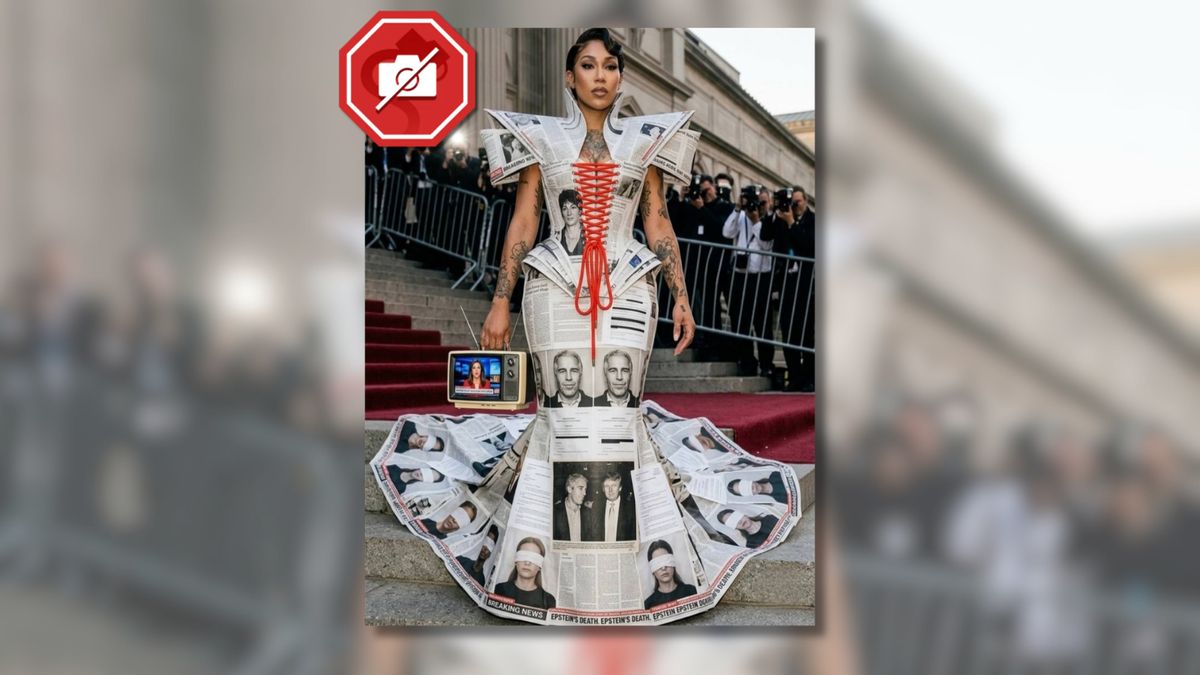
Social media users were misled this week by an artificially generated image claiming to show a woman wearing a dress made of Jeffrey Epstein newspaper articles at the 2026 Met Gala.
The viral image, which circulated widely across Twitter (now X), Facebook, and Instagram, depicted a woman identified as “Laree Chante” on the Met Gala red carpet in what appeared to be a newspaper-print dress featuring headlines about the late convicted sex offender Jeffrey Epstein.
“Best dress at the Gala! RELEASE THE EPSTEIN FILES,” read one popular caption accompanying the image on social media platforms. The post quickly gained traction among users who believed the provocative fashion statement was genuine.
However, a thorough fact-check reveals the image was entirely fabricated using artificial intelligence technology. No such dress appeared at the Met Gala, and no attendee named Laree Chante was present at the exclusive fashion event, according to Vanity Fair’s comprehensive guest list.
The image’s actual origin was traced to Instagram account @mslareechante, whose biography explicitly identifies the content creator as “Your AI Prompt Queen” who transforms “REAL photos in Magic.” The account specializes in AI-generated imagery, with the Epstein newspaper dress being just one of several politically themed fabricated Met Gala outfits posted around the same time.
Other AI creations from the same account included dresses with slogans such as “America’s Got A Problem, Your Voice Is Your Right” and “This Is Stolen Land, We Built This Country, History Is A Story We Tell” – all designed to appear as if they were worn at the prestigious fashion event.
The Met Gala, known as fashion’s biggest night, typically attracts extensive media coverage with professional photographers documenting every attendee and outfit in detail. Had such a controversial dress actually appeared on the red carpet, it would have been captured by numerous photographers and reported by major media outlets.
This incident highlights the growing challenge of distinguishing between authentic images and AI-generated content on social media. As artificial intelligence tools become more sophisticated and accessible, digitally altered or entirely fabricated images can spread rapidly before being identified as inauthentic.
The Epstein-themed dress hoax follows a pattern of similar misinformation involving the disgraced financier. Just last month, multiple fabricated images circulated purportedly showing former First Lady Melania Trump with Jeffrey Epstein, all of which were debunked as AI-generated fakes.
Jeffrey Epstein, who died in prison in 2019 while awaiting trial on sex trafficking charges, continues to be a subject of intense public interest and conspiracy theories. His connections to powerful figures in politics, business, and entertainment have made Epstein-related content particularly prone to misinformation campaigns and digital manipulation.
Social media platforms have struggled to combat the spread of such synthetic media. Despite policies against misleading content, AI-generated images frequently gain significant engagement before being flagged or removed.
Media literacy experts recommend that users exercise heightened skepticism toward sensational images, especially those involving controversial figures or events. Simple verification steps include checking whether reputable news sources have reported on the alleged incident and conducting reverse image searches to identify the content’s original source.
As AI technology continues to evolve, distinguishing between authentic and artificially generated content will likely become an increasingly important skill for media consumers navigating the digital information landscape.
Fact Checker
Verify the accuracy of this article using The Disinformation Commission analysis and real-time sources.

14 Comments
I appreciate the diligence of the investigators in exposing this as a fabrication. It’s crucial that we maintain a healthy skepticism towards sensational claims, especially when they involve controversial public figures.
Absolutely. This incident highlights the need for robust fact-checking and media literacy efforts to combat the spread of misinformation online. We must all be more discerning consumers of digital content.
I’m glad this fabricated image was quickly debunked. It’s a good reminder that we should always be skeptical of sensational or provocative claims, especially those involving high-profile figures. Verifying information is crucial in the digital age.
Absolutely. The ease with which AI can generate convincing but false images is concerning. We must all cultivate a more critical eye when consuming online content, no matter how attention-grabbing it may be.
This is a concerning example of how misinformation can spread rapidly on social media. I’m glad the fact-checkers were able to trace the origins of this fake image and set the record straight. It’s a valuable lesson in the importance of verifying information before sharing it.
Agreed. The ability of AI-generated content to fool people is worrying. This incident highlights the need for greater media literacy and critical thinking skills to help people identify and resist the influence of false or misleading digital content.
This is a good example of how misinformation can spread quickly on social media. I’m glad the fact-checkers were able to trace the origins of this fake image and set the record straight.
Yes, it’s a valuable lesson in the importance of verifying information before sharing it. We should all be more cautious about blindly believing viral content, no matter how attention-grabbing it may be.
This is a prime example of why it’s so important to rely on reputable news sources and fact-checking organizations when it comes to viral claims or images. Blindly accepting and sharing unverified content can contribute to the spread of misinformation.
Well said. This incident underscores the need for media literacy education to help people better identify and resist the influence of false or misleading content online. Fact-checking should be a reflex, not an afterthought.
It’s concerning to see how quickly misinformation can spread on social media platforms. This serves as a reminder that we need to be vigilant about verifying the accuracy of information before believing or sharing it.
Agreed. The ability of AI-generated content to fool people is worrying. We must all develop the critical thinking skills to spot fabricated or manipulated media, no matter how convincing it may appear.
Interesting! I’m glad this image was debunked as AI-generated. We need to be very careful about what we believe online, especially when it comes to provocative claims around high-profile figures like Epstein.
Agreed. It’s important to scrutinize viral images and verify their authenticity before spreading them further. AI-generated content can be incredibly convincing, so critical thinking is key.