


Listen to the article
Indian Ports Receive Iranian Oil Shipments Despite US Sanctions Concerns
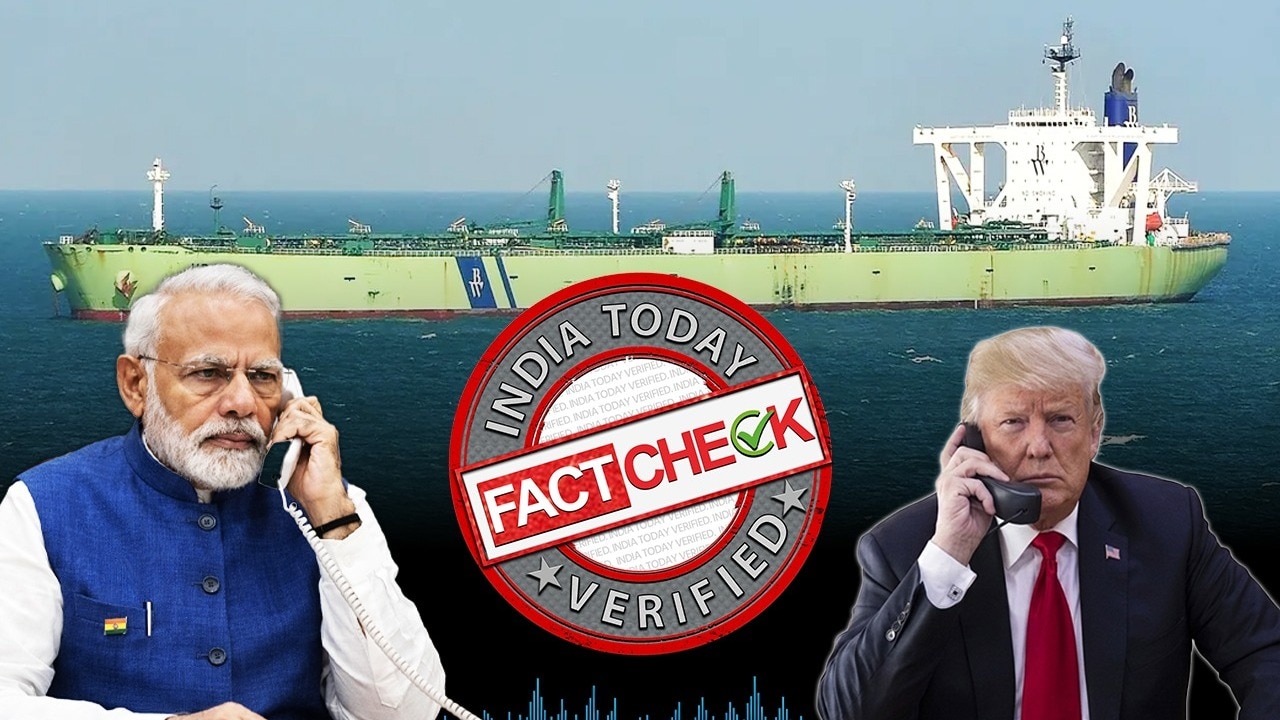
Two supertankers carrying Iranian crude oil are currently anchored off India’s western and eastern coasts, contradicting social media claims that India had refused to accept the shipments following diplomatic pressure from the United States.
The vessels, carrying approximately 2 million barrels each, arrived at Indian ports on April 13, marking India’s first purchase of Iranian oil since 2019. This development comes at a sensitive time as the US announced plans to reinstate restrictions on Iranian oil exports after a temporary easing of sanctions in March.
According to maritime tracking data and Reuters reporting, the Iran-flagged Felicity is currently moored in the Gulf of Kutch near Sikka Port in Gujarat, while the Curacao-flagged Jaya is anchored near Paradip Port in Odisha. Both vessels departed from Iran’s Kharg Island in recent weeks—Jaya in late February and Felicity in mid-March.
The timing of these shipments is particularly significant as they arrived just before the US announced it would again restrict Iranian oil exports. The Biden administration had implemented a 30-day waiver on sanctions for Iranian oil purchases at sea last month, but this exemption is set to expire on April 19.
Industry analysts note that an estimated 95 million barrels of Iranian oil are currently being transported on vessels at sea, representing a substantial volume that traders and refiners are attempting to move before sanctions are fully reinstated.
While the specific buyers of the Iranian crude have not been officially disclosed, The Times of India reports that the Paradip port is primarily utilized by Indian Oil Corporation, while Sikka serves as a key facility for Reliance Industries and Bharat Petroleum Corporation. These major Indian refiners would be the logical recipients of such shipments.
The social media claims suggesting that India had returned the oil shipments after a call between former US President Donald Trump and Prime Minister Narendra Modi appear to be unfounded. No credible national or international news organizations have reported such an incident, which would have been significant news in energy and diplomatic circles.
India’s decision to import Iranian crude comes amid global energy market volatility. As one of the world’s largest oil importers, India has consistently sought to diversify its energy sources and secure favorable terms from suppliers. Iranian oil, typically sold at competitive prices, represents an attractive option for Indian refiners looking to optimize costs.
The relationship between India and Iran in the energy sector has historically been complex, often influenced by US sanctions policy. Prior to 2019, Iran was one of India’s major oil suppliers, but purchases were halted when the Trump administration tightened sanctions against Tehran as part of its “maximum pressure” campaign.
The current situation highlights the delicate balancing act India must maintain between securing its energy needs and managing its strategic relationships with both Iran and the United States. Energy security remains a top priority for New Delhi, which imports more than 80 percent of its oil requirements.
Market observers will be watching closely to see if these shipments represent a one-time opportunity taken during the sanctions waiver period or if they signal a potential shift in India’s approach to Iranian oil imports going forward.
The maritime tracking website MarineTraffic continues to show both vessels stationed at their respective locations off the Indian coast, with no indication that they are returning to Iran as claimed in social media posts.
Fact Checker
Verify the accuracy of this article using The Disinformation Commission analysis and real-time sources.

10 Comments
This development underscores the ongoing tensions between the US and Iran, and how countries like India are caught in the middle. It will be important to follow how this situation unfolds and the potential consequences for global energy markets.
Well said. India’s decision to continue accepting Iranian oil shipments is a bold move that could have significant geopolitical and economic ramifications. It will be fascinating to see how this plays out.
I’m curious to learn more about India’s rationale for continuing to accept Iranian oil. Is it purely an economic decision, or are there broader geopolitical factors at play? This could have ripple effects on global energy markets.
That’s a great question. India likely has to consider a range of strategic considerations beyond just the economics of the oil trade. Its relationships with both the US and Iran are important factors in this decision.
This highlights the complexities of global energy politics. India is trying to meet its energy needs while managing relations with the US and Iran. It will be fascinating to see how this situation evolves in the coming months.
Absolutely. India has to weigh its own energy security interests against the pressure from the US to comply with sanctions on Iran. Maintaining neutrality is no easy feat.
Interesting that India is still accepting Iranian oil shipments despite US sanctions. I wonder what the strategic considerations are behind this decision. Maintaining diplomatic ties with Iran could be important for India’s regional interests.
You raise a good point. India likely has to balance its relationships with the US and Iran, which can’t be easy. Navigating these geopolitical waters requires careful diplomacy.
It’s interesting to see India bucking the trend and continuing to purchase Iranian oil despite US sanctions. This highlights the complex web of global energy politics and the challenges countries face in balancing competing interests.
Exactly. India has to navigate a delicate balance between its energy needs, its relationship with the US, and its ties with Iran. This is a high-stakes game with far-reaching implications.