


Listen to the article
In a striking shift of online discourse, claims about simplifying Germany’s citizenship process have proliferated across social media platforms since mid-2025, prompting closer scrutiny from fact-checking organizations.
Social media users have increasingly shared content suggesting that obtaining German citizenship has become remarkably straightforward, with some posts claiming the process can be completed in just a few months with minimal documentation. These assertions have gained particular traction on platforms like TikTok and Instagram, where short-form videos purportedly showing “citizenship hacks” have amassed millions of views.
The surge in such content follows Germany’s citizenship law reforms implemented earlier this year, which did introduce several substantive changes to the naturalization process. However, experts caution that many online claims significantly oversimplify or misrepresent the actual requirements.
“While Germany has indeed modernized its approach to citizenship, characterizing the process as ‘easy’ is misleading,” explains Dr. Claudia Weber, an immigration law specialist at the University of Berlin. “Applicants still face rigorous language requirements, financial stability checks, and integration assessments.”
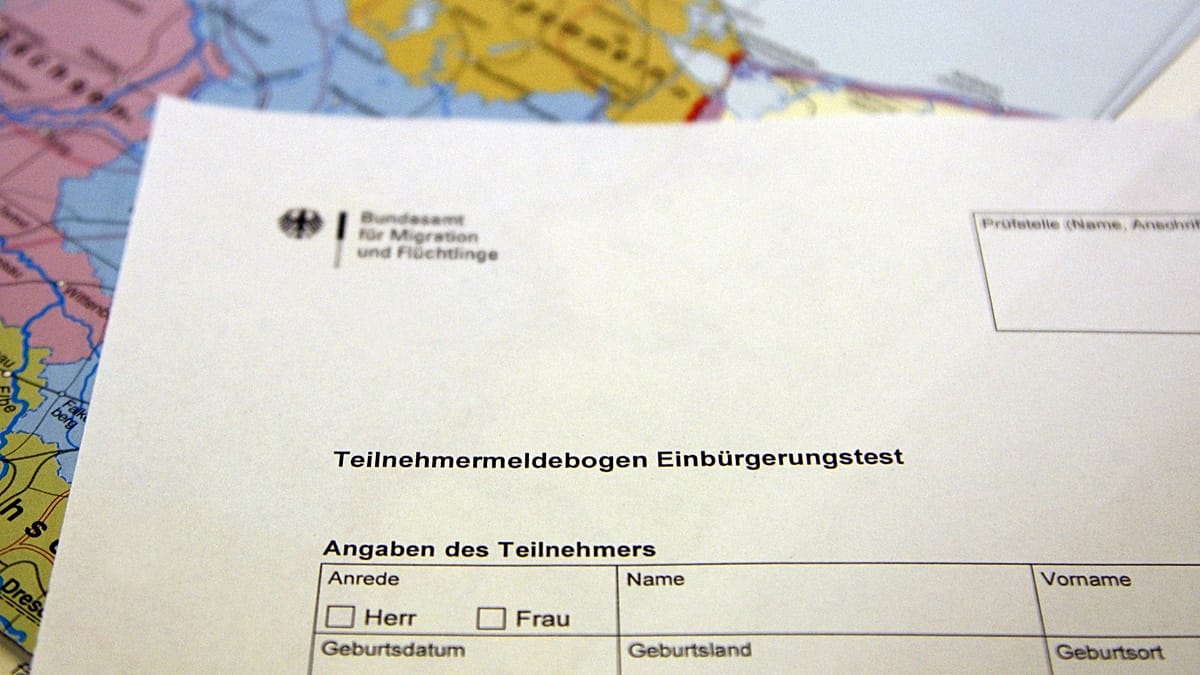
The German Federal Ministry of the Interior confirms that while the residency requirement was reduced from eight to five years in most cases, applicants must still demonstrate B1 level German language proficiency and pass a citizenship test covering German history, culture, and constitutional principles.
These nuances are frequently absent from viral social media content, where creators often emphasize exceptional cases or present outdated information as current policy. One particularly widespread claim suggests that anyone with German ancestry can obtain citizenship “within weeks” – a significant distortion of actual regulations regarding citizenship by descent.
Immigration offices across major German cities report experiencing a substantial increase in inquiries following the viral spread of these simplified narratives. In Berlin alone, citizenship application appointments are now booked solid for the next nine months, reflecting heightened interest potentially fueled by social media claims.
The phenomenon emerges against a backdrop of broader European debates about migration and citizenship. Germany’s reforms represent part of a coalition government initiative to address skilled worker shortages and promote integration, positioning the country more competitively among developed nations seeking global talent.
“Germany is sending a signal that it wants to be a modern immigration country, but that doesn’t mean citizenship is being handed out indiscriminately,” notes migration researcher Petra Hoffmann from the German Institute for Economic Research. “The simplified narratives online risk creating unrealistic expectations among potential applicants.”
Digital misinformation researchers identify this trend as part of a wider pattern of “procedure simplification” content that has gained traction across various bureaucratic processes, from visa applications to tax filing. Such content often performs well on algorithmic platforms by promising shortcuts through complex governmental systems.
For potential applicants, the consequences of relying solely on social media information can be significant. Immigration consultants report cases of individuals making major life decisions based on inaccurate understandings of the naturalization process, only to face disappointment when confronting the actual requirements.
German authorities have responded by launching digital awareness campaigns and updating official information portals to clarify eligibility criteria and application processes. Several German embassies worldwide have also issued statements cautioning against misleading claims circulating online.
As Germany continues to refine its approach to immigration and citizenship, the gap between simplified social media narratives and complex policy realities highlights broader challenges in communicating governmental procedures in the digital age. For those genuinely interested in German naturalization, officials emphasize consulting official government resources rather than relying on trending content that may prioritize engagement over accuracy.
The phenomenon also underscores how immigration policies increasingly influence national conversations about identity and belonging in European societies grappling with demographic changes and economic imperatives in an increasingly mobile world.
Fact Checker
Verify the accuracy of this article using The Disinformation Commission analysis and real-time sources.

10 Comments
Interesting to see how online discourse has shaped perceptions around Germany’s citizenship process. While reforms have been made, it’s important to get the facts straight and not oversimplify the actual requirements applicants still face.
Agreed, the claims circulating online seem to be an oversimplification. Citizenship is still a rigorous process, even with the recent updates.
This highlights the need to be cautious about claims made on social media, especially around complex policy changes. Fact-checking is crucial to understand the nuances and avoid spreading misinformation.
Absolutely. It’s easy for short viral videos to gloss over important details. Glad to see this being scrutinized more closely.
This is a good reminder that we should be critical consumers of information, especially when it comes to policy changes. Fact-checking is so important to cut through the noise and get the real story.
Agreed. While the reforms may have streamlined some aspects, the citizenship process is still rigorous. Important not to spread oversimplified claims.
The citizenship law reforms in Germany are an interesting development, but the online narratives seem to be sensationalizing the changes. Appreciate the experts providing more context on the actual process and requirements.
Yes, a balanced perspective is needed here. Simplifying a complex issue can lead to misconceptions taking hold online.
The online discourse around Germany’s citizenship process highlights how misinformation can spread quickly, even on complex policy issues. Glad to see experts weighing in to provide more accurate context.
Absolutely. It’s crucial to rely on authoritative sources and avoid falling for sensationalized claims, especially when it comes to important policy changes.