


Listen to the article
US Commission Report Alleges Deteriorating Religious Freedom in India
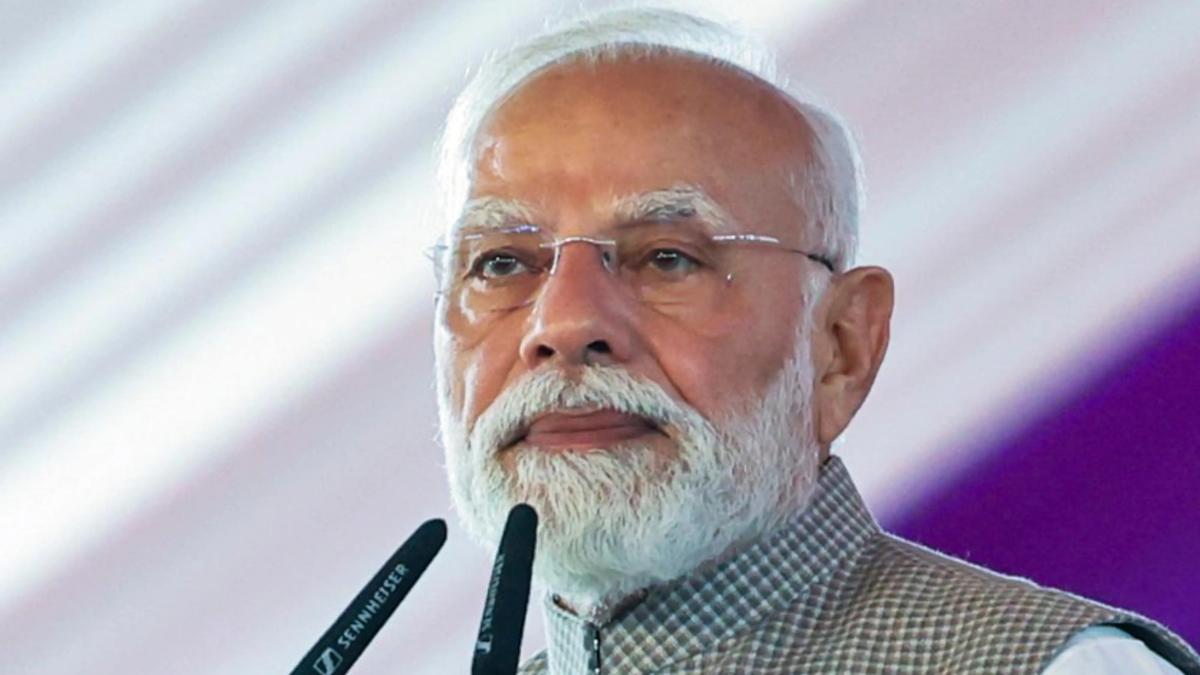
The annual report by the US Commission on International Religious Freedom (USCIRF) has delivered a scathing assessment of India’s religious freedom climate, claiming conditions continued to deteriorate throughout 2023 and early 2024. The report specifically criticizes Prime Minister Narendra Modi and other members of the ruling Bharatiya Janata Party (BJP), accusing them of propagating “hateful rhetoric and disinformation” against Muslims and other religious minorities during the lead-up to this year’s national elections.
According to the commission, such rhetoric has fueled increasing attacks on religious minorities, including vigilante violence, targeted killings, and the demolition of property and places of worship. These incidents allegedly continued even after the conclusion of the elections.
The USCIRF report, considered among its strongest critiques of India to date, further alleges that Indian authorities have exploited stringent legal mechanisms to silence critics. Specifically, it cites the use of the Unlawful Activities Prevention Act (UAPA) and the Foreign Contribution Regulation Act (FCRA) to “crack down on civil society organizations” and detain religious minorities, human rights advocates, and journalists reporting on religious freedom issues.
The panel expressed particular concern about India’s implementation of the 2019 Citizenship Amendment Act (CAA), which was officially notified in March. The report claims this legislation, combined with the National Register of Citizens (NRC) requirement for residents to prove citizenship, has generated significant fear among Muslim communities who worry they could be stripped of their citizenship status.
“Several individuals remained in detention under the UAPA for peacefully protesting the CAA in 2019,” the report states, naming activists Umar Khalid, Meeran Haider, and Sharjeel Imam as examples. It also references a July incident in Assam where Foreigners’ Tribunals reportedly declared 28 Muslims “non-citizens” and sent them to deportation centers.
Property demolitions emerged as another significant concern in the commission’s findings. The report alleges various authorities, including the Delhi Development Authority, participated in the demolition of worship places, including mosques. It specifically highlighted Prime Minister Modi’s January consecration of the Ram Temple in Ayodhya, built on the site of the Babri Masjid that was demolished by a Hindu mob in 1992. According to the commission, this event was followed by attacks against religious minorities across six states.
The report also alleges violations of Section 295 of India’s Penal Code, which criminalizes the destruction or damage of worship houses, through the bulldozing of Muslim-owned property and mosques deemed “illegal” by authorities. Additionally, it claims state-level anti-conversion laws and regulations on cow slaughter have been wielded discriminatorily against religious minorities.
The USCIRF cites specific incidents from states including Uttar Pradesh and Uttarakhand, referencing detentions of Christians, life imprisonment sentences for alleged forced conversions, and legislation like the Uniform Civil Code Bill that supposedly enables greater scrutiny of interfaith couples.
In a new dimension to its criticism, the report alleges India has expanded “repressive tactics” beyond its borders, particularly targeting Sikh activists. It claims journalists and organizations documenting religious freedom violations in India have faced denial of consular services and surveillance. The report references international reporting and Canadian intelligence allegedly linking Indian intelligence officials to a 2023 assassination attempt on a Sikh activist in New York.
India’s Ministry of External Affairs has consistently rejected USCIRF reports, describing the commission as “a biased organization with a political agenda.” Responding to a previous report, MEA spokesperson Randhir Jaiswal stated that USCIRF “continues to misrepresent facts and peddles a motivated narrative about India,” urging the commission to “desist from such agenda-driven efforts” and focus instead on addressing human rights issues in the United States.
The strongly worded report comes amid complex India-US relations that continue to balance strategic partnership with occasional points of friction regarding India’s domestic policies and human rights record.
Fact Checker
Verify the accuracy of this article using The Disinformation Commission analysis and real-time sources.

9 Comments
As an observer of the mining and energy sectors, I don’t have firsthand knowledge of India’s religious freedom issues. However, the USCIRF report paints a concerning picture that merits close attention. I hope the Indian government investigates these allegations thoroughly and takes steps to protect the rights of all citizens, regardless of faith.
I agree. Even though this issue may not be directly related to mining and commodities, it’s important to stay informed on broader geopolitical developments that could have wider implications. Upholding fundamental freedoms should be a priority for all nations.
This is a concerning report on the deteriorating religious freedom in India. It’s troubling to see allegations of hateful rhetoric and disinformation against minorities fueling attacks. The use of legal mechanisms to silence critics is also worrying. I hope this issue is thoroughly investigated and addressed.
I agree, the report paints a very disturbing picture. It’s critical that the Indian government takes concrete steps to protect the rights and safety of all religious minorities.
While I’m wary of accusations of religious intolerance, this USCIRF report does seem to raise valid concerns that warrant further scrutiny. The alleged targeting of minorities and suppression of dissent are troubling, if true. Robust and impartial investigation is needed to get to the bottom of this.
You make a fair point. These are serious allegations that require a thorough, unbiased assessment to determine the facts and appropriate response. Maintaining religious harmony and upholding fundamental freedoms should be top priorities.
This is a serious report that raises troubling allegations about the Indian government’s treatment of religious minorities. While I don’t have expertise in this area, the details provided are concerning and warrant a thorough, impartial investigation. I hope the Indian authorities address these issues constructively and transparently.
As someone with an interest in mining and energy, I don’t have direct expertise on India’s religious freedom issues. However, the details in this report, if accurate, are deeply concerning. I hope the Indian government takes these findings seriously and works to address any systemic problems identified.
This is a complex geopolitical issue that extends beyond just mining and commodities. While I can’t speak to the specifics, the alleged targeting of religious minorities and suppression of dissent are very troubling. I hope the international community closely monitors the situation and presses for accountability.