


Listen to the article
In a troubling development for press freedom advocates, Turkish authorities have once again drawn international criticism for their application of the country’s controversial disinformation law following the arrest of local journalist Mehmet Yetim.
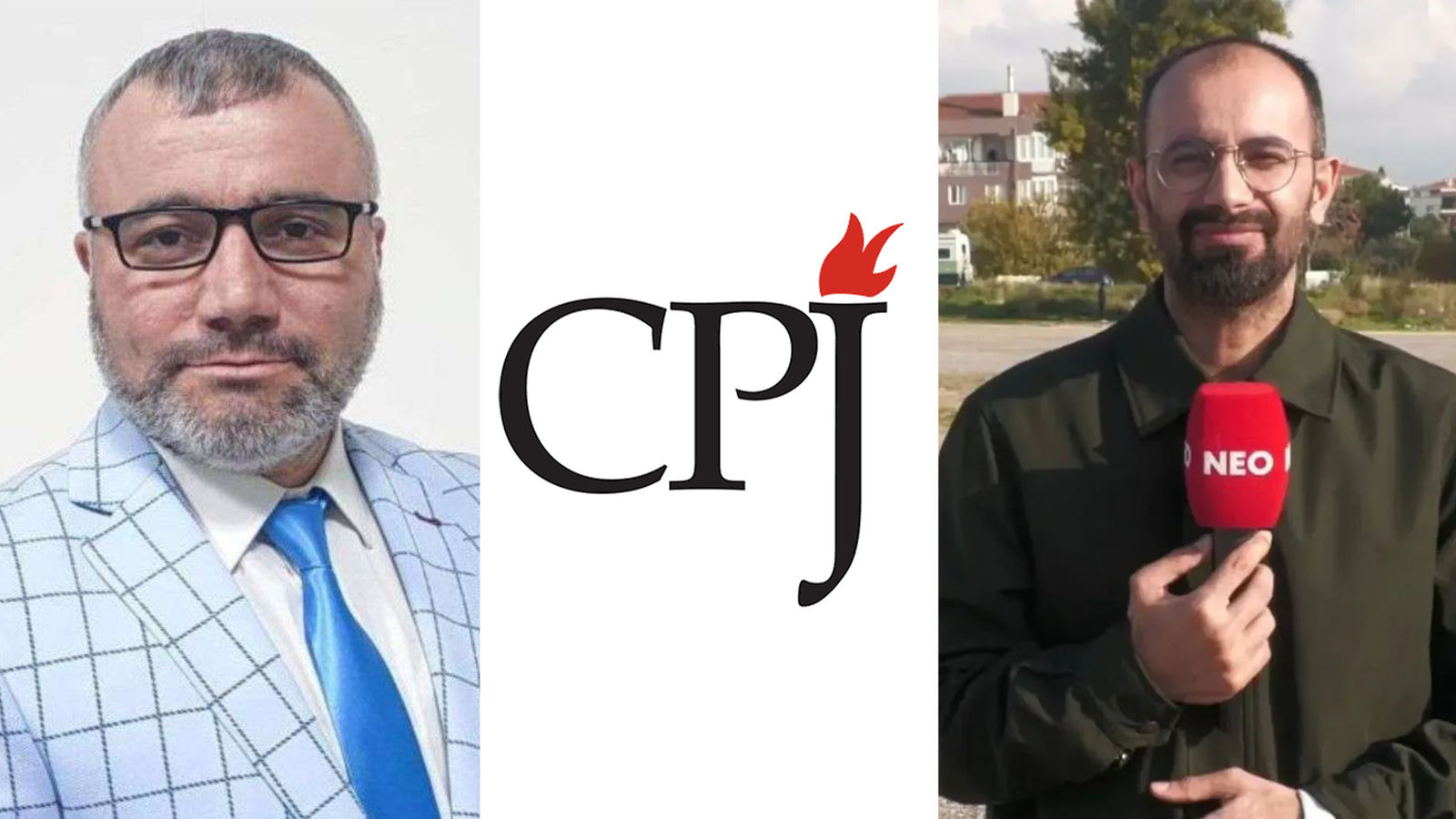
Yetim, who serves as editor-in-chief of local broadcaster Kulis TV, was detained during a dawn raid on April 18 in Turkey’s southeastern Şanlıurfa province. The journalist was formally arrested the following day on charges of “publicly spreading disinformation,” according to reports from Turkish Minute.
The Committee to Protect Journalists (CPJ) has issued a strong rebuke of Turkish authorities, calling for Yetim’s immediate release and an end to what they describe as “improper and excessive use” of the country’s disinformation legislation to target media professionals.
The case centers on a social media post Yetim made about an incident at Dumlupınar Middle School in Şanlıurfa, where an assailant reportedly entered with a knife. In his initial reporting, Yetim stated that a parent had attacked a teacher and that a deputy principal had been injured.
After learning that no injuries had occurred, Yetim deleted the post and published a correction. Despite this prompt action, screenshots of the original post continued to circulate online, ultimately leading to his arrest.
The incident occurred against a backdrop of heightened public concern following recent school violence in the region, including a shooting at another Şanlıurfa school that left 16 people injured and a separate deadly attack in neighboring Kahramanmaraş province.
Özgür Öğret, CPJ’s Turkey representative, emphasized the problematic application of the law. “Turkey keeps arresting journalists over claims of spreading disinformation, which, even if they were true, wouldn’t be considered a crime unless they caused concern, fear, or panic among the public,” Öğret said. “Journalist Mehmet Yetim, who corrected his faulty reporting, didn’t cause any of those things.”
Yetim’s lawyer, İbrahim Halil Aydın, has appealed the arrest. He noted that even if convicted with the maximum three-year sentence, Yetim would likely avoid imprisonment due to parole provisions for first-time offenders.
In his statement to prosecutors, Yetim explained that he had shared information circulating online and had no intention of misleading the public. He emphasized his prompt action to correct the record once accurate details became available.
This is not an isolated incident. Another journalist, Turgay Kılıç, was briefly detained on April 17 over social media posts related to the same school attacks. According to the soL Haber news website, Kılıç was later released under judicial supervision after maintaining that his posts were made in his capacity as a journalist.
The Journalists’ Union of Turkey has voiced concern about these cases, particularly highlighting Article 217/A of the Turkish Penal Code — commonly referred to as the disinformation law — as an ongoing threat to press freedom and freedom of expression in the country.
The legislation, introduced in late 2022, imposes prison sentences of one to three years for those convicted of spreading false information in a manner that generates public concern, fear, or panic. Although government officials initially promised the law would not target journalists, press freedom organizations report it has become one of the most frequently employed legal mechanisms against media workers.
These developments occur in a country already under international scrutiny for its press freedom record. According to the Expression Interrupted platform, 27 journalists are currently imprisoned in Turkey. The country ranks 159th out of 180 nations in the 2025 World Press Freedom Index published by Reporters Without Borders (RSF).
The CPJ reports that it attempted to contact the Şanlıurfa Chief Public Prosecutor’s Office regarding Yetim’s case but received no response.
The arrest has sparked criticism from opposition politicians and press freedom organizations, who characterize it as part of a broader campaign to intimidate journalists and restrict independent reporting in Turkey.
Fact Checker
Verify the accuracy of this article using The Disinformation Commission analysis and real-time sources.

9 Comments
I’m troubled to see this happening in Turkey. Journalists must be able to report the news without fear of arrest or legal retaliation, even if initial reports contain minor inaccuracies. The authorities’ actions here seem heavy-handed and an abuse of power.
I agree. Prompt corrections and clarifications should be the appropriate response, not criminal charges. This sets a dangerous precedent that could chill reporting on important issues.
It’s deeply concerning to see Turkey cracking down on journalists like this under the guise of combating disinformation. Fact-checking and corrections should be the focus, not arrests and prosecutions. This threatens press freedom and the public’s right to information.
This is a disturbing development. Journalists must be able to do their jobs without fear of legal repercussions, even if initial reports contain minor errors. Turkey should immediately release Mehmet Yetim and end the misuse of disinformation laws to target the media.
This is deeply concerning. The use of disinformation laws to target and silence critical journalists is a disturbing trend, and it undermines press freedom. Turkey should immediately release Mehmet Yetim and halt the improper application of these laws.
This is a worrying development for press freedom in Turkey. Journalists should not face arrest and prosecution for reporting, even if their initial accounts contain small inaccuracies. Turkey must immediately release Mehmet Yetim and end the misuse of disinformation laws to target the media.
I’m troubled to see Turkey using its disinformation laws to target and arrest journalists like Mehmet Yetim. This sets a dangerous precedent that could undermine press freedom and the public’s access to information, even if initial reports contain small inaccuracies.
The arrest of Mehmet Yetim is extremely concerning. Journalists must be able to report the news without fear of legal retaliation, even if their initial reports contain minor errors. Turkey should immediately release Yetim and halt the improper application of disinformation laws.
I agree completely. Fact-checking and corrections should be the proper response, not criminal charges. This threatens the ability of journalists to do their jobs and inform the public, which is essential for a healthy democracy.