


Listen to the article
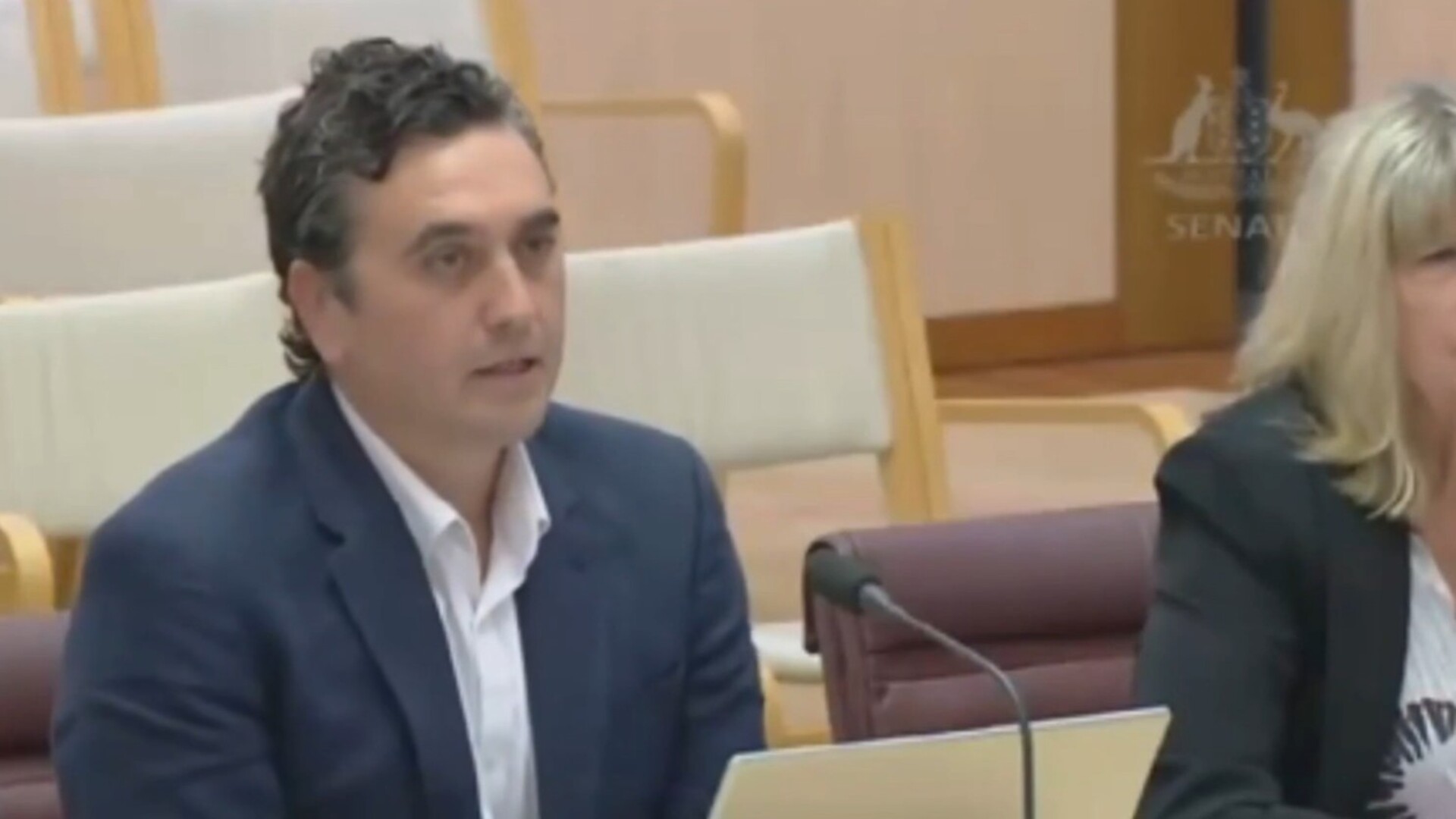
Senate hearings have begun into what lawmakers are calling “climate misinformation,” marking a significant escalation in Australia’s ongoing debate over climate policy and free speech, Sky News host Peta Credlin reported yesterday.
The Senate inquiry, established by the Greens with support from the Labor government, aims to investigate alleged misinformation regarding climate change across various platforms, including traditional and social media.
The hearings come amid growing concerns about the polarization of climate discussions in Australia, a country where resource extraction remains a cornerstone of the economy despite increasing pressure to transition to renewable energy sources.
Senator Sarah Hanson-Young, who chairs the committee, described the inquiry as necessary to “protect public discourse from deliberate attempts to mislead.” However, critics, including several opposition senators, have characterized the investigation as an attempt to silence legitimate debate on climate policies and their economic impacts.
The inquiry’s terms of reference include examining how misinformation spreads across media platforms, identifying key sources and actors behind climate-related content, and considering potential regulatory responses. The committee is expected to issue recommendations that could influence future legislation regarding media content standards.
During the first day of hearings, representatives from environmental organizations presented evidence of what they described as coordinated campaigns to undermine climate science. The Australian Conservation Foundation submitted analysis showing a significant increase in climate skepticism on social media platforms following major climate policy announcements.
“What we’re seeing is not organic skepticism, but organized efforts to create confusion at precisely the moments when public understanding is most crucial,” said Dr. Eleanor Richards, the foundation’s research director, in her testimony.
Industry representatives, meanwhile, argued that the inquiry risks conflating genuine policy disagreements with misinformation. The Business Council of Australia cautioned against measures that could stifle economic analysis of climate transition costs.
“There’s a fundamental difference between questioning the pace or method of decarbonization and denying climate science outright,” said Michael Thornton, the Council’s policy director. “This distinction appears to be deliberately blurred in the framing of this inquiry.”
The hearings have already sparked intense public debate, with #ClimateInquiry trending on Australian social media platforms. Digital rights groups have expressed concern that recommendations could lead to overly broad content restrictions, while climate scientists have largely welcomed the scrutiny of what many describe as a challenging information environment.
Professor Amanda Chen from the University of Melbourne’s Climate Change Research Centre noted that Australia’s position as one of the world’s largest fossil fuel exporters creates a unique context for climate communications. “The economic stakes are exceptionally high here, which intensifies both the messaging and the resistance to climate action,” she explained in an interview following her testimony.
The inquiry comes at a pivotal moment for Australia’s climate politics. The Albanese government has committed to more ambitious emission reduction targets than its predecessor, pledging a 43 percent cut by 2030 compared to 2005 levels. These targets have faced criticism from both environmental groups, who call them insufficient, and industry associations concerned about implementation costs.
Several international observers are monitoring the proceedings closely, as similar debates about the boundaries between free speech and misinformation unfold globally. Representatives from Meta, Google, and other technology platforms are scheduled to appear before the committee in the coming weeks.
The inquiry is expected to continue for several months, with final recommendations due to Parliament by the end of the year. These could potentially include new regulatory frameworks for digital platforms, media code revisions, or educational initiatives.
Whatever the outcome, the hearings represent a significant moment in Australia’s approach to climate communication, potentially setting precedents for how democratic societies balance open debate with scientific consensus on issues of global significance.
Fact Checker
Verify the accuracy of this article using The Disinformation Commission analysis and real-time sources.

20 Comments
Polarization around climate change is a global issue, so it will be interesting to see if this Australian inquiry offers any lessons or models for other countries grappling with similar debates.
While the intent to address misinformation is understandable, the scope of this inquiry raises concerns about potential overreach. Protecting public discourse is important, but not at the expense of stifling legitimate discussion.
Agreed. Maintaining a balance between addressing misinformation and preserving free speech will be critical.
This is a complex issue with valid concerns on both sides. While misinformation can be problematic, silencing legitimate debate on climate policies and their economic impacts would also be concerning. A balanced approach that promotes factual discourse while protecting free speech is needed.
Well said. Striking the right balance between addressing misinformation and preserving free speech will be crucial.
As someone with an interest in the mining and energy sectors, I’ll be following this inquiry closely. The economic impacts of climate policies are a valid concern that shouldn’t be dismissed, even as we work to address misinformation.
Agreed. Balancing environmental and economic priorities is essential for a just and sustainable transition.
The energy transition is a global challenge, and Australia’s resource-based economy adds another layer of complexity. This inquiry could offer valuable insights, but the process will need to be carefully balanced to ensure a diversity of perspectives.
As a concerned citizen, I hope this inquiry can find ways to improve the quality of climate-related discourse without resorting to censorship. Rigorous fact-checking and amplifying diverse, well-informed perspectives may be more constructive approaches.
This is a complex issue with valid concerns on both sides. While misinformation can be problematic, silencing legitimate debate on climate policies and their economic impacts would also be concerning. A balanced approach that promotes factual discourse while protecting free speech is needed.
Agreed, this is a delicate balance. Transparency and open dialogue are crucial, even on sensitive topics like climate change.
I’m curious to see how this Senate inquiry unfolds. Allegations of misinformation are serious, but the potential to stifle important discussions is worrying. Hopefully, the process can find a way to address misinformation without unduly restricting legitimate debate.
While the intent to address misinformation is understandable, the scope of this inquiry raises concerns about potential overreach. Protecting public discourse is important, but not at the expense of stifling legitimate discussion.
Well said. Striking the right balance between addressing misinformation and preserving free speech will be crucial.
As a resource-rich country, Australia faces unique challenges in navigating the energy transition. This inquiry could provide valuable insights, but it will be important to ensure a diversity of perspectives is represented.
Absolutely, balancing environmental concerns with economic realities is no easy task. An inclusive, evidence-based approach is key.
I hope this inquiry can find ways to improve the quality of climate-related discourse without resorting to censorship. Rigorous fact-checking and amplifying diverse, well-informed perspectives may be more constructive approaches.
This is a nuanced issue without easy answers. While misinformation can be harmful, overly restrictive measures could also backfire and further polarize the debate. An approach that promotes critical thinking and informed discourse seems most constructive.
As an Australian, I’m glad to see the government taking steps to address misinformation, but I share concerns about the potential for this inquiry to stifle important discussions. Maintaining transparency and protecting free speech should be top priorities.
Absolutely. Australians deserve a robust, fact-based dialogue on these crucial issues, not just talking points or censorship.