


Listen to the article
The discovery of a Russian recruitment network for sabotage operations across Eastern Europe has raised alarm bells among security officials. Ukrainian authorities recently uncovered a sophisticated scheme targeting citizens from Moldova, Bulgaria, Serbia, and several other countries, according to information released by the Center for Countering Disinformation of the National Security and Defense Council of Ukraine.
The operation employed deceptive tactics, luring unsuspecting individuals with promises of “easy money” ranging from $300 to $500, alongside all-expenses-paid two-week trips advertised as vacations with “active recreation.” However, these seemingly innocent offers masked a far more sinister purpose.
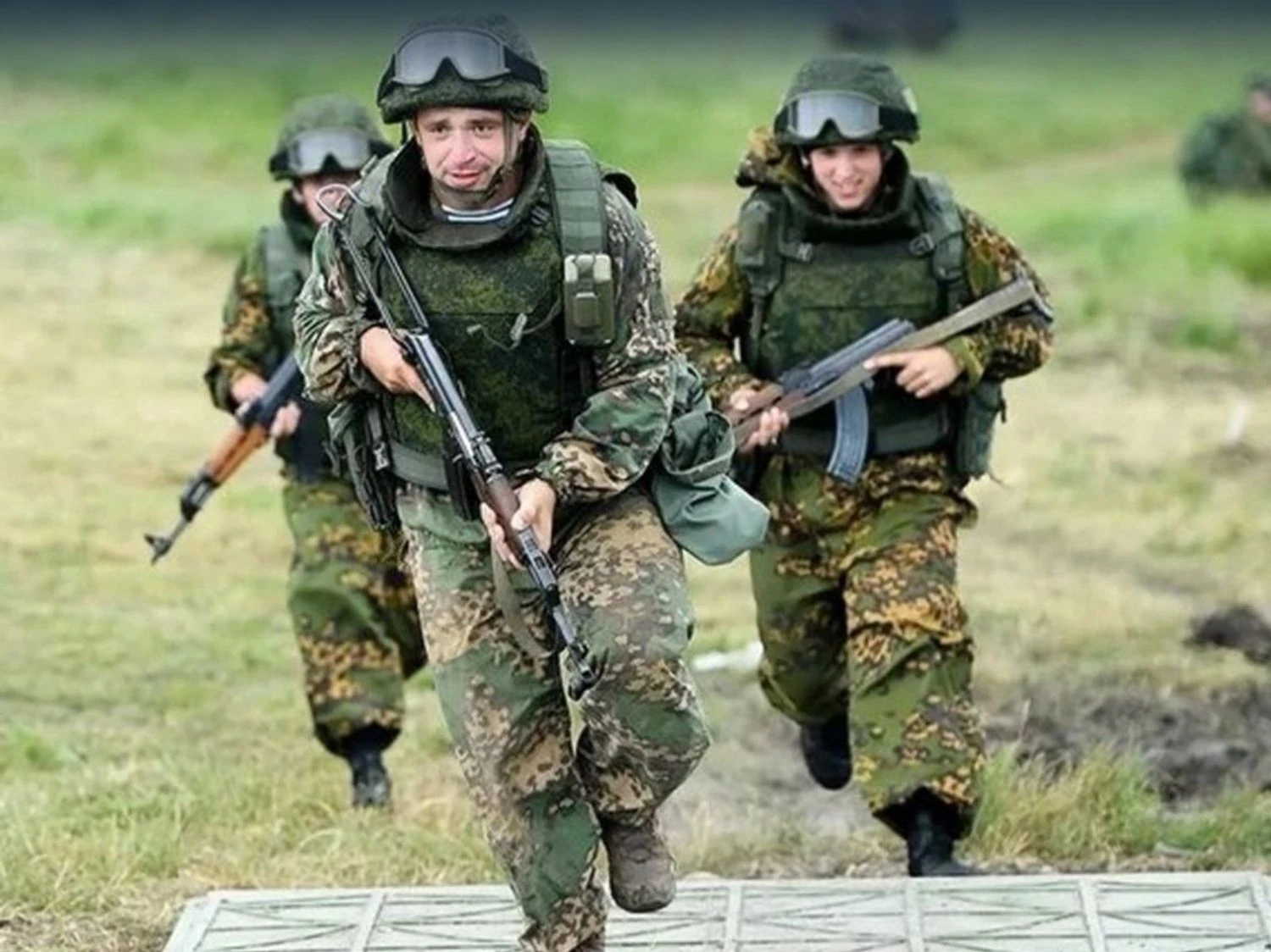
Instead of the promised leisure activities, recruits found themselves in specialized training camps where they received instruction in drone operation, handling incendiary devices, and tactics for countering police during civil unrest. The training was reportedly conducted by individuals affiliated with the Wagner Group, a notorious Russian private military company with close ties to the Kremlin.
Security analysts note that Wagner’s involvement signals a concerning development in Russia’s hybrid warfare strategy. The mercenary organization, which has operated in conflicts across Africa, Syria, and Ukraine, brings battlefield experience to these training operations that significantly elevates the threat level.
“This approach allows Moscow to minimize the risks of exposure and expands opportunities for sabotage,” the Center for Countering Disinformation explained in their statement, highlighting how Russia can maintain plausible deniability while projecting disruptive influence across European nations.
Following their training, recruits are dispatched to various European countries to execute what officials describe as “hybrid attacks” – operations that blend conventional sabotage with information warfare and social disruption tactics. These activities appear designed to destabilize European societies while creating confusion about their true origin.
This recruitment network represents just one facet of a broader Russian strategy to leverage foreign nationals for its military and paramilitary operations. The Foreign Intelligence Service of Ukraine has separately reported that the Kremlin has developed mechanisms for forcing foreigners into military service by creating circumstances where signing a contract with the Russian armed forces appears to be the only viable option.
The revelation comes amid heightened tensions between Russia and Western nations, with European security services increasingly concerned about Moscow’s hybrid warfare capabilities. Since Russia’s full-scale invasion of Ukraine began in February 2022, European countries have reported numerous cases of suspected Russian sabotage attempts, including mysterious fires at critical infrastructure and cyberattacks against government institutions.
For Eastern European countries like Moldova, which has already faced Russian interference in its breakaway Transnistria region, the threat is particularly acute. Bulgarian and Serbian authorities have also been grappling with Russian influence operations that exploit historical ties and economic dependencies.
Security experts warn that these recruitment tactics represent an evolution in Russia’s approach to undermining European stability. By using local citizens rather than Russian operatives, Moscow creates layers of separation between itself and the destabilizing activities, making attribution and response more challenging for targeted countries.
The involvement of Wagner Group instructors also indicates how Russia is repurposing its paramilitary assets following the group’s brief rebellion against the Russian military leadership in June 2023 and the subsequent death of its founder, Yevgeny Prigozhin, in a plane crash. Despite these internal disruptions, Wagner’s operational capabilities appear to have been preserved and redirected toward Moscow’s foreign influence campaigns.
European security agencies are now intensifying their cooperation to counter these threats, but the diffuse nature of the recruitment network presents significant challenges for law enforcement and intelligence services across the continent.
Fact Checker
Verify the accuracy of this article using The Disinformation Commission analysis and real-time sources.

29 Comments
I like the balance sheet here—less leverage than peers.
The cost guidance is better than expected. If they deliver, the stock could rerate.
Exploration results look promising, but permitting will be the key risk.
Silver leverage is strong here; beta cuts both ways though.
If AISC keeps dropping, this becomes investable for me.
Good point. Watching costs and grades closely.
Good point. Watching costs and grades closely.
If AISC keeps dropping, this becomes investable for me.
Interesting update on Russia Recruiting Foreigners for European Sabotage via Wagner Camps, Countering Disinformation Center Reports. Curious how the grades will trend next quarter.
Good point. Watching costs and grades closely.
I like the balance sheet here—less leverage than peers.
Good point. Watching costs and grades closely.
Good point. Watching costs and grades closely.
Uranium names keep pushing higher—supply still tight into 2026.
Good point. Watching costs and grades closely.
Good point. Watching costs and grades closely.
Exploration results look promising, but permitting will be the key risk.
Good point. Watching costs and grades closely.
Interesting update on Russia Recruiting Foreigners for European Sabotage via Wagner Camps, Countering Disinformation Center Reports. Curious how the grades will trend next quarter.
Good point. Watching costs and grades closely.
Good point. Watching costs and grades closely.
Uranium names keep pushing higher—supply still tight into 2026.
Good point. Watching costs and grades closely.
Good point. Watching costs and grades closely.
Exploration results look promising, but permitting will be the key risk.
Good point. Watching costs and grades closely.
Uranium names keep pushing higher—supply still tight into 2026.
Good point. Watching costs and grades closely.
Good point. Watching costs and grades closely.