


Listen to the article
CDD West-Africa Warns Against Misinformation Threats to Democracy, Public Trust
Misinformation, disinformation, and hate speech pose serious threats to governance, public trust and democratic stability, the Centre for Democracy and Development (CDD West-Africa) cautioned on Thursday at an event in Abuja.
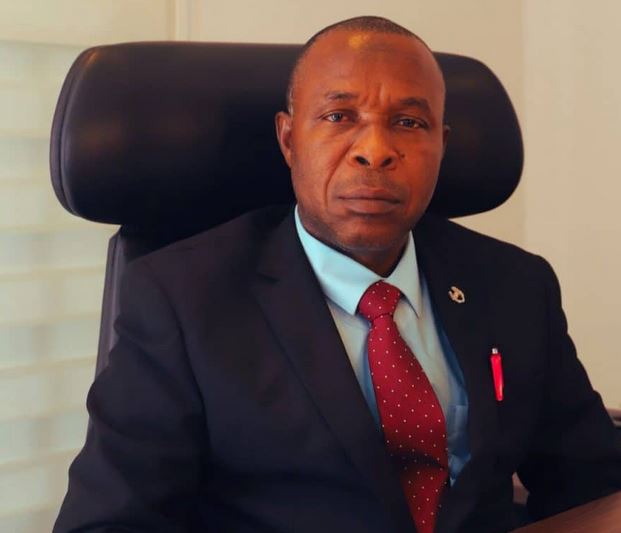
Speaking during a Project Impact Dissemination on Sustaining Information Literacy and Social Cohesion (StILASC) in Nigeria, CDD West-Africa Director Dr. Dauda Garuba emphasized that false information is no longer a peripheral issue but a core challenge undermining national stability.
“The integrity of information ecosystems has become central to achieving democratic governance, human security and inclusive development in the region,” Garuba said at the End-of-Project Phase event. He called for sustained efforts to strengthen information literacy and community-driven approaches to promote social cohesion across Nigeria and West Africa.
Throughout the StILASC project, CDD collaborated with a diverse range of stakeholders including community dialogue committees, civil society groups, security agencies, journalists, women and youth organizations, and persons with disabilities to address misinformation at the grassroots level.
“These structures have shown that when communities are equipped with the right tools, such as information literacy and verification skills, they become powerful actors in countering harmful narratives and safeguarding peace,” Garuba explained. He added that societies where citizens can critically assess information and resist manipulation are better positioned to strengthen accountability and sustain democratic processes.
Dr. Ukoha Ukiwo, Team Leader of the Strengthening Peace and Resilience in Nigeria (SPRiNG) project, revealed that the UK-backed program was initiated in May 2024 specifically to reduce violence in Nigeria. Early findings from stakeholder engagements in the North-West and North-Central zones identified divisive narratives, misinformation, and hate speech as major triggers of violence.
“It is against this fact that the UK Foreign Commonwealth and Development Office felt we needed to leverage the experience and social capital of the Centre for Democracy and Development to implement this intervention,” Ukiwo explained. He emphasized the importance of stakeholder engagement, urging community actors, media practitioners, and government representatives to actively interrogate findings and rely on evidence-based approaches to counter violence.
Pirmah Rimdans, Conflict Adviser and Programme Responsible Owner at SPRiNG, provided further context on the initiative’s conception. “The harmful narratives of misinformation, disinformation, and hate speech do not exist in isolation; they interact with historic grievances, economic pressures, identity politics, and insecurity, and often act as triggers that escalate tensions into violence,” he said.
The project was designed to explore how strengthening information literacy and creating spaces for inclusive dialogue could help communities become more resilient to harmful narratives. Rimdans emphasized that credible information, trust, and dialogue are practical tools for peace-building, particularly in fragile and conflict-affected regions.
“Sustainable peace cannot be achieved if significant segments of the society are excluded, and this initiative was structured with that reality in mind,” he added, noting that SPRiNG remains committed to violence prevention by addressing the root causes of conflicts, strengthening local capacity, and amplifying community-led solutions.
The dissemination meeting also explored opportunities for institutionalizing successful strategies within governance frameworks and replicating them across the region. Participants, including royal fathers, community leaders, youth representatives, and government officials from the implementing states of Kaduna, Katsina, Plateau, and Benue, were encouraged to move beyond reflection and commit to embedding community-led approaches into policy and practice.
As digital platforms continue to expand their reach in Nigeria, the role of information literacy in preventing conflict has become increasingly critical, particularly in regions already experiencing tensions related to resource control, ethnic differences, and security challenges.
Fact Checker
Verify the accuracy of this article using The Disinformation Commission analysis and real-time sources.

13 Comments
Governments and civil society must work together to safeguard the integrity of information ecosystems. Addressing the root causes of misinformation is essential for upholding democratic principles and human security.
Well said. A collaborative, multi-pronged approach is needed to effectively tackle this complex challenge.
Safeguarding the integrity of information ecosystems should be a top priority for governments and civil society. CDD’s warnings about the threats to democracy are well-founded and call for urgent, coordinated action.
Misinformation and hate speech are serious impediments to democratic stability. I commend CDD for their efforts to address these challenges through evidence-based, grassroots-driven interventions.
Misinformation is a pernicious threat that erodes public trust and undermines democratic institutions. Kudos to CDD for spearheading efforts to promote information literacy and social cohesion in West Africa.
I hope their work serves as a model for other regions grappling with similar challenges. Sustained, coordinated action is crucial.
The integrity of information is the foundation of a healthy democracy. CDD’s warning about the risks of misinformation and hate speech is well-founded and highlights the urgent need for robust solutions.
Concerning to hear about the threats of misinformation and hate speech in West Africa. Promoting information literacy and community-driven solutions seems like a prudent strategy to enhance democratic stability and social cohesion.
Absolutely. Building resilience at the grassroots level is key to countering the spread of harmful disinformation.
Addressing misinformation is critical for preserving democratic institutions and public trust. I’m glad to see CDD taking a proactive, multistakeholder approach to strengthen information literacy and social cohesion in the region.
Agreed. False narratives and divisive rhetoric can quickly undermine the foundations of a healthy democracy if left unchecked.
Tackling the root causes of misinformation and disinformation is critical for upholding democratic values and human security. CDD’s project seems like a promising model for other regions to emulate.
Strengthening information literacy and community engagement are smart approaches to counter the spread of harmful narratives. CDD’s multistakeholder initiative is a step in the right direction.