


Listen to the article
In a digital age where information moves at lightning speed, Kenya is facing a critical challenge in maintaining the integrity of its national discourse. The traditional gatekeepers of information—journalists, editors, and broadcasters—have been joined by millions of smartphone-wielding citizens who now possess unprecedented publishing power.
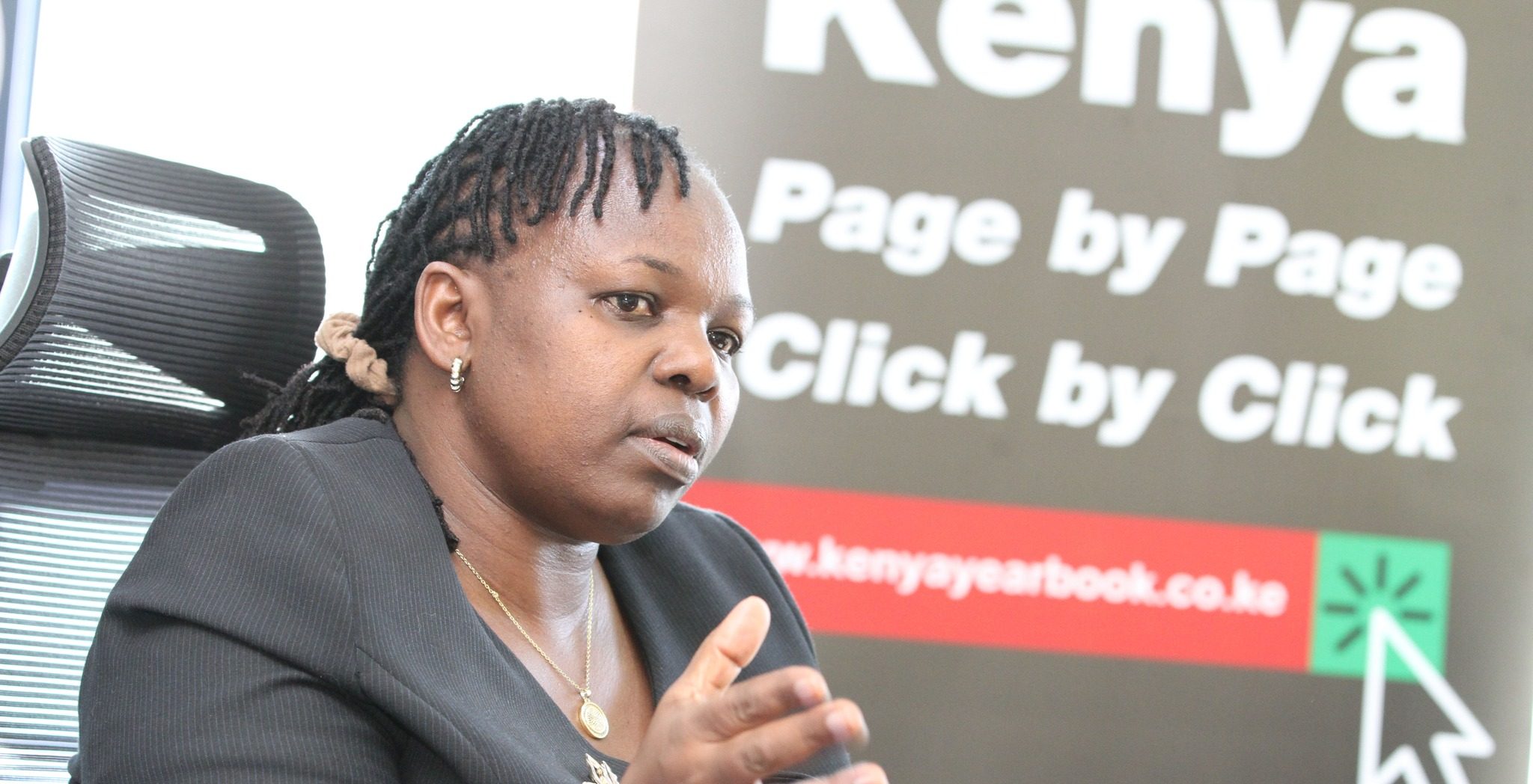
“The most powerful printing press in Kenya is not housed in any industrial area. It is the smartphone in your palm,” says Lilian Kimeto, CEO of the Kenya Yearbook Editorial Board (KYEB). This democratization of publishing has transformed how information spreads throughout the country, creating both opportunities and significant risks.
The distinction between different types of false information has become increasingly important. Misinformation—false content shared without malicious intent—differs from disinformation, which is deliberately created to deceive. Meanwhile, fake news refers specifically to fabricated content designed to mimic legitimate journalism. All three phenomena have proliferated across Kenya’s digital landscape, with disinformation proving particularly damaging due to its intentional nature.
For decades, the KYEB has operated on principles that seem increasingly at odds with today’s digital environment. Before publishing, the organization asks three fundamental questions: Is it true? Is it fair? Does it honor the dignity of the Republic and its people?
“These questions are not bureaucratic delays. They are the foundation of information ethics,” Kimeto emphasizes. This approach stands in stark contrast to digital platforms where algorithms reward speed over accuracy, and the impulse to share often outpaces verification.
Recent events have highlighted the consequences of this information environment. Kenya has witnessed disinformation campaigns about abductions causing widespread panic, manipulated images of political leaders deepening ethnic tensions, and unverified rumors escalating conflicts before facts could emerge.
The KYEB’s role as a custodian of verified information has become more vital than ever. When the organization publishes data on education, healthcare, or infrastructure, that information represents months of rigorous cross-referencing with government ministries, county authorities, and independent sources. Their publications serve as an authoritative national record designed to withstand scrutiny over time.
However, Kimeto acknowledges that accuracy alone is insufficient in today’s media environment. “A fabricated screenshot can reach a million Kenyans before lunch. A viral voice note can outrun months of verified research,” she notes. This reality has prompted the KYEB to expand its mandate beyond documentation to include leadership in promoting information ethics and digital literacy.
The organization is evolving to make verified data more digitally accessible, support public education on information literacy, and contribute to national conversations about ethical communication. This shift reflects their understanding that information ethics is now everyone’s responsibility, not just that of professional journalists.
For individual citizens, the KYEB recommends three key disciplines: verify before sharing, seek context before making judgments, and prioritize dignity before engagement. These simple practices can help stem the tide of misinformation that flows through social media platforms, messaging apps, and other digital channels.
Perhaps most concerning is what Kimeto identifies as the most dangerous actor in Kenya’s information ecosystem: “the well-meaning citizen who forwards misinformation without verification because it confirms what they already believe.” This phenomenon, often called confirmation bias, allows false information to spread rapidly through trusted networks of friends and family.
The stakes for Kenya’s information environment couldn’t be higher. “The difference between a functioning republic and a collapsing one is often just the distance between a rumor and a fact,” Kimeto warns. As trust erodes and public confidence weakens, the foundation of democratic discourse becomes increasingly fragile.
The KYEB is positioning itself not only as a publisher of verified records but as a standard-bearer for information integrity. Their expanded mission includes public education initiatives, improved digital accessibility, and raising awareness about information responsibility.
As Kenya navigates these challenges, Kimeto’s message to citizens is clear: “You are not just a user. You are an editor. You are a publisher.” This shift in perspective places responsibility on every Kenyan who shares information online.
“Let us make every share a page we are not ashamed to read ten years from now,” she concludes. In a nation where smartphones have become the new printing press, this call for collective responsibility may determine whether Kenya’s digital future is defined by truth or deception.
Fact Checker
Verify the accuracy of this article using The Disinformation Commission analysis and real-time sources.

16 Comments
This is a timely and important issue that deserves serious attention. The democratization of publishing power has both benefits and risks that must be carefully navigated. Distinguishing between different types of false information and developing appropriate responses will be crucial.
Agree, a multi-stakeholder approach involving media, tech companies, policymakers, and the public will likely be necessary. Curious to see what specific initiatives and policies Kenya explores to address this challenge.
Maintaining information integrity is a critical challenge in the digital age. The democratization of publishing power has both benefits and risks that must be navigated carefully. Distinguishing between misinformation, disinformation, and fake news is an important step.
Curious to learn more about the specific initiatives and policies Kenya is exploring to address this issue. Strengthening digital literacy and media verification skills could be a good starting point.
Maintaining information integrity in the digital age is a significant challenge. The democratization of publishing power has both benefits and risks that must be carefully balanced. Developing robust frameworks for information ethics and addressing the proliferation of false content will be crucial.
Agree, this is a complex issue that requires a multi-stakeholder approach. I’m interested to learn more about the specific initiatives and policies Kenya is exploring to address this challenge and preserve the integrity of public discourse.
Maintaining information integrity is a critical challenge in the digital age. The rapid spread of misinformation, disinformation, and fake news can have serious consequences for public discourse and decision-making. Developing robust frameworks for information ethics is essential.
Strengthening digital literacy and critical thinking skills among citizens will be key. Collaborative efforts between media, tech platforms, and government to counter the spread of false content could also be impactful.
The democratization of information is a double-edged sword. While it empowers more voices, it also enables the spread of false and misleading content. Developing a shared sense of information ethics is crucial to preserving the integrity of public discourse.
Agreed, this is a complex challenge without easy solutions. I’m curious to learn more about the specific policy interventions and collaborative initiatives Kenya is exploring to address this issue.
The rise of citizen journalism enabled by smartphones is a double-edged sword. While it empowers more voices, it also enables the rapid spread of misinformation, disinformation, and fake news. Developing a shared sense of information ethics is crucial to preserving the integrity of public discourse.
Strengthening digital literacy and critical thinking skills among citizens could be an important part of the solution. Collaborative efforts between media, tech platforms, and government to counter false content may also be impactful.
This is a timely and important issue. The distinction between misinformation, disinformation, and fake news is a critical one that the public needs to understand. Looking forward to seeing what solutions Kenya pioneers to address this challenge.
Strengthening digital literacy and critical thinking skills among citizens could be a key part of the solution. Fact-checking initiatives and collaborative efforts between media, tech, and government may also play a role.
The rise of smartphone-enabled citizen journalism is a double-edged sword. While it empowers more voices, it also enables the rapid spread of false or misleading content. Developing a shared sense of information ethics is crucial to preserving the integrity of national discourse.
I agree, a collaborative approach involving traditional media, tech platforms, and the public will be essential. Curious to see what specific interventions and frameworks the Kenyan authorities are considering.