


Listen to the article
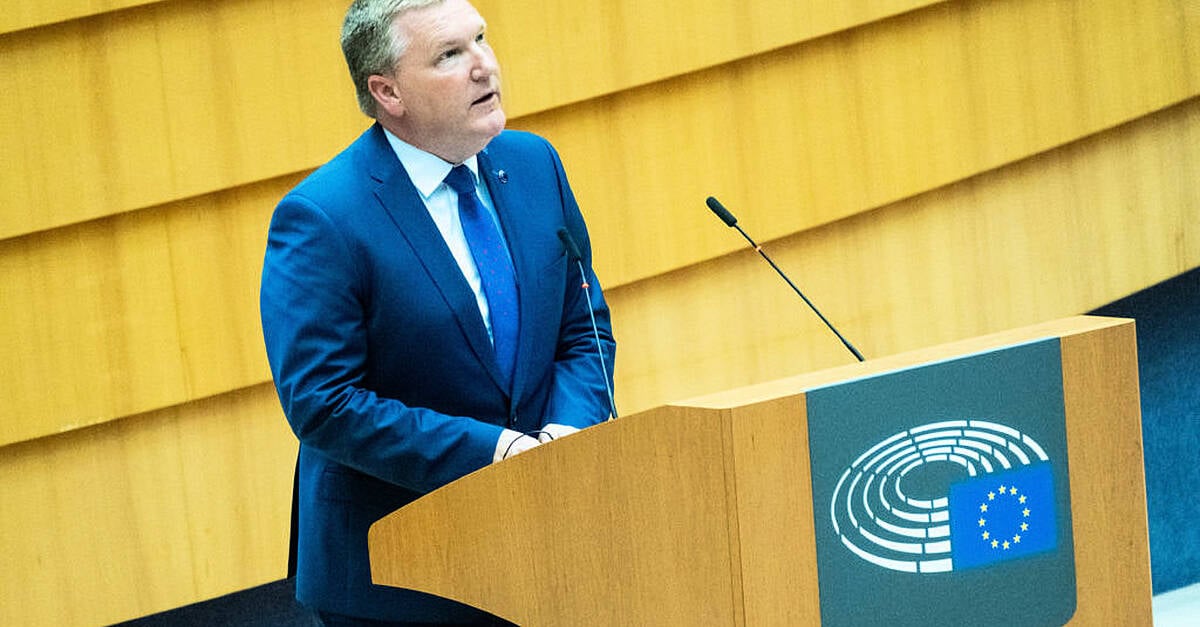
In a move to protect democratic processes across Europe, Irish Commissioner Michael McGrath has unveiled the European Union’s Democracy Shield initiative, a comprehensive strategy designed to combat electoral disinformation and interference, particularly addressing the growing threat of AI-generated deepfakes.
The initiative establishes a new Centre for Democratic Resilience, which will coordinate rapid responses to disinformation campaigns targeting elections within member states. The center aims to serve as a hub for information sharing and resource coordination across the EU’s 27 member nations.
“The Democracy Shield connects the dots, making sure Europe’s tools and actors work together effectively in defence of our shared values,” McGrath stated during Wednesday’s press conference. “The challenge is clear and let us make no mistake, the stakes are indeed very high.”
The commissioner specifically highlighted Russia’s increasingly sophisticated efforts to undermine democratic processes. He described recent Russian attempts to interfere with elections in Moldova as “unprecedented,” noting that such operations have become “much more sophisticated and coordinated and much better resourced.”
Under the new framework, social media platforms will face stricter transparency requirements. When algorithms are used to promote political content, companies must explicitly inform users about this algorithmic amplification—a significant step toward greater transparency in how online information is prioritized and distributed.
McGrath emphasized the particular threat posed by advanced deepfakes, referencing a recent viral video that falsely depicted President Catherine Connolly “withdrawing” from an election. Such sophisticated fabrications represent a growing concern for election integrity as AI technology becomes more accessible and convincing.
The Democracy Shield builds upon the Digital Services Act (DSA), which came into force in 2022 and already requires major tech companies—including Google, Microsoft, Meta, X (formerly Twitter), and TikTok—to take more aggressive action against illegal and harmful content. The new strategy pushes these platforms to extend their efforts even further.
To facilitate rapid responses to large-scale disinformation campaigns, the EU executive is establishing a DSA incidents and crisis protocol. This mechanism will enable coordinated reactions between authorities when facing orchestrated attacks on democratic processes.
Companies that have signed the voluntary Code of Conduct on disinformation—which includes tech giants Google, Microsoft, Meta and TikTok—may soon face enhanced expectations regarding the detection and labeling of AI-generated and manipulated content on their platforms. This represents a crucial step in helping users distinguish authentic content from fabrications in an increasingly complex media environment.
The Commission also addressed the growing influence of social media personalities in shaping political discourse. In response, it plans to establish a voluntary network of influencers to raise awareness about relevant EU regulations governing online political campaigns.
The newly established European Centre for Democratic Resilience will play a central role in the strategy’s implementation by coordinating expertise and resources across member states and facilitating information sharing on emerging threats.
The Democracy Shield comes at a critical time for European democracy, with multiple national elections scheduled across the bloc in the coming year and the European Parliament elections on the horizon. These democratic exercises face unprecedented challenges from both state and non-state actors armed with increasingly sophisticated technological tools designed to manipulate public opinion.
By creating this comprehensive framework, the European Commission aims to protect the integrity of democratic processes across the continent while preserving open political discourse in the digital age.
Fact Checker
Verify the accuracy of this article using The Disinformation Commission analysis and real-time sources.

13 Comments
I’m curious to learn more about the specific tools and capabilities that will be deployed under the Democracy Shield initiative. Transparency around these efforts will build public trust.
It’s concerning to hear about the growing sophistication of Russian interference efforts. This underscores the importance of a coordinated, multinational response.
Curious to see how the Democracy Shield initiative will address the challenge of AI-generated deepfakes. That’s a particularly concerning and rapidly evolving threat.
Kudos to the EU for establishing the Center for Democratic Resilience. Centralizing information sharing and resource coordination is a smart approach.
The Democracy Shield sounds like a positive step, but the real test will be in its effective implementation across the EU. Consistent monitoring and rapid response will be key.
The stakes are indeed high when it comes to safeguarding democracy. I hope the EU’s efforts can stay ahead of the curve and effectively counter disinformation campaigns.
The stakes are indeed high when it comes to safeguarding democracy. I hope the new Center for Democratic Resilience can live up to its mandate and provide robust protection.
Me too. Proactive monitoring and rapid response capabilities will be essential to stay ahead of the disinformation threat.
Combating disinformation is crucial for protecting democratic processes. The EU’s Democracy Shield initiative sounds like a comprehensive effort to address this growing threat across Europe.
Glad to see the EU taking such a strong stance against foreign meddling in elections. Protecting democratic institutions should be a top priority.
Interesting to hear about the specific Russian attempts to interfere in Moldova’s elections. The evolving sophistication of these operations highlights the need for robust countermeasures.
I’m glad to see the EU taking strong action against foreign interference and AI-generated deepfakes targeting elections. Coordinating information sharing and rapid responses will be key.
Agreed. Resilience and collaboration across member states will be critical to effectively defend democratic institutions.