


Listen to the article
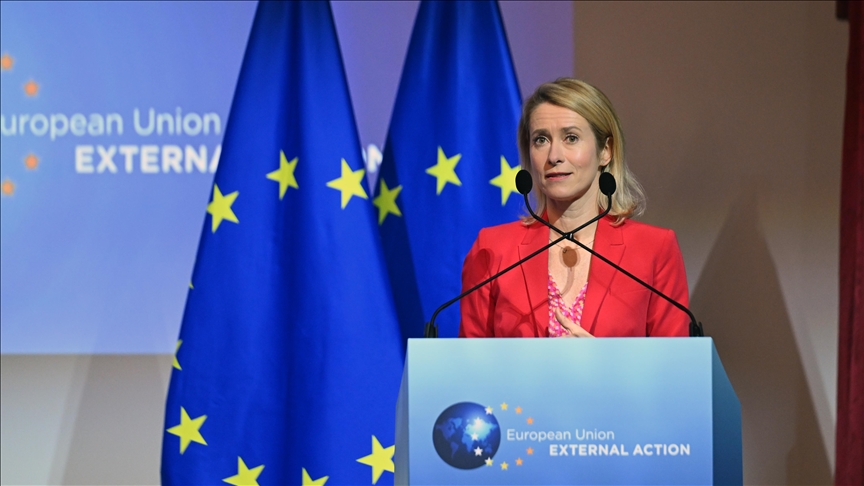
European Union foreign policy chief Josep Borrell issued a stark warning on Tuesday about the growing threat of disinformation to democratic institutions worldwide. Speaking at a conference in Brussels, Borrell described the deliberate spread of false information as “a systematic threat to our democracies” that requires urgent and coordinated responses.
“What we’re witnessing is not simply random misinformation but rather sophisticated campaigns designed to undermine trust in our institutions,” Borrell said. “These attacks target the very foundations of democratic societies – free elections, independent media, and public trust in government.”
The high-ranking EU official highlighted several recent elections across Europe where disinformation campaigns attempted to influence outcomes. Intelligence agencies have identified significant increases in foreign-backed information operations, particularly in the weeks leading up to national votes in France, Germany, and several Eastern European member states.
According to a recent European Commission report cited by Borrell, over 7,000 disinformation campaigns targeting EU institutions were documented in 2023 alone, marking a 35% increase from the previous year. These campaigns frequently originated from both state and non-state actors using increasingly sophisticated artificial intelligence tools to create and disseminate misleading content.
“The technology has evolved dramatically,” Borrell explained. “What once required significant resources now can be accomplished with readily available AI tools. Deepfakes, manipulated videos, and synthetic content are becoming increasingly difficult to distinguish from legitimate information.”
The crisis extends beyond politics. Health-related disinformation during the COVID-19 pandemic demonstrated how false information can directly impact public health outcomes. Similarly, climate change disinformation continues to hinder collective action on environmental challenges, according to experts at the Brussels conference.
Digital platforms bear particular responsibility, Borrell argued. While major social media companies like Meta, X (formerly Twitter), and TikTok have implemented varying content moderation policies, the EU diplomat called for more stringent measures and greater transparency.
“Platform algorithms often prioritize engagement over accuracy, inadvertently amplifying divisive or misleading content,” he said. “We need both regulatory frameworks and corporate responsibility to address these structural issues.”
The European Union has taken several steps to combat disinformation, including the Digital Services Act, which requires large online platforms to assess and mitigate risks related to the dissemination of false information. The European External Action Service also operates a strategic communications division specifically focused on identifying and countering disinformation campaigns.
Media literacy represents another crucial defense, according to Mariya Gabriel, EU Commissioner for Innovation and Youth, who spoke alongside Borrell. “Citizens equipped with critical thinking skills are our first line of defense against manipulation,” Gabriel said. “Educational initiatives that help people evaluate information sources and recognize misleading content must be prioritized across all age groups.”
International cooperation remains essential, with Borrell emphasizing that disinformation transcends borders. “This is not solely a European challenge – it affects democracies globally,” he noted. “We must share intelligence, coordinate responses, and support independent fact-checking organizations worldwide.”
Experts at the conference pointed to the upcoming European Parliament elections in 2024 as a particular concern, with intelligence agencies already detecting early signs of coordinated disinformation activities targeting the EU-wide vote.
Civil society organizations welcomed Borrell’s statements but called for more concrete actions. “Words must be followed by meaningful investment in counter-disinformation infrastructure,” said Helena Martins from the European Democracy Network, a Brussels-based advocacy group. “This includes supporting independent journalism, which continues to face economic challenges across the continent.”
As the conference concluded, Borrell announced plans for a high-level EU task force dedicated to protecting electoral processes from information manipulation, bringing together representatives from member states, technology companies, and civil society organizations.
“The integrity of our information ecosystem is as vital to democracy as free and fair elections,” Borrell said. “Protecting it requires not just government action, but a whole-of-society approach that preserves free expression while combating deliberate manipulation.”
Fact Checker
Verify the accuracy of this article using The Disinformation Commission analysis and real-time sources.

8 Comments
Disinformation is a serious threat to democracy that undermines trust in our institutions. Coordinated responses to combat these sophisticated campaigns are urgently needed across Europe and beyond.
I agree, the scale and coordination of these disinformation efforts is deeply concerning. Protecting free and fair elections should be a top priority.
It’s concerning to hear about the significant increase in disinformation campaigns targeting EU institutions. Combating these threats will be an ongoing challenge for policymakers.
The EU’s efforts to address disinformation campaigns are timely and important. Protecting the integrity of elections is critical for preserving democratic institutions.
Agreed. These sophisticated information operations pose a real threat that requires a coordinated, multi-stakeholder response.
Interesting to see the EU foreign policy chief highlighting the growing threat of disinformation. With over 7,000 campaigns targeting EU institutions last year, it’s clear this is a systemic issue.
Yes, the 35% increase in disinformation campaigns is alarming. Strengthening media literacy and digital safeguards will be crucial to combating this threat to democracy.
Disinformation that undermines public trust in government and independent media is indeed a serious concern. Ensuring transparent, fact-based discourse should be a priority for policymakers.