


Listen to the article
The Canadian Broadcasting Corporation (CBC) is facing sharp criticism over its coverage of humanitarian issues in the Gaza Strip, with observers pointing to a pattern of one-sided reporting across the network’s programming.
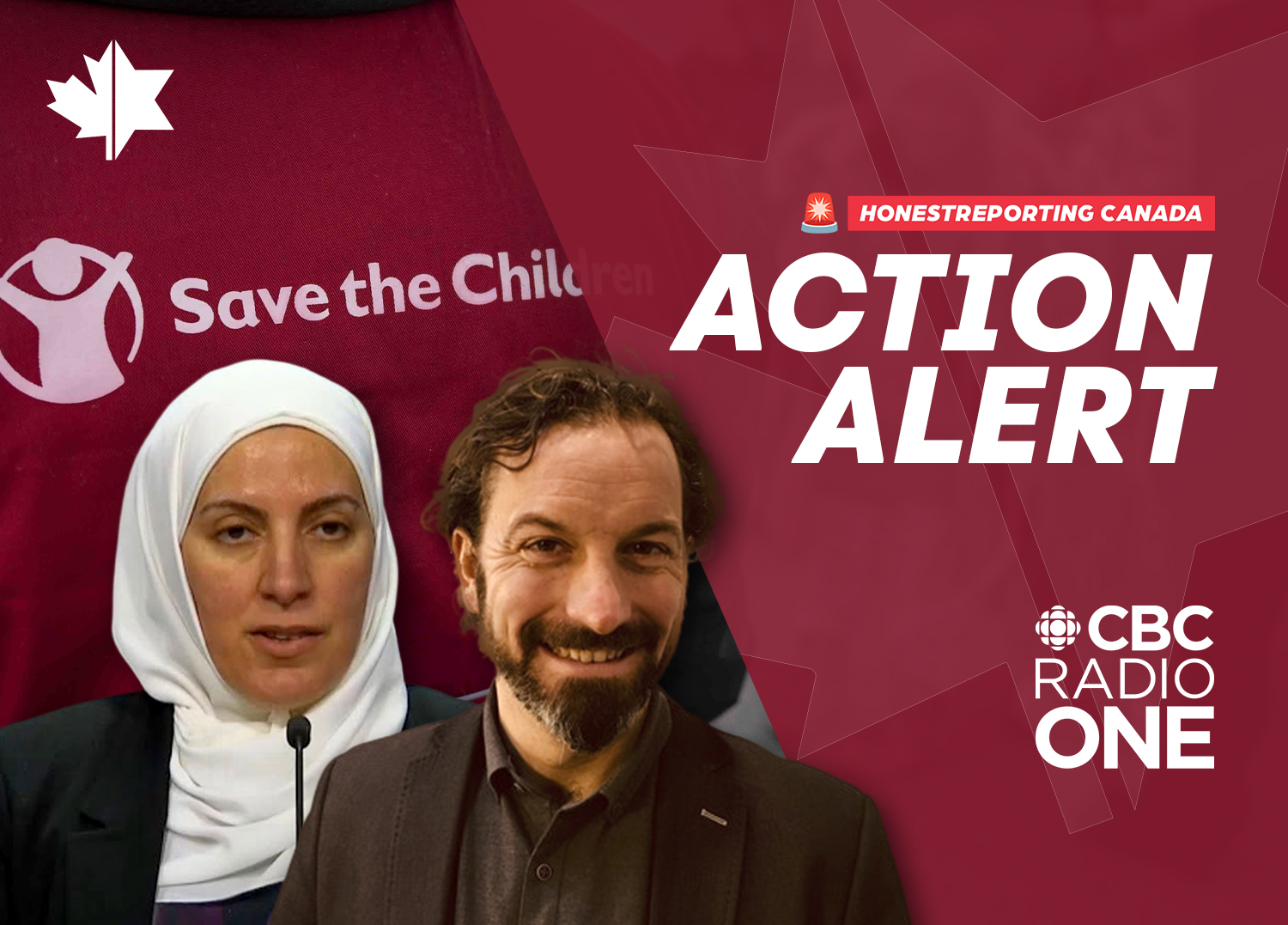
Media watchdogs have documented nearly 20 separate CBC radio programs on February 3 that discussed Israel’s reopening of the Rafah crossing between Gaza and Egypt. Notably, these segments featured only two guests – Patrick Robitaille and Roula Kikhia, both from Save the Children Canada – raising questions about the broadcaster’s commitment to balanced journalism.
Critics note that both Robitaille and Kikhia presented similar narratives across multiple interviews, with hosts across regional stations asking nearly identical questions and offering little pushback on controversial claims. Both representatives are based in Canada – thousands of kilometers from Gaza – yet were positioned as authoritative voices on conditions within the territory.
“Despite CBC’s repeated promises to the public that the taxpayer-funded broadcaster upholds journalistic standards like fairness and balance, evidence continues to pour in showing precisely the opposite,” noted one media observer who documented the segments.
The interviews consistently characterized the humanitarian situation in Gaza as dire, with Robitaille claiming in one segment that the aid entering Gaza was “wildly insufficient” despite reports indicating substantial daily aid deliveries. In another interview, Kikhia stated that “food is scarce,” a claim disputed by footage showing operational markets and food availability in parts of Gaza.
Media analysts point out that none of the CBC hosts mentioned Save the Children Canada’s history of activism regarding Israel, potentially important context for listeners. When Robitaille described Israeli security measures as “arbitrary,” hosts did not present Israel’s security concerns about weapons smuggling into Gaza through crossing points.
Several instances highlighted by critics show hosts actively reinforcing narratives rather than maintaining journalistic distance. On CBC’s “On the Island” program, the host referenced “desperate people” in Gaza and framed questions about whether individuals would “survive or not.” In Kelowna, a host was documented making editorial comments about former U.S. President Donald Trump’s vision for Gaza.
When discussing damaged medical facilities in Gaza, interviews consistently omitted context about Israeli military claims that Palestinian militants have used hospitals and medical infrastructure for military purposes – a significant element of the conflict narrative regardless of one’s perspective.
The programming pattern extended from major urban centers to remote locations, with identical talking points repeated on stations from Inuvik in the Northwest Territories to Happy Valley-Goose Bay in Labrador.
The controversy touches on broader questions about CBC’s mandate as Canada’s public broadcaster. Critics argue that as a taxpayer-funded institution, CBC has a particular responsibility to present diverse perspectives on contentious international issues. Media ethics experts note that even when covering humanitarian crises, journalistic standards require providing full context and challenging assertions from all sources.
CBC has long maintained that it adheres to rigorous journalistic standards including fairness, balance, and accuracy. The network’s journalistic policies explicitly state a commitment to providing Canadians with information from multiple perspectives to help them form their own opinions on important issues.
This scrutiny comes amid intensified debate about media coverage of the Israel-Hamas conflict, with journalism watchdogs across the political spectrum monitoring how news organizations frame the complex humanitarian and security dimensions of the ongoing crisis.
As of publication, CBC has not issued a formal response to these specific criticisms regarding its Gaza coverage.
Fact Checker
Verify the accuracy of this article using The Disinformation Commission analysis and real-time sources.

24 Comments
Exploration results look promising, but permitting will be the key risk.
Good point. Watching costs and grades closely.
I like the balance sheet here—less leverage than peers.
Good point. Watching costs and grades closely.
Good point. Watching costs and grades closely.
If AISC keeps dropping, this becomes investable for me.
Good point. Watching costs and grades closely.
Good point. Watching costs and grades closely.
I like the balance sheet here—less leverage than peers.
Uranium names keep pushing higher—supply still tight into 2026.
Good point. Watching costs and grades closely.
Good point. Watching costs and grades closely.
The cost guidance is better than expected. If they deliver, the stock could rerate.
Good point. Watching costs and grades closely.
Silver leverage is strong here; beta cuts both ways though.
Good point. Watching costs and grades closely.
Good point. Watching costs and grades closely.
Interesting update on CBC Features 17 Unchallenged Interviews with Save The Children Representatives Amid Israel Controversy. Curious how the grades will trend next quarter.
Good point. Watching costs and grades closely.
Good point. Watching costs and grades closely.
Interesting update on CBC Features 17 Unchallenged Interviews with Save The Children Representatives Amid Israel Controversy. Curious how the grades will trend next quarter.
Interesting update on CBC Features 17 Unchallenged Interviews with Save The Children Representatives Amid Israel Controversy. Curious how the grades will trend next quarter.
Silver leverage is strong here; beta cuts both ways though.
Good point. Watching costs and grades closely.