


Listen to the article
Alberta Vulnerable to Foreign Interference in Potential Separation Referendum
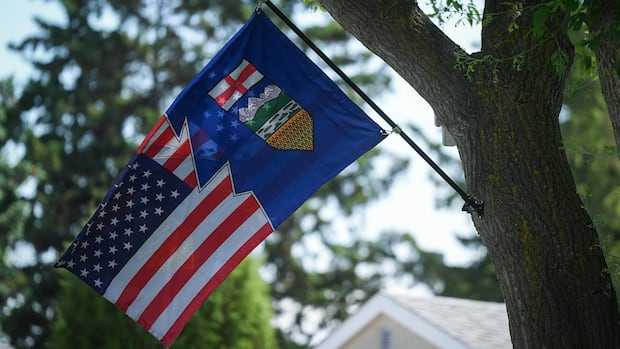
Alberta faces significant risks from foreign interference in a potential referendum on separation this fall, with experts warning the province is woefully unprepared to counter such threats.
“Alberta is excessively vulnerable to American interference,” said Jean-Christophe Boucher, a political science professor at the University of Calgary who specializes in foreign interference research. “If there were a referendum in Alberta, there would be no one within the Alberta government who could analyze and collect data to ensure that the conversation about the referendum is not being manipulated by foreign actors.”
This concern is echoed by Patrick Lennox, a former RCMP intelligence director turned security consultant, who described Alberta as “almost completely unready” to address these challenges. “There is no capacity whatsoever to push back against that form of misinformation and disinformation that’s going to happen,” Lennox warned.
According to these experts, interference efforts may already be underway. Lennox noted that evidence of foreign-constructed misinformation is already “percolating online” in various formats including memes, written posts, songs, and infographics.
“These are narratives being constructed from outside of the organic Alberta domestic political process and imported to influence the discourse and outcome of the political process,” Lennox explained.
Beyond creating content, foreign actors might employ sophisticated tactics such as creating numerous fake accounts or deploying bots to amplify pro-independence messaging, creating an artificial impression of widespread support for separation.
The provincial infrastructure to combat such interference appears inadequate. Two organizations—Elections Alberta and the Provincial Security and Intelligence Office (PSIO)—are tasked with preventing foreign interference, but both have significant limitations.
Elections Alberta spokesperson Robyn Bell acknowledged the agency’s restricted authority, stating they have “no mandate or substantive jurisdiction to combat election misinformation or disinformation” beyond a single provision regarding false statements about candidates.
The PSIO, operating under the provincial Ministry of Public Safety, employs just 16 staff members dedicated to security and intelligence analysis. While the ministry claims the agency “continues to monitor the overall threat environment in coordination with its national security partners,” it provided no details on specific countermeasures for referendum-related interference.
Premier Danielle Smith addressed these concerns at a press conference in Lethbridge on Monday, stating she takes the threat “very seriously.” She cited the addition of citizenship markers to driver’s licenses as a preventive measure and promised additional action if interference is detected.
Federal agencies including Global Affairs Canada, CSIS, and the RCMP also have capabilities to monitor foreign interference, though none have confirmed targeting of the Alberta independence movement specifically.
Lennox expressed skepticism about the effectiveness of relying on federal agencies during a referendum campaign. “The chances of somebody being investigated, arrested, and charged during the period of a referendum campaign is zero,” he said. “If we’re relying on the RCMP to save us from foreign interference during a provincial referendum, it’s not gonna happen.”
While traditional concerns about foreign interference have centered on countries like Russia and China, experts now view the United States as a significant potential source of interference in Alberta’s affairs.
“In my opinion, it is clear that there will be foreign interference from American actors, either from the administration directly or from actors close to the Trump administration,” Boucher stated.
The organizers of the Stay Free Alberta petition, who are gathering signatures to force a referendum on Alberta’s future within Canada, have reportedly made multiple visits to Washington, D.C., claiming to have met with U.S. administration officials. Earlier this year, U.S. Treasury Secretary Scott Bessent publicly commented on Alberta’s independence movement.
Boucher warned that American interference could potentially delegitimize referendum results. “If there are fairly clear indications of significant interference from the Trump administration, and it turns out that Albertans voted yes to separation from Canada, then clearly, what will happen next is that many actors will begin to question the legitimacy of that process.”
As the potential referendum approaches, the province’s vulnerability to external manipulation raises serious questions about democratic integrity and the validity of any forthcoming vote on Alberta’s constitutional future.
Fact Checker
Verify the accuracy of this article using The Disinformation Commission analysis and real-time sources.

12 Comments
The experts raise valid points about Alberta’s lack of readiness to tackle foreign interference. Given the high stakes involved, this issue deserves immediate attention and action from the provincial government.
Absolutely. Alberta cannot afford to be complacent on this matter. Proactive measures are needed to protect the democratic process from malicious outside influence.
This is a concerning situation. Alberta’s vulnerability to foreign interference is alarming, especially with a potential referendum on the horizon. Robust safeguards and preparedness are essential to protect the integrity of the democratic process.
I agree, the lack of capacity to counter disinformation is worrying. Alberta must urgently address this gap to ensure a fair and transparent referendum, if one occurs.
It’s troubling to hear that foreign-constructed misinformation is already circulating online regarding Alberta. This underscores the need for robust digital literacy campaigns and fact-checking initiatives to empower citizens.
Agreed. Equipping Albertans with the tools to identify and resist disinformation should be a top priority for the government and civil society.
The experts’ warnings about Alberta’s vulnerability to foreign interference are a wake-up call. Strengthening cybersecurity, information-sharing, and cross-border cooperation will be crucial to safeguarding the province’s democratic processes.
Well said. Alberta cannot afford to be caught off guard. Proactive, multi-faceted efforts are needed to bolster resilience against these complex threats.
This is a challenging situation with high stakes for Alberta’s future. The experts’ warnings about the province’s vulnerability to foreign interference are deeply concerning and warrant immediate attention from policymakers.
I agree. Alberta cannot afford to be complacent. Decisive steps must be taken to bolster the province’s resilience and safeguard its democratic processes.
The prospect of a separation referendum in Alberta raises serious concerns about potential foreign meddling. Robust electoral safeguards, public awareness campaigns, and international collaboration will be key to protecting the integrity of the vote.
Absolutely. Alberta must take immediate action to shore up its defenses and ensure its citizens are equipped to navigate the information landscape with discernment.