


Listen to the article
International Agreement to Combat Climate Disinformation Signed at UN Conference
Twelve nations took a historic step against climate misinformation on Wednesday by signing the Declaration on Information Integrity on Climate Change at the United Nations climate conference in Brazil. The agreement, the first of its kind at a UN climate summit, aims to safeguard accurate, science-based information about climate change from deliberate distortion and denial.
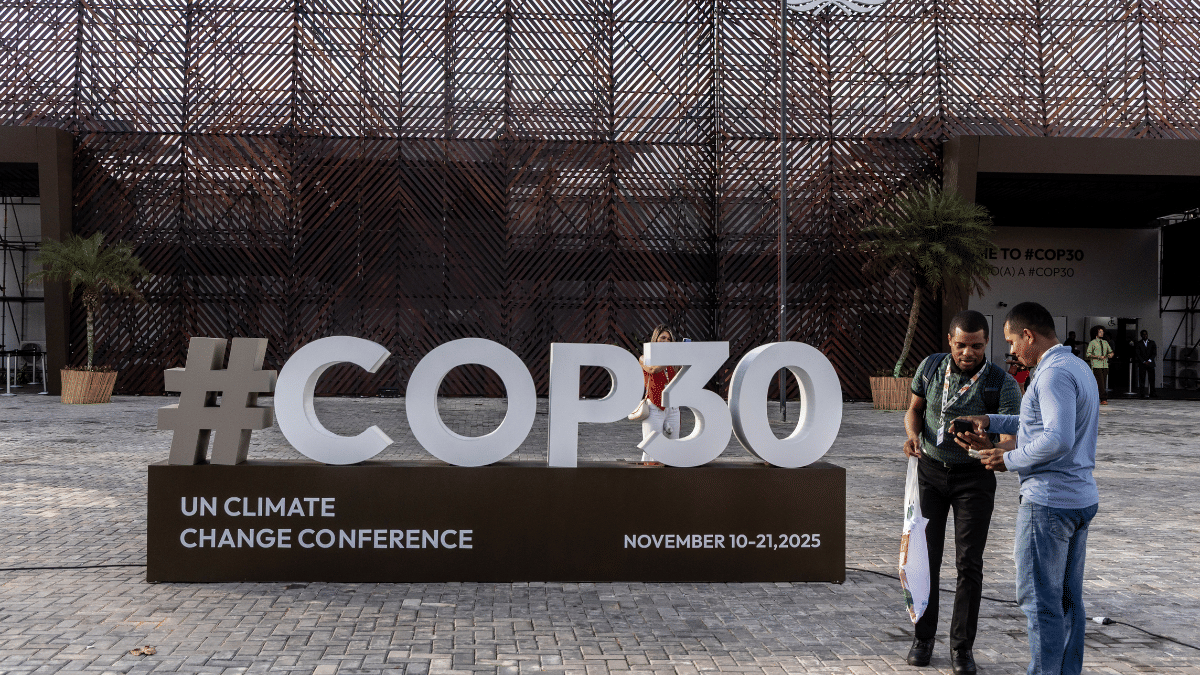
The declaration was unveiled during the 30th Conference of the Parties (COP30) to the UN Framework Convention on Climate Change in Belém, Brazil. Signatories include Brazil, Canada, Chile, Denmark, Finland, France, Germany, Spain, Sweden, Belgium, Netherlands, and Uruguay.
“We are concerned by the growing impact of disinformation, misinformation, denialism, deliberate attacks on environmental journalists, defenders, scientists, researchers and other public voices,” states the declaration, marking a watershed moment in the international response to climate disinformation.
The initiative was launched by the Global Initiative on Information Integrity on Climate Change, a coalition formed in June 2024 by UNESCO, the United Nations, and the Brazilian government. The declaration specifically targets sources of climate disinformation while establishing protections for those who provide legitimate climate information to the public.
The agreement acknowledges that addressing the climate crisis requires coordinated action from multiple stakeholders, including governments, non-governmental organizations, civil society, academic institutions, and media outlets. It emphasizes that mobilizing effective climate action depends on the public having access to “accurate, reliable and evidence-based information” about climate change, including scientific data on extreme weather events, global atmospheric conditions, climate policies, and avenues for public participation in environmental decision-making.
Just days before the declaration was signed, over 300 civil society organizations released an open letter highlighting the role of fossil fuel companies in manipulating climate information. “Vested economic and political interests—chiefly those in the fossil fuel industry—continue to organize and finance disinformation campaigns,” the letter stated.
The letter referenced studies by organizations such as the International Panel on Information Environment, which in 2023 identified fossil fuel companies and certain political parties as primary sources of climate skepticism and disinformation across television and social media platforms. It also cited a 2024 investigation by The Guardian that revealed how Shell, one of the world’s largest oil and gas companies, channeled thousands of dollars to organizations promoting climate denialism.
According to the declaration, effective strategies to combat climate disinformation include supporting robust and independent media ecosystems, fostering international cooperation on information integrity, and encouraging governments to develop legal frameworks aligned with international standards for climate information protection.
Brazilian President Luiz Inácio Lula da Silva, speaking at a press conference on Wednesday, emphasized the urgency of the situation: “Climate change is no longer a threat of the future. We live in an era in which obscurantists reject scientific evidence and attack institutions. It is time to deliver yet another defeat to denialism.”
The timing of this declaration is significant as the world faces increasing climate-related disasters and as scientific consensus on human-caused climate change continues to strengthen. The agreement represents an important recognition that information integrity is essential to effective climate action.
COP30, which began on November 10 and runs through November 21, serves as the world’s premier multilateral decision-making forum on climate change, bringing together all member states of the UN Framework Convention on Climate Change to negotiate global climate policies and actions.
With the United States currently in political transition following its recent election, analysts suggest this may create an opportunity for other nations, particularly China, to take a more prominent leadership role in global climate negotiations during this year’s conference.
Fact Checker
Verify the accuracy of this article using The Disinformation Commission analysis and real-time sources.

16 Comments
I’m curious to see how the signatory countries plan to implement and enforce the terms of this declaration in practice. The details of their approach will be crucial.
Good point. Monitoring, accountability, and clear enforcement mechanisms will be essential for making this agreement meaningful and impactful.
Curbing the impact of deliberate disinformation campaigns is a critical challenge. This declaration could help safeguard the integrity of climate science and policy discussions.
Agreed. Shielding journalists, scientists, and activists from attacks is also an important part of this agreement.
This agreement is a much-needed step in the fight against climate disinformation. Protecting accurate, science-based information is crucial for addressing the climate crisis effectively.
I’m glad to see these countries coming together to combat the spread of climate misinformation. Transparency and fact-based discourse are essential.
The inclusion of countries like Brazil, which has faced significant issues with environmental disinformation, is particularly noteworthy. This agreement could set a precedent for broader global action.
Absolutely. Bringing diverse nations and perspectives together on this issue is crucial for developing effective solutions.
The involvement of UNESCO and the UN lends significant weight to this initiative. Coordinated global action is needed to address the complex problem of climate disinformation.
Absolutely. Multilateral cooperation is key to tackling this issue effectively across borders and jurisdictions.
This declaration sends a strong signal about the international commitment to combating climate disinformation. It’s an important milestone, but continued vigilance and commitment will be needed to make it truly effective.
Agreed. Maintaining momentum and ensuring sustained implementation will be crucial for this agreement to have a lasting impact on the fight against climate misinformation.
While this agreement is a positive development, I wonder about its potential limitations. Will it be able to address the role of social media and online platforms in amplifying climate disinformation?
That’s a valid concern. The digital ecosystem poses unique challenges that will likely require additional targeted measures and collaboration with tech companies.
This is an important step, but the challenge of climate disinformation remains daunting. Sustained, multifaceted efforts will be needed to counter misinformation narratives effectively.
I agree. Disinformation campaigns are persistent and evolving, requiring a comprehensive, long-term strategy to address them.